PLEASE NOTE: MUST BE AGED 18 OR OLDER
The Hwange National Park game census, better known as 'the count', is southern Africa's longest-running wildlife census. The 2023 count was the 54th Annual Stats Pan count in the park. The concept is as simple as it is wonderful and (for some) challenging - to sit by a waterhole, spring, or stretch of river for 24 hours and do nothing but count every mammal that comes to drink. What makes the count truly unique is that the vast majority of folks who take part are ordinary people like you and me. You don't have to be a scientist to participate. However, for researchers based in and around Hwange, the annual census is a goldmine of information, particularly regarding the sightings of rare and endangered wildlife. It takes place in the fall when vegetation is at its lowest, so it is most accessible to see the animals with less brush. It occurs during a full moon to aid in observation at night. Being forced to sit still and record the comings and goings, drinking habits, conditions, species, age range, and sex of every animal wandering brings a new dimension to traditional game viewing.
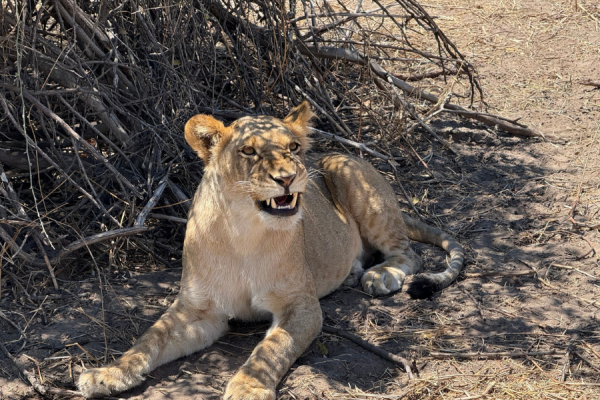
The idea behind a 24hr static pan count is precisely to enable the Zimbabwe Parks and Wildlife Management Authority to get an idea of species distribution throughout the park. There are almost 300 volunteers taking part, almost all of them from Zimbabwe, apart from our Globe Aware group. They are split into 83 teams. Lots of other entities are taking part to make all of this happen, such as SAVE the African Rhino Foundation of Australia and the Hwange Conservation Society UK Bhejane Trust, the Minister of Environment and Climate Change, Hon. Nqabizitha Mangaliso Ndlovu, and the Zimbabwe Parks and Wildlife Management Authority. All entities are working together as well to ensure the Park and its wildlife are provided with much-needed tanks, solar panels, tools, fuel, spare parts and borehole pumps to guarantee the continuity of the most vital element: WATER.
VIEW ZIMBABWE GAME COUNT VIDEOS
The National Park was founded in 1929 and encompassed over 14,000 square kilometres. The north and northwest of the park are drained by the Deka and Lukosi rivers and their tributaries, and the Gwabadzabuya River, a tributary of the Nata River, drains the far south of the park. There are no rivers in the rest of the park, although there are fossil drainage channels in the main camp and Linkwasha areas, which form seasonal wetlands. The water sources from which animals drink are referred to locally as "pans." In these areas without rivers, grassy pan depressions and pans have formed. Some of these pans, such as many of the pans in the Shumba area, fill with rainwater, while others are fed by natural groundwater seeps. Many of the pans are additionally supplied by water pumped from underground boreholes. There is a huge lack of water for which all animals and humans compete, causing conflict. Elephants destroy crops; hippos and lions kill humans walking long distances for water pumps, etc. This project is held to get a count of how many animals are in the park. The idea is that all animals will come to a water source at least once a day. Animal conservations desperately need this data to have a sense for Volunteers are assigned to a watering hole where they are stationed with a vehicle and coordinator. Volunteers must attend several video training sessions (or watch recorded Zooms; we also have them as podcasts, but the visuals are important) before the event and read the materials provided so they know what they are looking for. The money raised each year is administered by Wildlife Environment Zimbabwe to maintain and develop water sources in Hwange National Park.
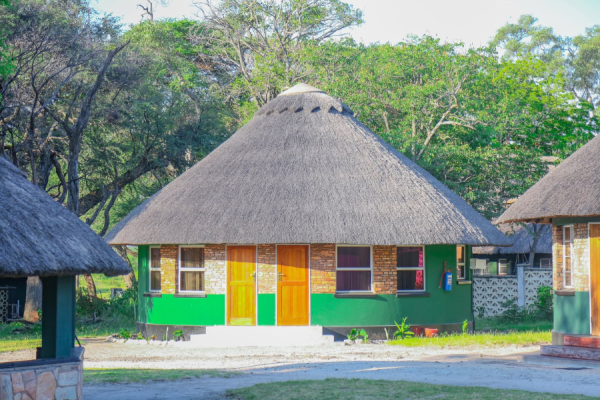
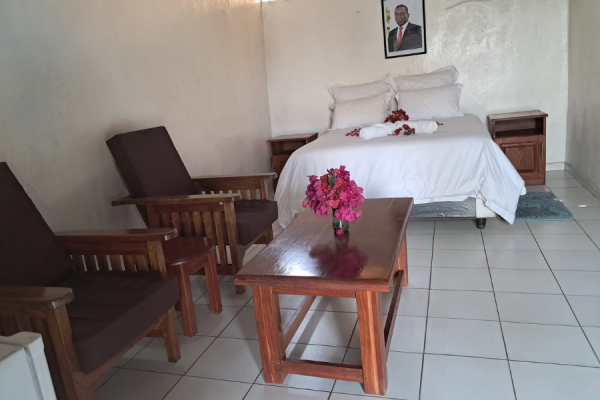
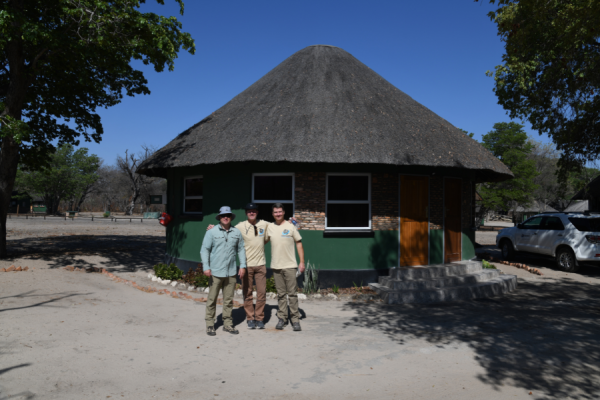
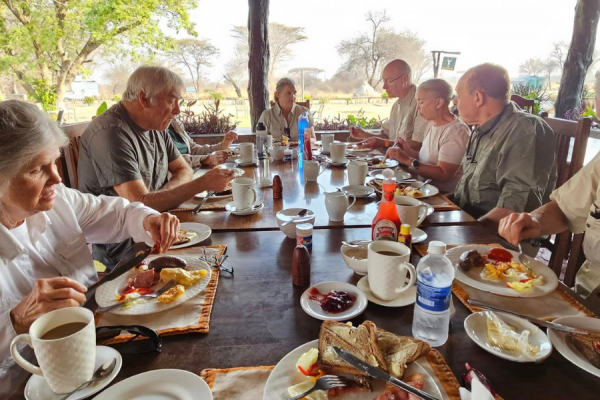
As volunteers, we stay in pretty basic camps offering cottages with bedrooms, showers, a kitchen, and a lounge. This is not a game reserve that has fences.
REGISTER FOR THIS SPECIAL PROGRAM
What is included
Game fees, vehicle fees, fuel, accompanying coordinator, conservation fees, accommodation fee, Land Rover use fee, meals (basic), bottled water, instruction/orientation, celebratory braai. Medical insurance; a few meals will be taken at the VERY simple game lodge, but others will be picnic style when in the field. It's a great time to bring some of your favorite snacks, as there are only very simple offerings. You will be paying a $60 wildlife management fee directly upon arrival, separate from the game and vehicle fees we pay on your behalf.
We will keep couples and friends together. The spaces are filling up quickly. The Wildlife Management organization randomly assigns us our watering hole.
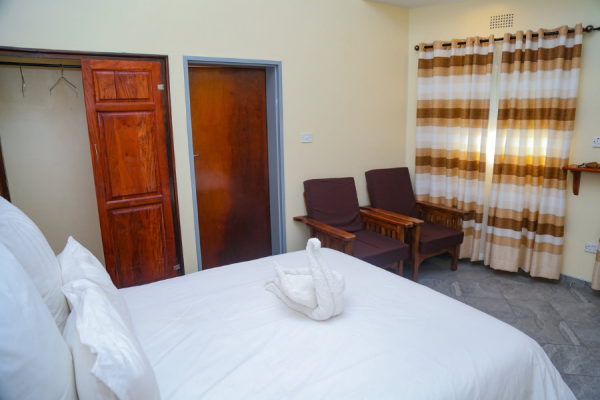
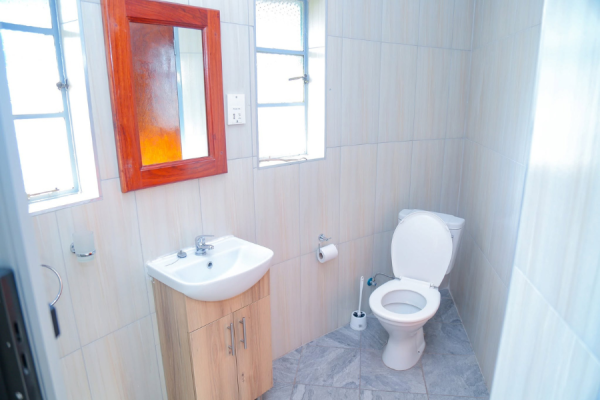
Schedule for 2027
Volunteers contribute to both community-based school projects and the official annual Game Count census, a mandated wildlife monitoring initiative critical to conservation planning.
September 11th, Saturday
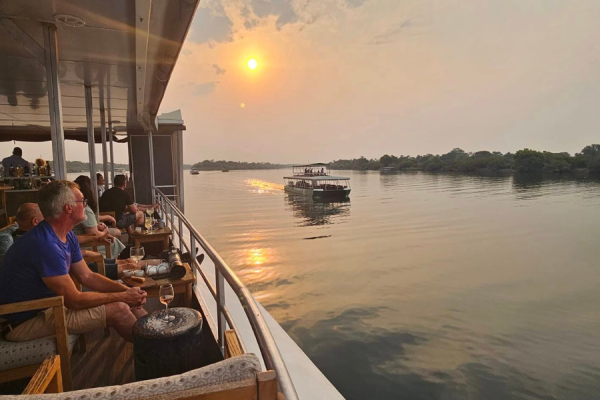
Your week begins in Victoria Falls, one of the Seven Natural Wonders of the World, before you travel to Hwange National Park, Zimbabwe’s largest wildlife reserve. Volunteers should arrive on or before September 11th, by 2:00 PM. At 4:30 PM, you will enjoy an evening orientation on a luxury Zambezi River sunset cruise and stay overnight at a hotel in Victoria Falls.
September 12th, Sunday
You’ll have the chance to explore Victoria Falls and participate in optional activities(self-pay). Victoria Falls town is also known as the “Adventure Capital of Africa" and has many activities – we can help you arrange these. You’ll spend one more night at your hotel in Victoria Falls.
September 13th, Monday
You’ll have time in the morning to grab essentials, water, and snacks before your journey to the national park. Each small group of 3 to 5 will go in a 4 x 4 vehicle to the park. It can take 3 to 4 hours to reach the park due to road conditions.
Departing Victoria Falls, you’ll arrive at a primary school for project planning and orientation.
Then you’ll head to the national park’s Main Camp, enjoy an evening BBQ, and then check into your cottage.
September 14th, Tuesday
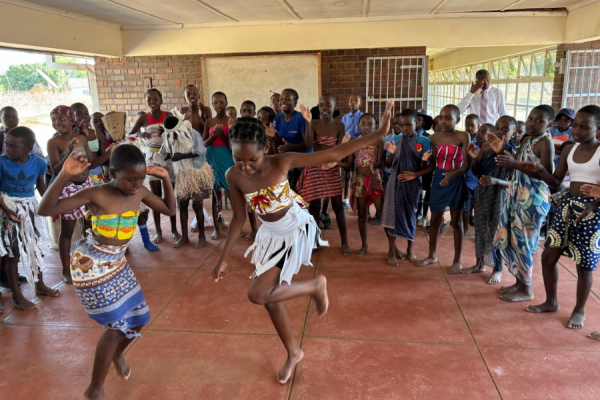
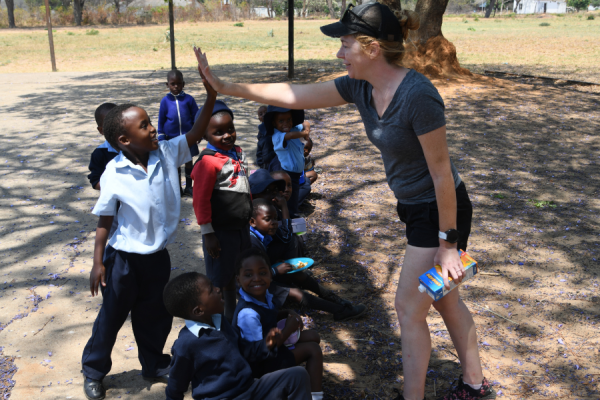
This is a hands-on service day. You’ll start with breakfast at a restaurant (open-air with lawns grazed by graceful Impala for parts of the day) followed by volunteering at the same primary school. Lunch is provided by the school, and you’ll join in some friendly games, competing against the students.
Example of past projects: Built chicken coops, providing chickens and chicken feed, building desks & chairs, repairing the ceiling, and the school is still using textbooks we have brought for every student.
After returning to the Main Camp in the late afternoon, volunteers will meet with official Game Count instructors and get an update from wildlife researchers, wrapping up with dinner at the restaurant.
September 15th, Wednesday
The primary monitoring operation launches, beginning with breakfast at the restaurant, vehicle loading, and departure to assigned waterhole sites. The official 24-hour Game Count begins promptly at 12:00 PM, with teams spending the night in the bush conducting real-time wildlife census operations, recording animal sightings, and tracking population data. Luggage remains safely secured back at Main Camp while participants deploy into the park. Each small team is stationed at its assigned watering hole, taking turns on watch while others rest in their designated 4x4 vehicle, which serves as a base for napping, eating, and shelter.
Conditions are primitive; some sites offer basic bathroom facilities while others require bush conditions, and participants should bring camp chairs, binoculars, and personal comfort items. The count is strictly passive and observational; all participants must remain inside their vehicles after dark, including for toilet needs, and no taunting of wildlife is tolerated. Water, snacks, and simple pre-prepared meals are brought along for the deployment, and a professional wildlife guide joins each group for approximately three hours to offer live interpretation of animal behavior and conservation insights.
Please note: The wildlife guide who joins you will depend entirely on your assigned site, as locations can be several hours apart.
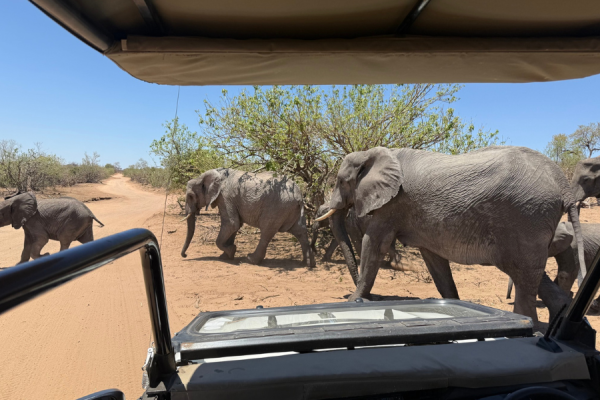
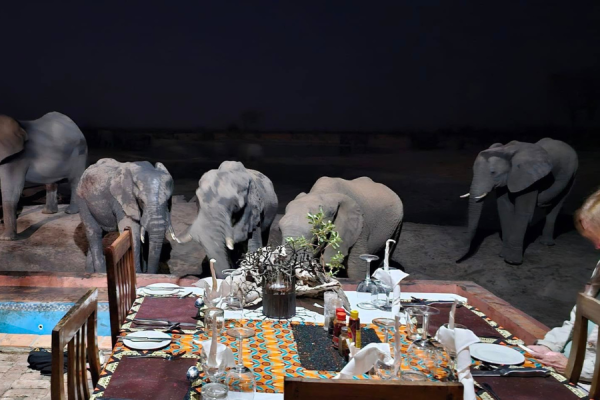
On the Count, expect to come within proximity of elephants and other wildlife, and at the waterhole, experience the interaction between the different species. A rare privilege.
September 16th, Thursday
The census concludes at 12:00 PM, after which teams return to the Main Camp for lunch at the restaurant. In the afternoon, the group may visit regional conservation initiatives such as Painted Dog Conservation, cheetah or leopard conservation programs, and a possible Tikobane community visit (schedule dependent).
That evening, participants return to the Main Camp to enjoy a BBQ dinner together and spend one last night there.
September 17th, Friday
After breakfast at the Main Camp, you’ll begin the return drive from Hwange to Victoria Falls, which can take approximately 3 to 6 hours depending on road conditions. This marks the official conclusion of the program upon arrival in Victoria Falls in the early afternoon.
While it is technically possible to fly home that same day, flight timing can be difficult to coordinate, so we recommend staying an additional night. Since the return group will not reach Victoria Falls until 12:30 PM or later, depending on road conditions, we suggest scheduling departures for later in the day or staying to enjoy the surrounding area.
Should you wish to extend your stay, we are happy to assist with booking an extra night of mid-range accommodations at approximately $150 per night.
Please note: High tourist season and airport security can cause check-in times to exceed 2 hours at times. We recommend planning your arrival at the airport accordingly.
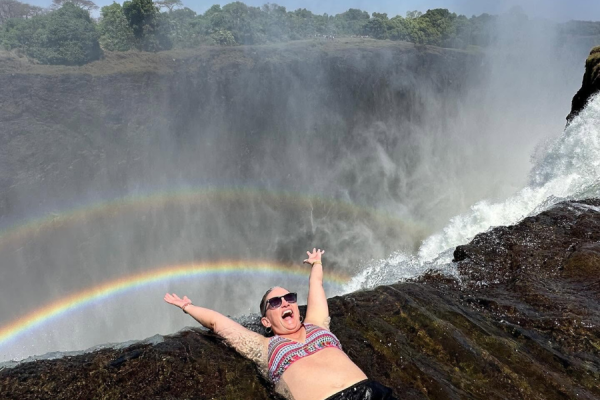
We do encourage spending a day or two at Victoria Falls on the front end or back end of the trip so that you can experience both the jaw-dropping waterfalls, helicopter rides, a cruise to see the Rhinos, Devil's Pool, a quick drive over the border to Zambia, and also the town itself. Also, if you have night vision equipment or satellite phones, this is one of those times they add a tremendous amount to the experience. Your orientation will include other recommendations such as neutral-colored clothing, sun visors, etc.
Every participant will be required to register and pay for membership in the local Wildlife Environment Organization to participate. ($60 per family; kids are considered anyone under 18) or $30 per single adult. ($60 per family; kids are considered anyone under 18) or $30 per single adult. The link to register is here. For membership, they must choose: "Matabeleland," pick US cash, new member. Upon arrival, you will pay this fee directly to the wildlife organization since they are not set up to receive payments from the United States.
Safety and Security
The Victoria Falls area is very safe, and people are very friendly. Vaccinations are not mandatory, but you should consult your doctor for guidance. Nearby clinics and hospitals are easily accessible by car if necessary when in VF. At Hwange, things are further and more difficult; the town of Dete offers the 1st clinics, which, depending on the pan we are assigned to, can be an hour or two drive. Volunteers will be part of a team led by Globe Aware personnel. For any safety-related inquiries or needs on the ground, please get in touch with our office. Consult your medical professional about any other recommended medications or vaccines, such as yellow fever or malaria prophylaxis, as we are not allowed to give advice in this area. We can say that most of the volunteers do not take these medications. You will NOT be there during the rainy season. It is normally in the 80s during the day and in the 60s at night during the game count. You will want to be able to layer, so bringing layering items/hat/sunscreen in a Land Rover is important.
The National Park where our game count occurs is the scene of an impressive wildlife spectacle in northwest Zimbabwe. The largest nature reserve in the country, it occupies around 14 600 square kilometers between Bulawayo and Victoria Falls. The vast expanse of Hwange is close to the edge of the Kalahari Desert and consists of a variety of landscapes, including semi-arid areas, sparse woodland, grasslands, rocky outcrops and seasonal wetlands.
A safari to Hwange will deliver astonishing sightings of the 40,000-strong elephant population as well as the other members of the Big Five, the endangered African wild dog, and rare species like roan and sable antelopes and even monitor lizards! It is also the only protected area in Zimbabwe where gemsbok and brown hyena occur in small numbers. Laying eyes on smaller nocturnal predators like servals, civets and bat-eared foxes can also be expected.
The skies above Hwange are filled to capacity with almost 400 different birds, and the bateleur eagle, kori bustard and southern ground hornbill are just some of the most notable species. Combining a safari package to Hwange with an excursion to other top Zimbabwe destinations like Victoria Falls and Mana Pools National Park, or even the renowned Moremi Game Reserve and Chobe National Park in Botswana makes this area extremely popular with travellers to Africa.
REGISTER FOR THIS SPECIAL PROGRAM
Leisure Activities
If you decide to add extra days, we can take you to see the baobab trees, local markets, and daily options to choose from, such as armed ranger-led game drives and Game Walks in the National Park. Explore the awe-inspiring Victoria Falls, the world's largest waterfall, and engage in thrilling activities such as water rafting on the Zambezi River, Devils Pool, bungee jumping, and a Sunset Cruise on the Zambezi. Experience the breathtaking views with helicopter rides, microlight flights, and speedboat trips beneath the falls and from the railway bridge. For the daring, indulge in extreme activities like bungee jumping and zip-lining across the gorges, as well as white-water rafting. Alternatively, opt for more leisurely pursuits such as sunset cruises and luxury historic train dining. Moreover, the nearby Zambezi National Park is a haven for wildlife, hosting the BIG 5 and a variety of other mammals
Game Drives and Game Walks in the National Park are available daily with armed Rangers; visit magnificent Victoria Falls LEARN MORE - the world's largest waterfall, Water Rafting on River Zambezi, Bungee Jump, Sunset Cruise on River Zambezi.
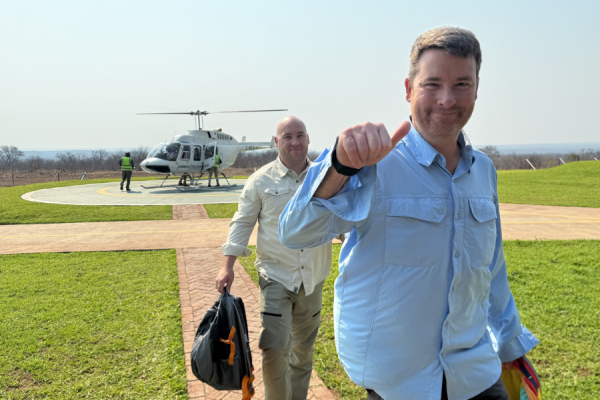
Victoria Falls
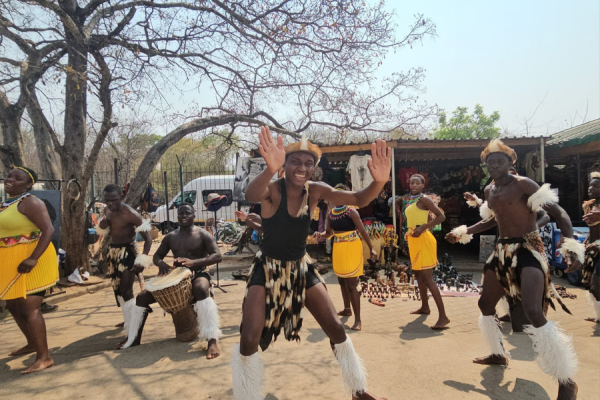
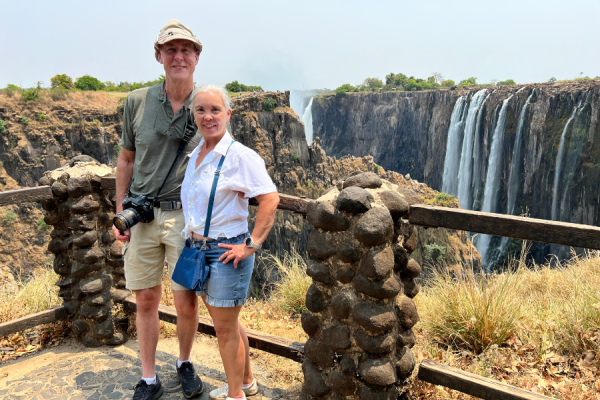
Visitors to Victoria Falls will discover the true origins of its local name, "The Smoke That Thunders." The town is small and offers an eclectic collection of excellent restaurants as well as authentic curio markets. If you love to collect, you'll love the Victoria Falls curio markets.
The town of Victoria Falls provides adventure seekers with many adrenaline-pumping activities. Popular activities include a scenic Helicopter Flight, Flying Fox (Cable Slide), Gorge Swing, Bungee Jumping, Zip Lining, Bridge Slide, and Canopy Tour.
What are you likely to see?
During the count, you may record a wide variety of wildlife species across the park, including:
- Large Mammals: Elephant, Cape Buffalo, Giraffe, Hippopotamus, Burchell's Zebra, and Chacma Baboon.
- Predators: Lion, Leopard, Cheetah, Wild Dog, Brown Hyena, Spotted Hyena, Caracal, and Serval.
- Antelope & Herbivores: Impala, Kudu, Sable, Roan, Blue Wildebeest, Tsessebe, Eland, Bushbuck, Steenbok, Grysbok, Klipspringer, and Common Duiker.
- Smaller & Nocturnal Mammals: Aardvark, Aardwolf, Bushpig, Civet, Serval, Striped Polecat, and Vervet Monkey.