Asia
-
Bhutan
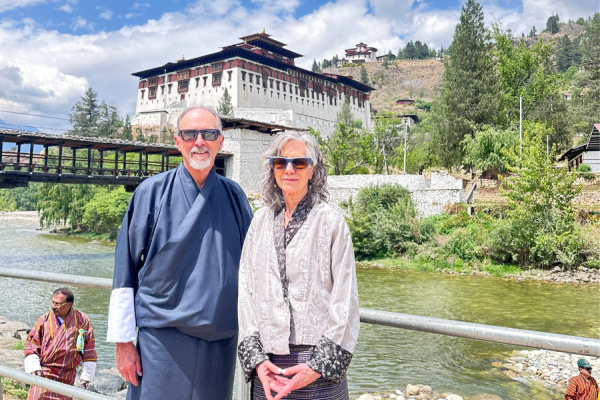
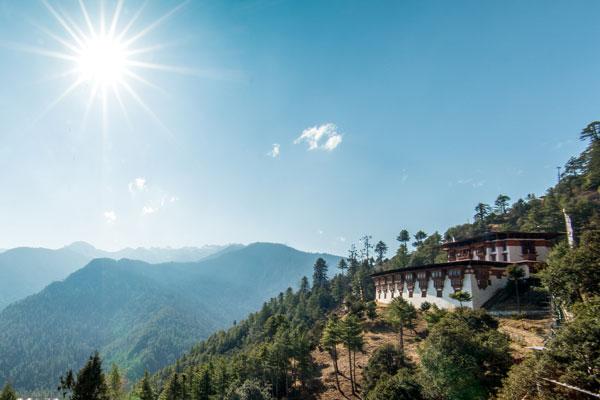
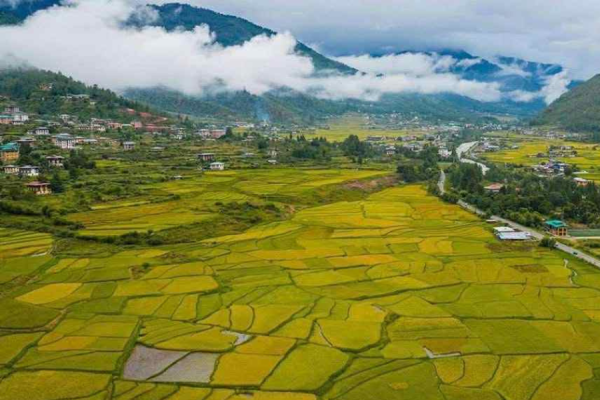
Important Notice: We now have a minimum of two participants! The new price is $3,072 per person, with nearly $1,000 covering the Minimum Sustainable Development fee. Please contact office@globeaware.com if you have any questions.Unlike most countries, Bhutan has a minimum spend per person per day, and independent travel is not allowed. This minimum fee was greatly increased in late 2022 when the country reopened its doors after 3 years of covid exposure. We know it is expensive. The country uses this income to support its people, something you will see first hand on arrival. The country allows very little tourism, and those it does allow contribute significant investment into the economy. The government-required fee is included in your cost to participate, as are the visas and the government Sustainable Development fee, and a gift of honey from His Royal Highness' apiary.The Kingdom of Bhutan is nestled high in the Himalayas between China and India. Its storied history, unique culture, and pristine environment are inextricably linked, and make it one of the few destinations left on Earth where people and nature exist in harmony.
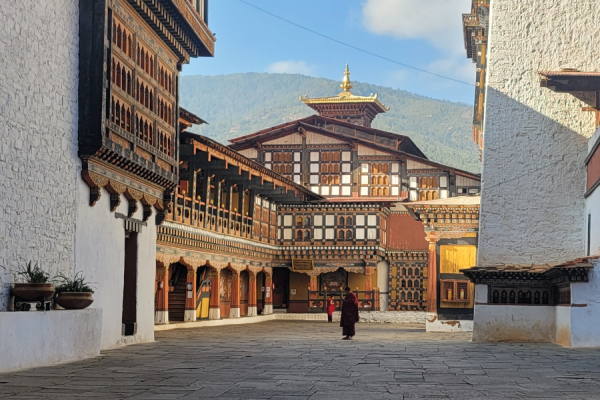
Globe Aware is working directly with His Royal Highness Prince Jigyel Ugyen Wangchuck and his representatives to allow select groups of guests to explore deeper into Bhutan. Reflecting our deep-seated commitment to local development and sustainability, all of our experiences and projects involve support for the kingdom's most important environmental, community and/or cultural initiatives; including wildlife protection programs with the Royal Government of Bhutan and His Majesty’s private initiative to preserve Bhutan's tangible history.
Work Project
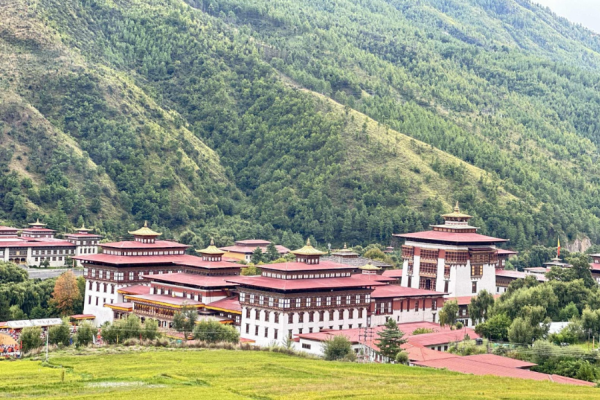
Over the past ten years, Thimphu (the capital city of Bhutan) has experienced an increase in population from 85,000 to 125,000 people. With this increase, the average age has decreased. This is largely due to young adults leaving their family farm homes in villages with the goal to partake in the capital’s growing service economy (largely tourism).
With less opportunity than demand for entry, these Bhutanese youth often struggle to earn a living. While Bhutan remains one of the safest countries in the world, locals have noticed an increase in crime and depression in this age group. At the teenage level, there is very little extracurricular activity available in Thimphu. After class, students either return to their homes or sit with friends in the main clocktower square. This lack of programs prevent the youth from finding hobbies, networking and/or developing ideas to help their personal growth.
Thimphu has not been able to develop infrastructure to keep up with the population increase for this type of community program. The ultimate goal of our program in Bhutan will be to construct and outfit a community center primarily focusing on the youth of this community. The center will provide a positive, safe, and conducive environment for recreational and social activities, programs and projects, access to information on youth related issues and access to counseling and referrals for both the youth and their families. The intention is to help the youth become productive and responsible, respecting and resilient citizens. The center will have a library, indoor games, internet, printing, binding and lamination facilities.
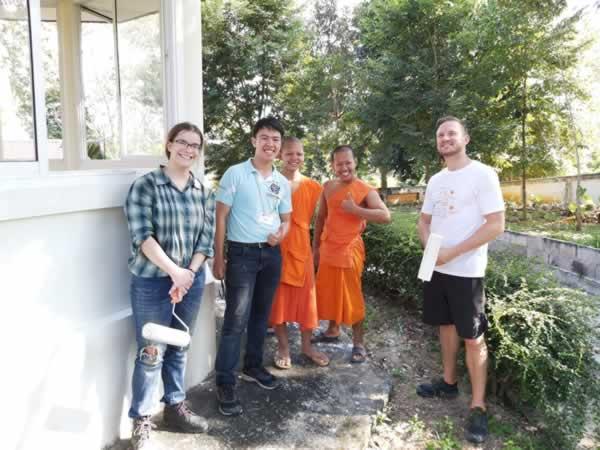
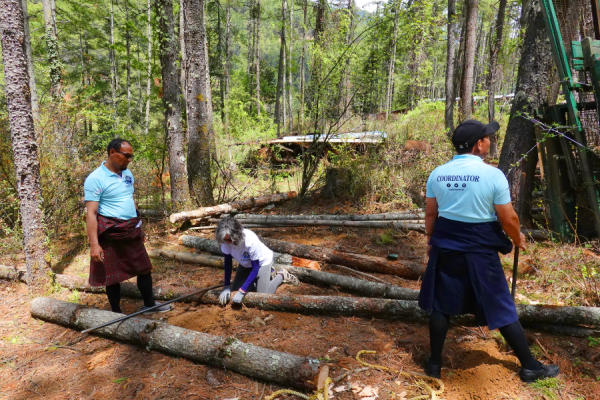
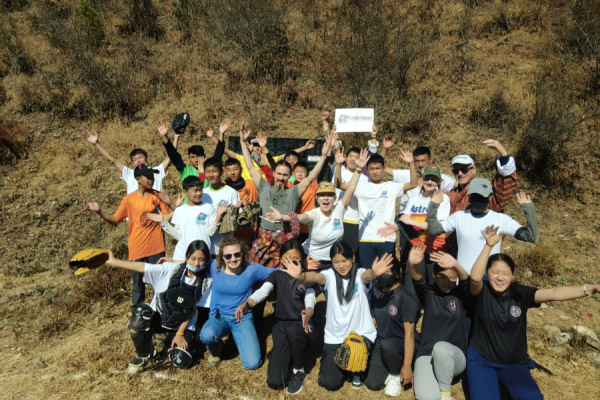
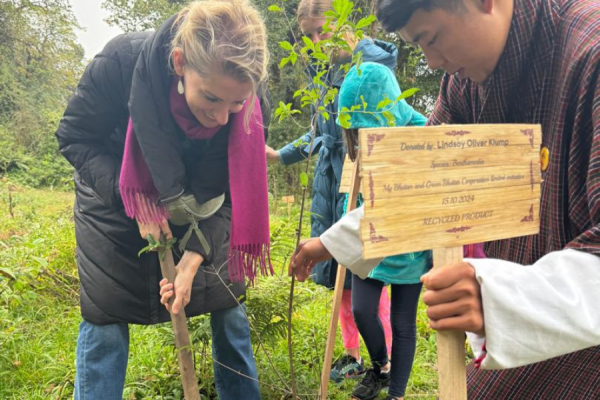
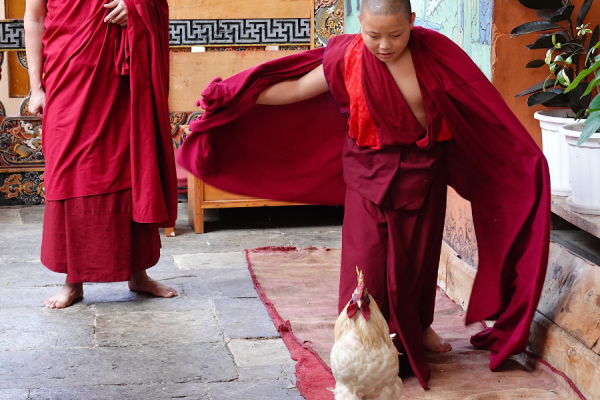
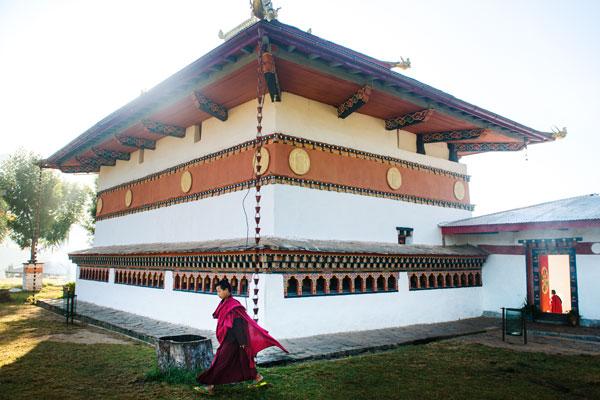
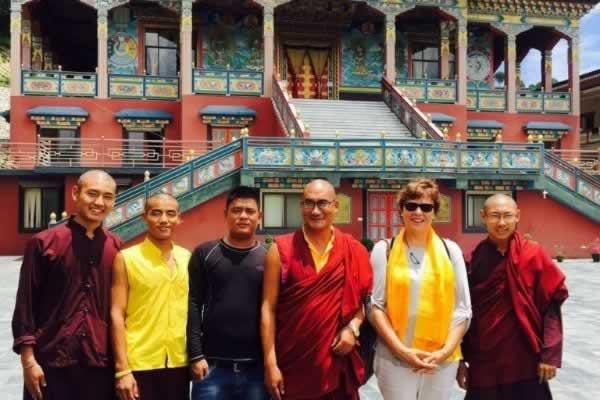
In addition to the community center project, volunteers will spend one morning building much needed shelters for an animal rescue mission, work alongside Bhutaese Buddhist nuns to whitewash their temples (then eat lunch with them), plant a few magnolias in a sacred forest, engage in variety of environmental projects with the Royal Society for the Protection of Nature; larger groups may also work on similar community focused projects such as; working with the Bhutan Olympic Committee to build Bhutan’s first baseball field for the youth in Thimphu; assisting with the construction of the city’s first community-based library; Restoration of the 13th Century Jamtoe Goenpa in Haa District; or help with the construction of an animal rehabilitation facility in conjunction with the Department of Forest and Park Services. Project specifics will vary on group size, needs of the community at the time of travel, availability of supplies and weather. Project specifics will vary on group size, needs of the community at the time of travel, availability of supplies and weather. Smaller groups will work on various community driven projects that also support the community, such as; Whitewash temple with resident monks, work on trail maintenance with one of Bhutan's leading environmental stewards/activists; tree planting (Bhutan is the world’s only carbon negative country in the world!); or making Tsa Tsa with monks (clay mold usually made in memory of Bhutan's deceased or to keep away obstacles, diseases and/or accidents).
Food and Lodging
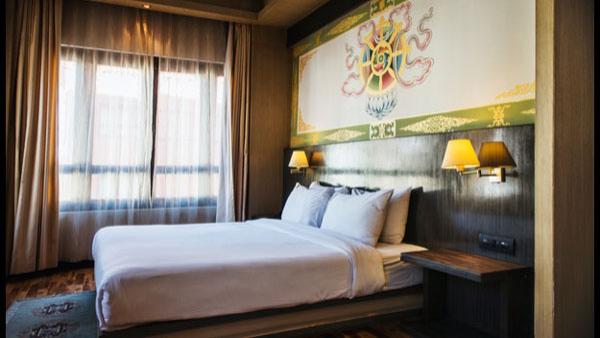
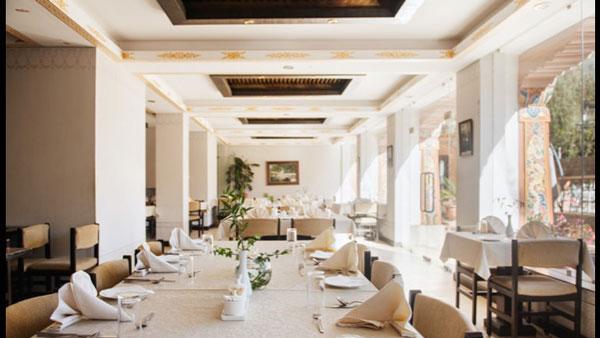
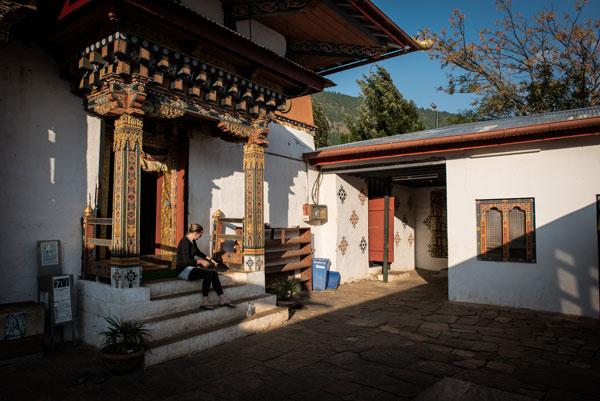
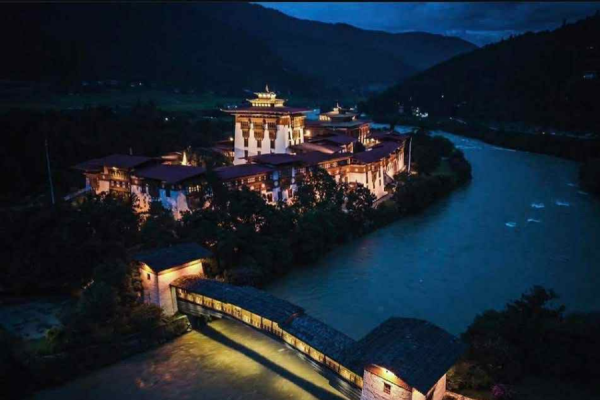
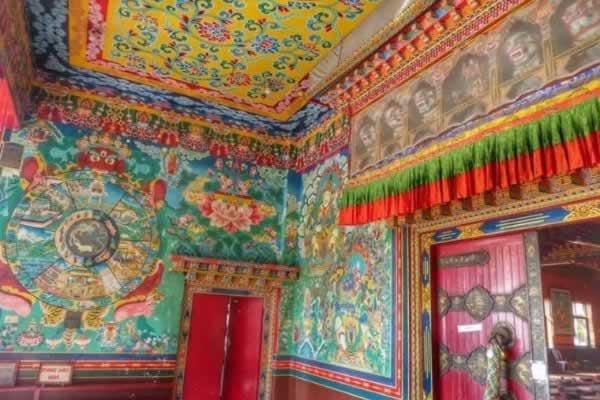
Volunteers will stay in three separate 3 star hotels along the way as we move through Thimphu, Paro, and Punakha, hotels with a distinctly local flavor than many other hotels, with Buddhist artwork found throughout the hotel. All feature large, colorful auspicious symbols painted directly on the walls over beds.
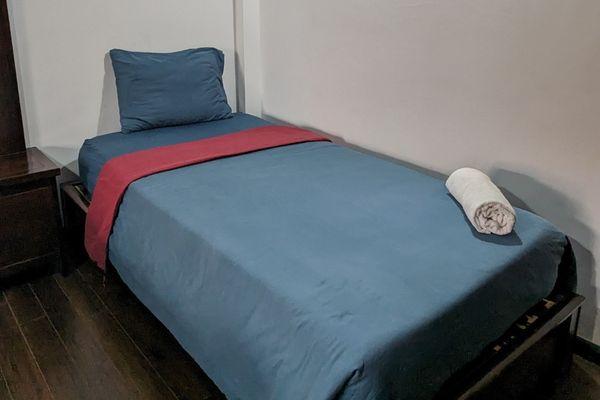
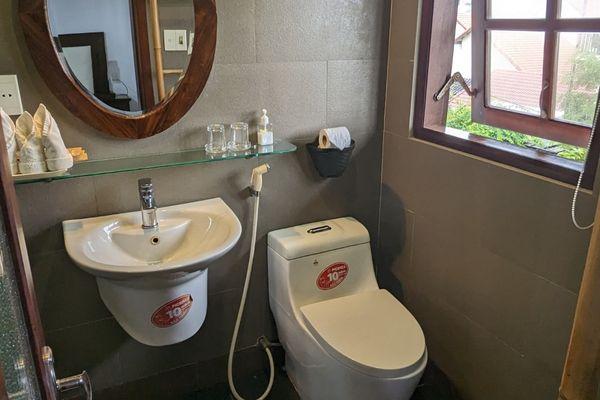
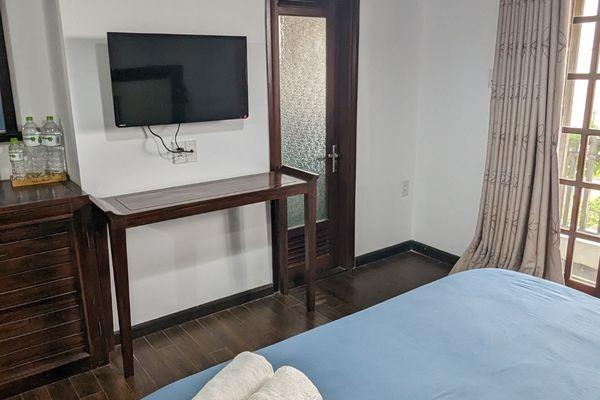
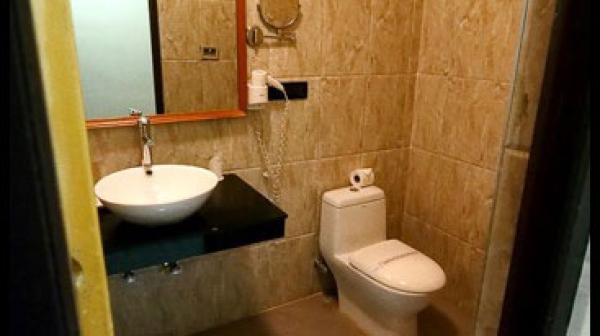
All of the hotels’ rooms have free wifi, refrigerators, wood floors, flat screen TVs with international channels, modern bathroom fixtures, laundry service, room service, and complimentary coffee/tea and bottled water daily. Depending on timing, some rooms may include a complimentary 20-minute massage at Aru Spa.
A restaurant adjoins the lobby of all the hotels, offering Indian, Chinese, Bhutanese, and Continental fare, as well as salads, soups, sandwiches, and pasta dishes.
Leisure and Activities
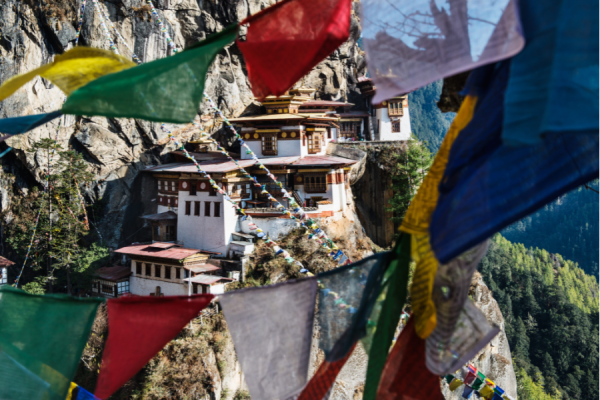
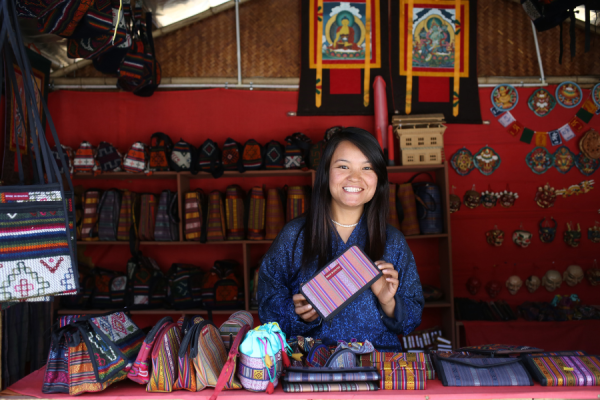
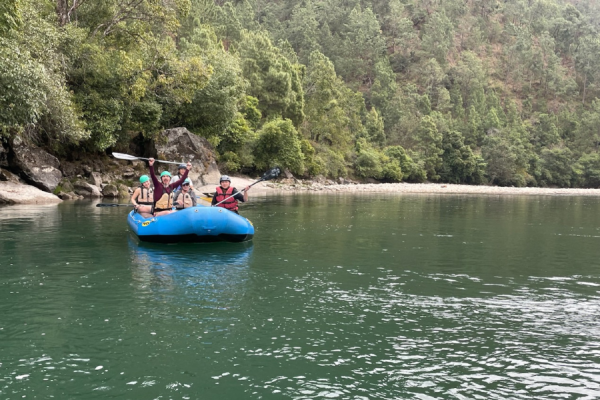
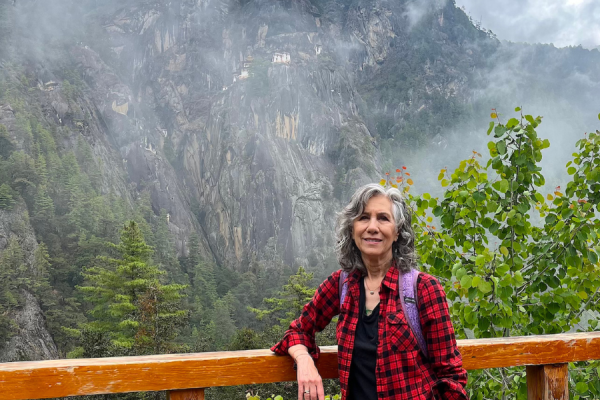
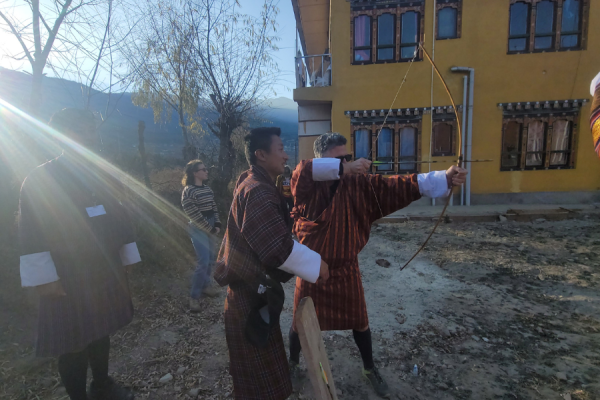
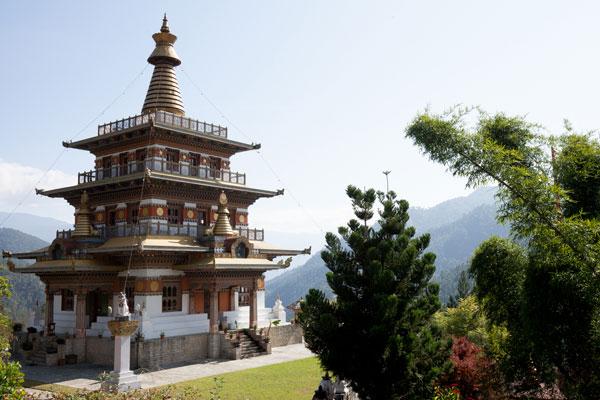
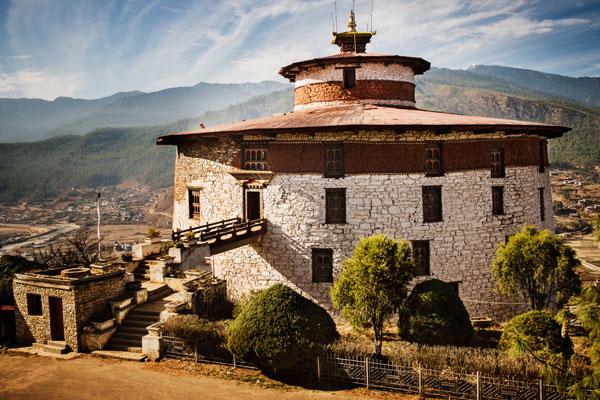
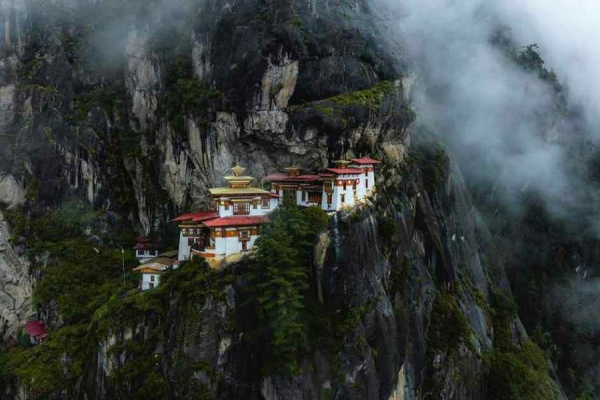
There are many cultural opportunities to partake in while in Bhutan. Visiting remote mountain temples, taking scenic hikes, exploring the lush and untouched nature, and enjoying traditional customs in cultural exhibitions are just a few. Volunteers will have many opportunities to enjoy meals and activities with local community members in a truly immersive experience. You will spend an evening strolling through the central downtown, visit with the Takin (sacred national animal) on a short forest hike, learn how to cook famous Bhutanese dishes, such as their famous chili cheese dish!, you will visit the Bhutan Post Museum (where you can have personalized stamps made for postcards you then mail home), the Royal Textile museum, walk across famous suspension bridge, and of course hike the 8 mile roundtrip to Tiger’s Nest, entering the sacred cave beneath the monastery. You can also hire d onkey to get you 2/3 of the way there and back for an extra (modest) cost you pay directly on arrival. We always include a family farm home visit or two, you will receive a traditional Bhutanese blessing from a llama, and you will enjoy traditional Bhutanese dancing. Depending on the time of year, you will also be invited to play a softball/baseball game with the burgeoning kids team, begun in 2001 (coach is from Texas!)
Arranging your Airfare
A visa is required to enter the Kingdom of Bhutan. We ask that you book a trip at least 60 days in advance to give time for proper paperwork to be done. We will provide you with the necessary documents from the government of Bhutan, but the volunteer is responsible for applying and obtaining their visa.
Volunteers will be picked up and dropped off at the Paro International Airport according to your flight schedule. This is a Sunday-Saturday program.
Safety and Security
Widely considered one of the safest international travel destinations, Bhutan reports some of the lowest crime rates in the world. You will be accompanied by our local coordinators and government tour guides throughout your stay to guarantee you are well taken care of. Globe Aware volunteers are provided travel health insurance in the event you need to see a doctor while on site. The hospital is within easy driving distance from our program site.
-
Cambodia
Cambodia Rediscovered
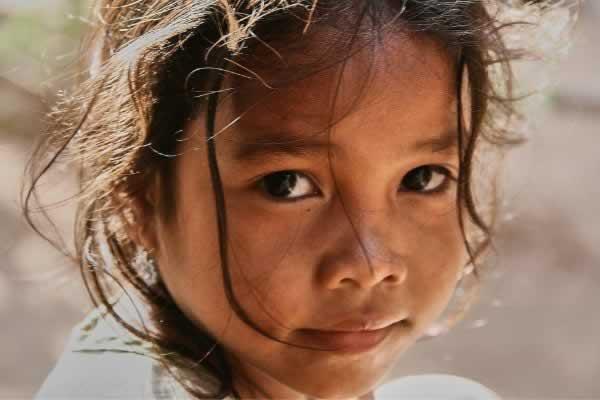
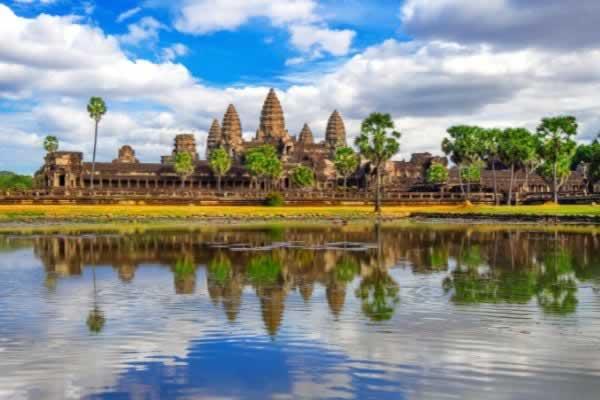
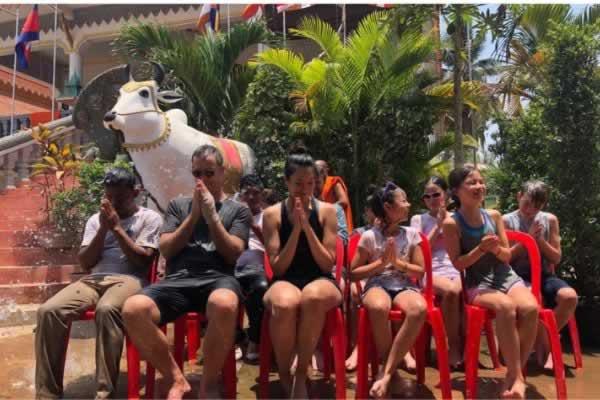
Cambodia is one of the most fascinating countries in Southeast Asia. Following years of war and genocide, Cambodia is now a very safe place to visit, and most importantly, extremely needy. The Angkor Wat temple complex is an enormous tourist draw and the city of Siem Reap is seeing more visitors than ever. Unfortunately, most Cambodians are not reaping the benefits of the blossoming tourism industry, and a large percentage of people still live in abject poverty. Cambodia's children are in need of attention, there is a burgeoning street-child problem, and schools are inadequately equipped to deal with the increasing number of students. Over 50% of the population is under 25. In addition, thousands of Cambodians are maimed and killed every year when they step on the unexploded landmines that remain in the countryside from the years of horrible war. More on Challenges in Cambodia.
Work Project
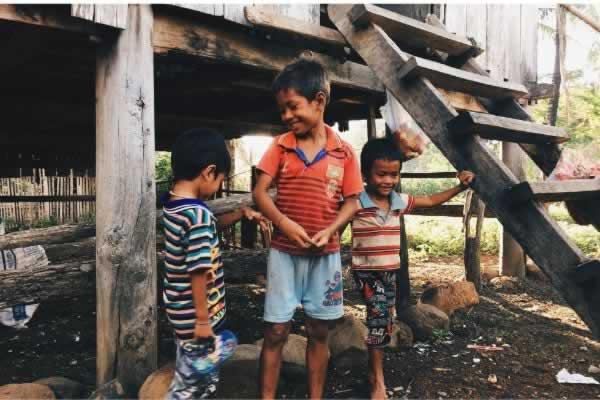
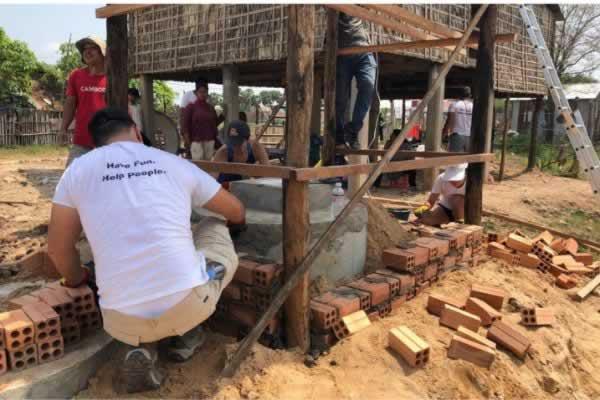
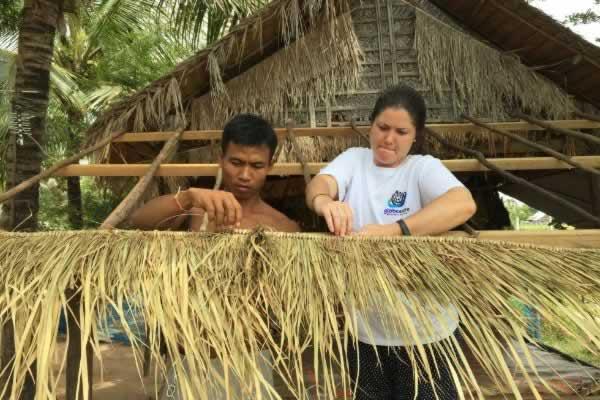
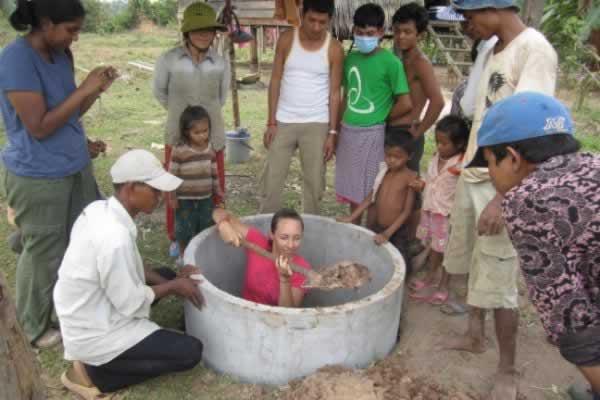
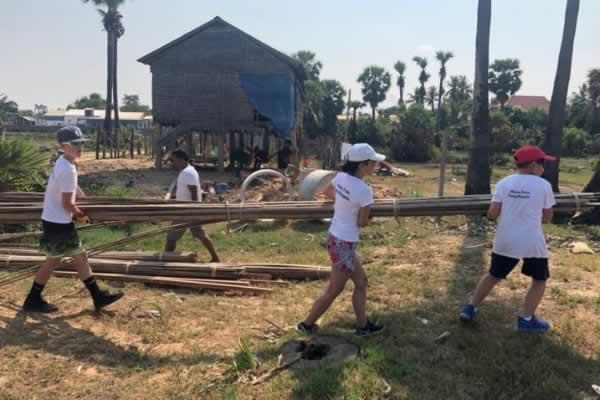
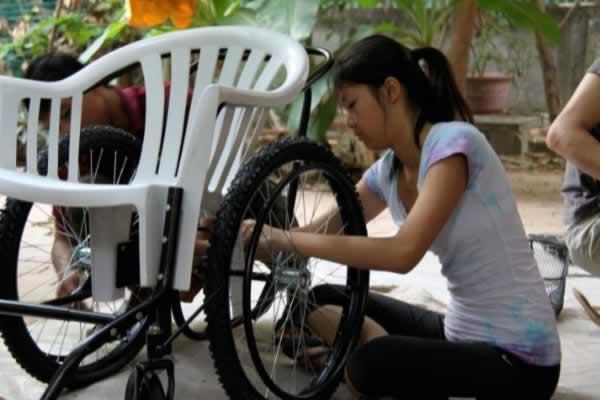
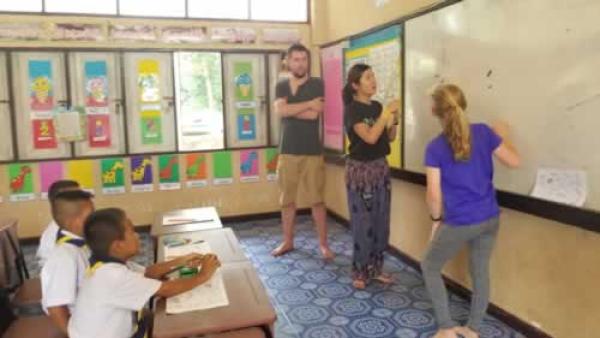
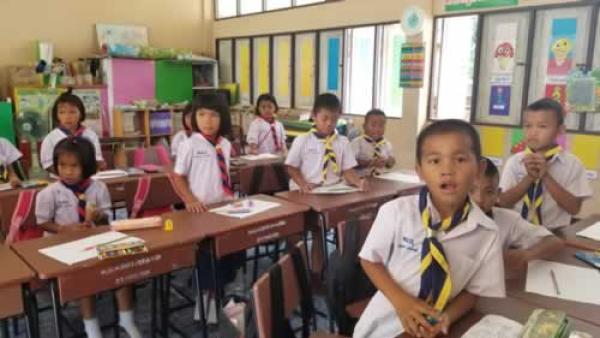
Globe Aware's program is located in Siem Reap, the gateway to the famous Angkor Wat temples. Volunteers will participate in a variety of projects, usually including a mix of concrete projects such as assembling wheelchairs or making home repairs in indigent areas to soft skill projects working with children in a variety of interactive opportunities at a village school in a rural Cambodian village who otherwise have very little contact with native English speakers. You will work alongside a teacher at the school to make sure your time is meaningful and efficient.
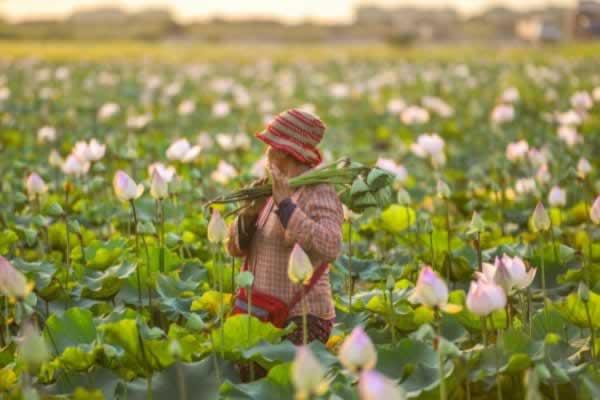
Volunteers may also have the opportunity to help in the construction of a chicken coop for a needy village family. A chicken coop will allow the family to harvest the eggs for a great source of protein as well as sell any surplus eggs for a profit. Volunteers may also participate in part of our reforestation efforts in villages around Siem Reap. Outside of the temple complex, trees are not protected. With the construction of new roads and the clearing of large expanses of land, erosion has become a problem. We are working with local villages to set aside protected areas for tree planting as well as alongside new construction.
As so many have been injured by landmines, or are victims of polio and other debilitating illnesses, volunteers may be able to assemble and distribute wheelchairs to needy recipients in rural villages. The wheelchair project will be possible based on availability of parts and in accordance with shipping and customs regulations.
There is always the possibility of small projects to work on at the school as well. A set itinerary is created a couple of weeks before your arrival.
Click here to view a video made by one of our volunteers
Food and Lodging
Volunteers will be lodged in a simple hotel setting. Running hot water is available, as are flushing toilets and electricity. Fresh American and Khmer specialties will be served. Many say that Khmer cooking is similar to Thai cooking but with less spice.
A simple breakfast is always included with your room. For YEARS we have tried to arrange, as we do in all our other locations, to have all remaining meals arranged and catered from a variety of sources. After twelve years of trying, we have to admit defeat. There are so many inexpensive, safe, wonderful, diverse, Khmer and cosmopolitan, safe and nutritious restaurants within such easy walking distance that they continually lure our volunteers away from whatever has been planned. Rather than trying to have volunteers eat what we have planned, we have decided to take the funds out of what we charged for them, and allow volunteers to have lunch and dinner on their own. If anyone wants recommendations of what is safe, your coordinator will have many suggestions. But we know you will see what we mean when you arrive: it’s a gastronome’s paradise. Wonderful meals can be had anywhere from $2.50 to $7 per meal at almost every restaurant.
Leisure and Activities
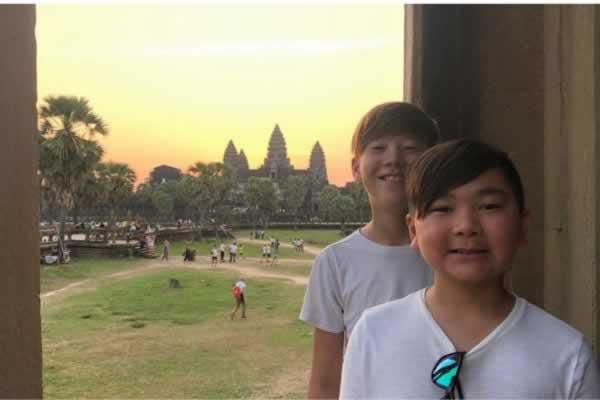
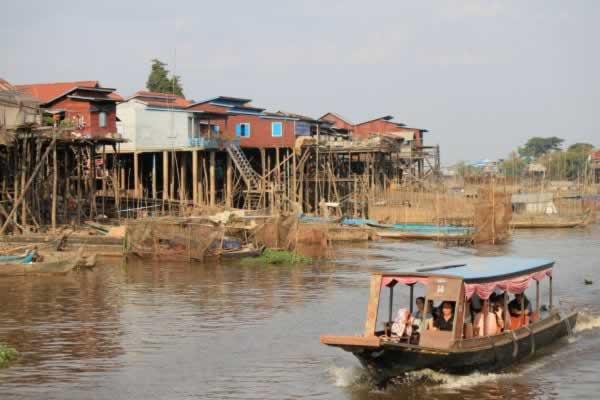
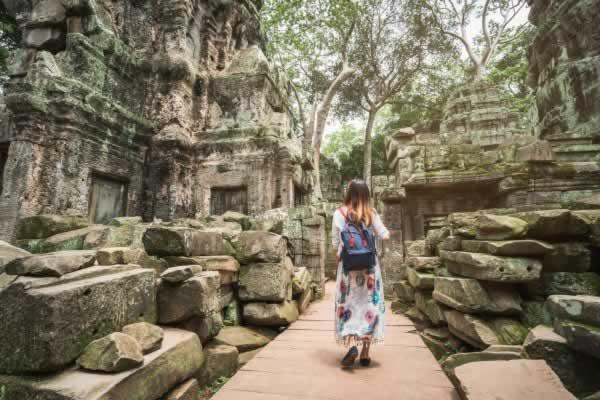
The Angkor Wat temples are more unique than the Taj Mahal in India, taller than any European Medieval Church, and more varied and numerous than the pyramids in Egypt. Volunteers will have time to visit many of the famed temples of Angkor Wat, the stunning floating village on Tonle Sap Lake, and explore the town of Siem Reap.
Arranging Your Airfare
Arrive at the Siem Reap - Angkor International Airport (SAI) by 10 am the Sunday your program begins. The program ends at 11 am the following Saturday. The airport is one of the return drop-offs stops our driver will make. You would not want to arrange a flight that departs any earlier than noon on the return unless you want to make special arrangements.
Safety and Security
Your greatest risks are if you decide to travel independently in urban areas, where you are more likely to see road traffic accidents, or if you decide to go trekking independently where landmines and unexploded ordnance exist in certain rural areas.
-
China
Due to the ongoing #coronavirus outbreak and related school closures and travel constraints, all Globe Aware programs in China are being suspended until further notice. Full refunds will be given to a currently registered or volunteers can transfer the full credit to any program of their choosing.Changing China
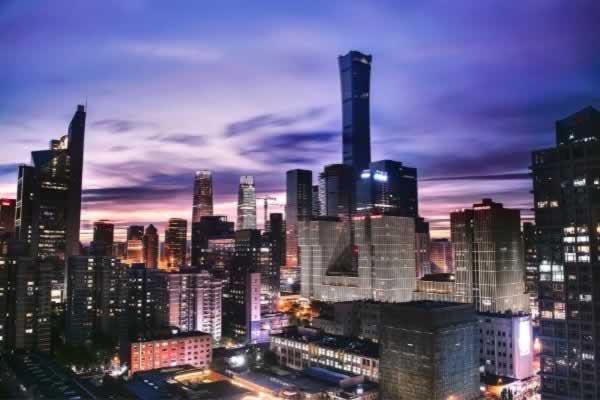
China is changing. With all of the political and economic changes China has undergone in the last decades, it is bursting onto the international scene in an unprecedented scale. As China's population soars over a billion people, this formidable giant is a more interesting destination now than ever. Our volunteer vacation program is based on the outskirts of Beijing, the capital of China and home to the 2008 Olympic games. Here, volunteers will see the stark contrast between China's ancient traditions and rush to modernization, between soaring consumerism and shocking poverty.
Volunteer Vacation Work Projects
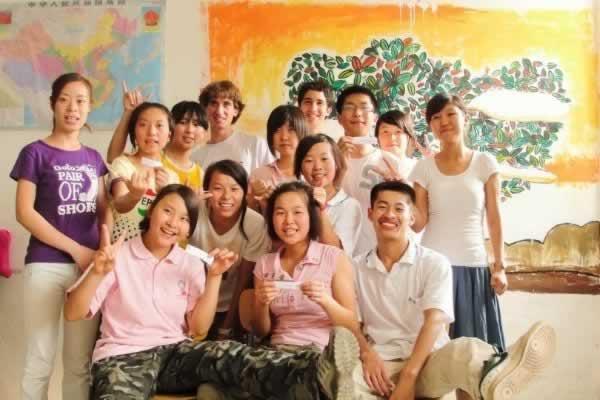
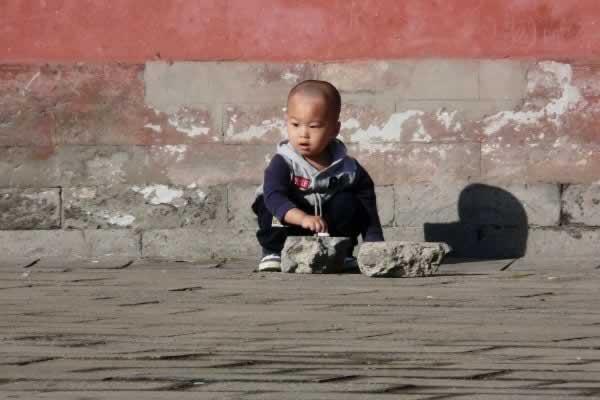
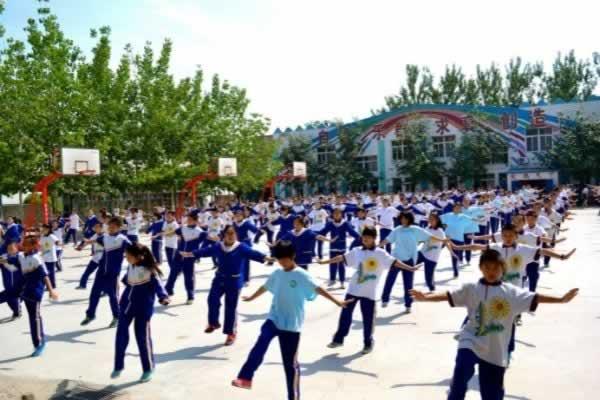
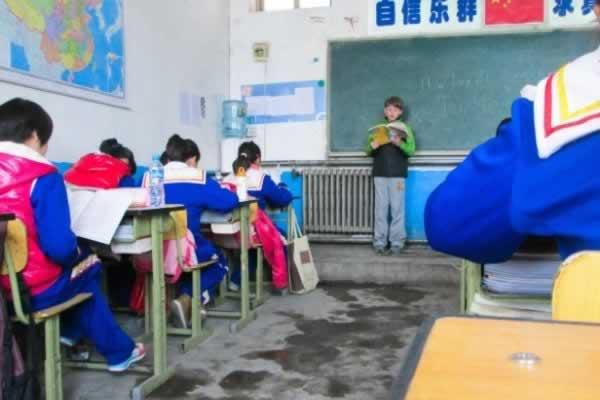
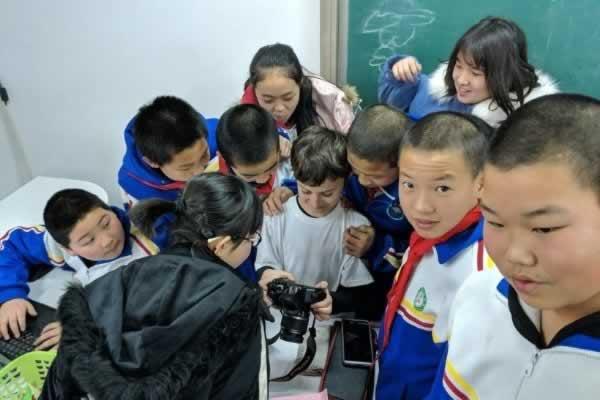
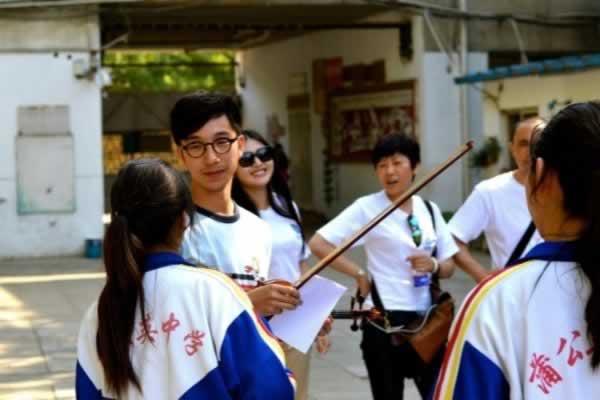
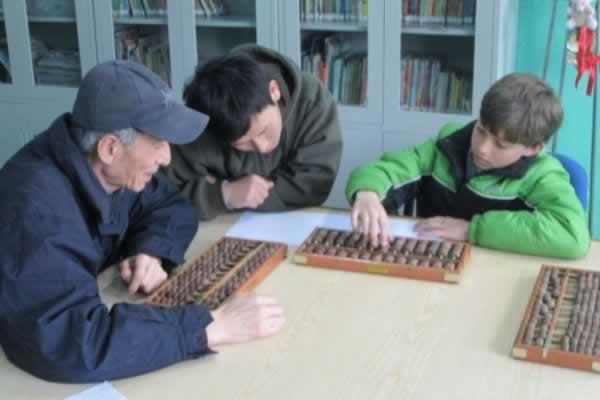
China's booming economy is luring millions of people into cities from the countryside. Regulations mandate that Chinese citizens receive official permission to move from their registered region of the country, or they lose basic social services upon relocating. This permission is extremely difficult to obtain, resulting in over 150 million "migrant" people marginalized in cities, and a generation of children with no access to public education or health care, many of whom live in substandard makeshift housing. Globe Aware volunteers will work in the only truly non-profit middle school for migrant children. The school needs major assistance in improving the building's infrastructure and environment, which used to be a factory. Projects and priorities change by the week. Volunteers may help with projects such as painting classrooms, building furniture, and improving bathroom facilities. Volunteers will also teach English pronunciation and other essential skills.
Volunteer vacation projects vary depending on the number of people involved, which projects were finished (or not) with the prior group, what priorities have changed, weather conditions, which supplies are available, and often the interest and fitness level of the volunteers. For these reasons, specific projects are often not fixed until the week prior to your arrival and can even change upon arrival.
Food and Lodging
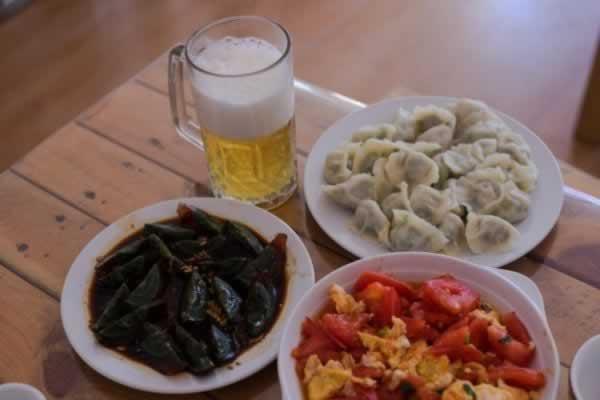
Volunteer vacationers will stay at a modest hotel located minutes away from the project site in the 5th Ring district of Beijing. Private bathrooms with modern amenities are available in each room. Meals will be taken with the group at local eateries.
Leisure and Activities
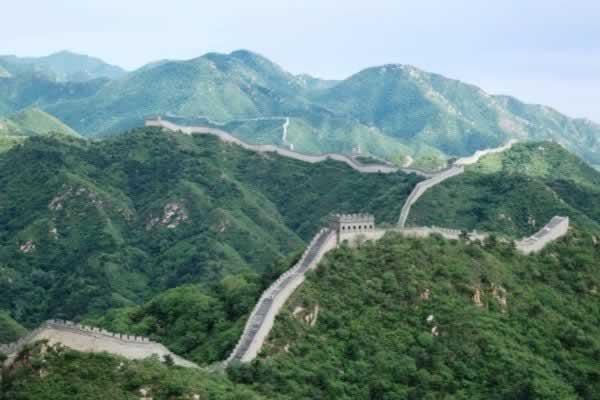
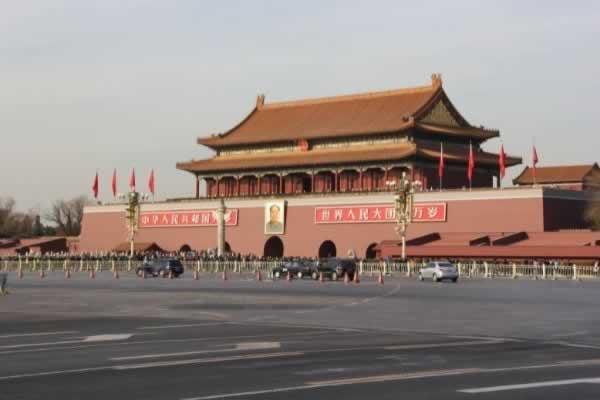
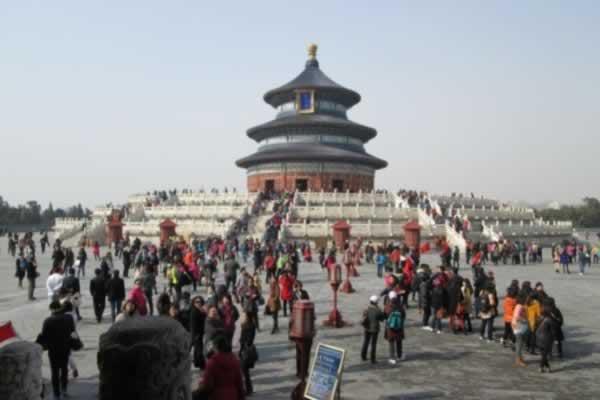
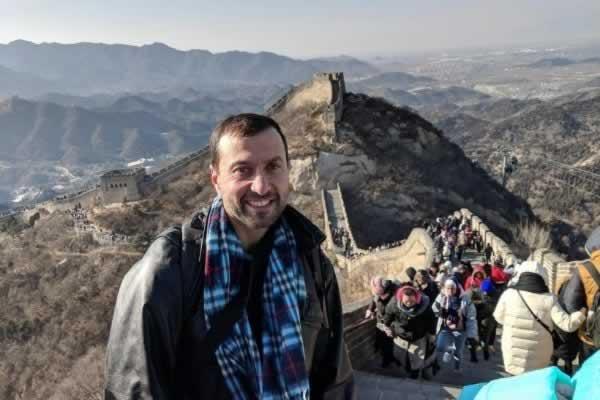
There is a wealth of things to see and do in Beijing. Volunteer travelers will have the opportunity to visit sites such as the Forbidden City, the Great Wall of China, Tiananmen Square, the Temple of Heaven, and the Summer Imperial Palace during free time or as an organized excursion during the week. Please note that not all of these excursions will be covered by your program fee. We will leave space in the itinerary to give you an opportunity to see your top choices, but they may be at an additional cost. Please contact our office for more detail.
Arranging Your Airfare
Volunteer vacationers should plan to arrive in Beijing before 11 a.m. the Sunday the program starts. You will meet the coordinator at a hotel close to the airport and will travel out to the program site and accommodations with the group. It may take well over an hour in the Beijing traffic to travel from the airport to the 5th Ring district.
Safety and Security
Your volunteer vacation will take place in China. Travelers should be vigilant when in major cities or tourist areas.
TRAVEL NOTICE
In January of 2019 the US government issued a notice calling for “increased caution” when traveling to China due to perceived arbitrary enforcement of local laws. We have never had a volunteer experience these, and there can be a complex, larger set of political dynamics involved in such advisories. While we feel quite certain that volunteers traveling to China who exercise normal respect for laws will have no difficulty, we want to make sure you are aware of what the State Department has issued. For the full text on this, CLICK HERE -
India
India has done away with Covid-19 testing and quarantine for fully vaccinated passengers from 82 countries, which include the US. Please contact us at office@globeaware.com to learn more.Fighting Inequality in India
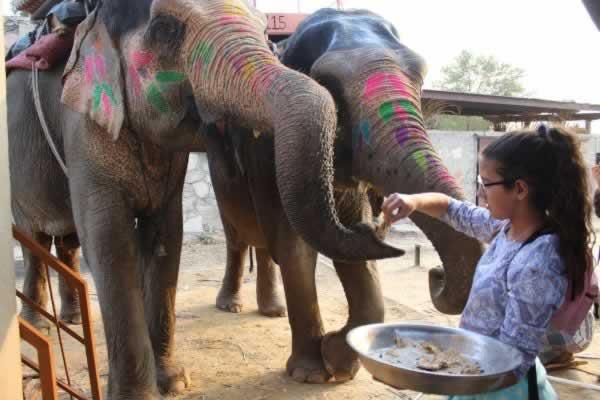
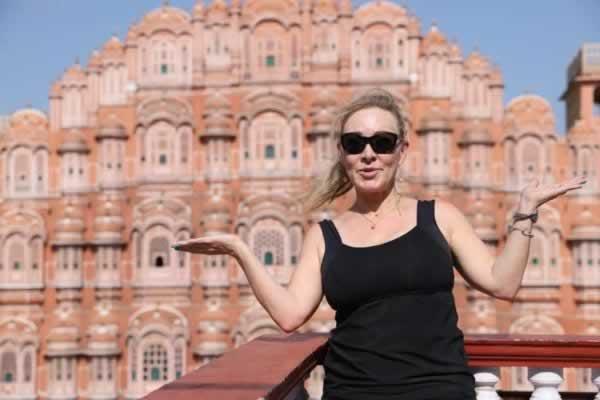
Globe Aware's India program is based in Jaipur. Maharaja Jai Singh II, a Kachhwaha Rajput, who ruled from 1699-1744, founded Jaipur, "The Pink City". Built in 1727 Jaipur was the first planned city of India and the King took great interest in its design. The title of "The Pink City" is in reference to its distinctly colored buildings, which were originally painted that color to imitate the red sandstone architecture of Mughal cities. Jaipur has grown into the commercial center for most of the rural regions of the northwestern Indian state of Rajasthan and is that state's largest city. It is a place with a rich cultural history. During your strolls through the city you may come across typical Rajasthani men and women wearing turbans and colorful ghagra-choli.
VOLUNTEER WORK PROJECTS IN JAIPUR
Many children, below the poverty line or considered different, are often neglected in Indian society. Parents of these children are usually daily wage earners like rickshaw drivers, laborers, etc, and are unable to provide their children with what they need. Schools also have few resources due to a lack of funds and teachers. Covid has hit this population even harder, drying up already limited job opportunities, access to education, and pausing beneficial building renovations of schools. We are thrilled to be back in India, making a difference!
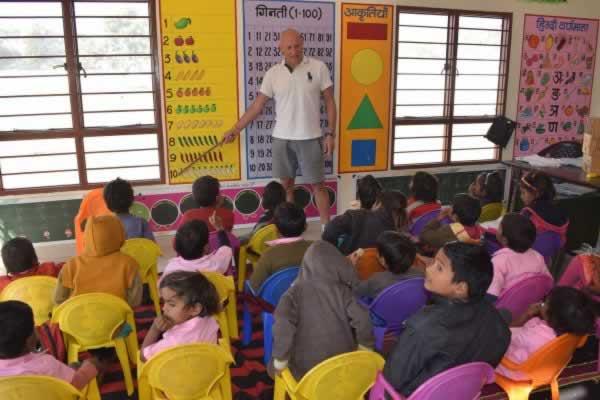
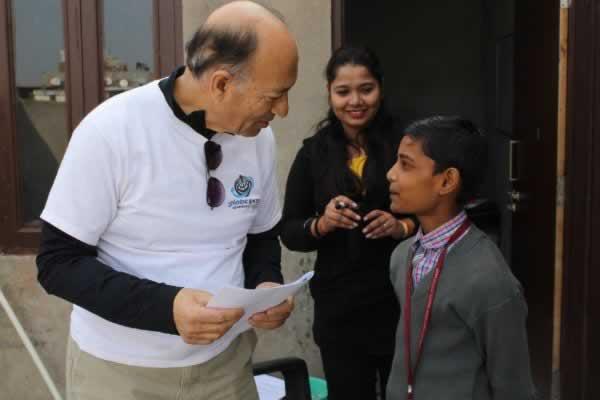
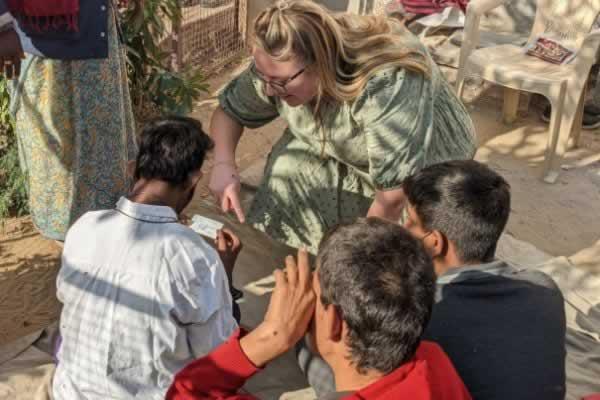
As a volunteer, you will provide a much-needed hand in building and renovating important facilities for different age groups, and you will also have the opportunity to interact by teaching basic courses, games, sports, and arts and crafts. With your assistance, these kids are able to catch up with their peers and receive opportunities they would not otherwise have. Projects are currently split into small and big based on the number of volunteers needed. Projects may be chosen based on the immediate need of the community.
Solo/Small Groups & Families
AIDS/HIV Care Home for Children
The home is a residential facility for around 30 girls, aged 3 to 17 years old, diagnosed with AIDS/HIV. Some have also lost a parent or both due to AIDS/HIV. The home requires volunteers who can help build furniture for the computer room so that the children can have comfortable access to online learning and other educational resources.
Special Needs Adult and Kids Center
This center currently assists 12-20 adults and children affected by disabilities such as ADHD, Autism, and Muscular Dystrophy. The center also receives limited support from private funding institutions and previous volunteers. We are looking to create a sustainable learning environment by renovating classrooms and building sensory equipment.
Government Schools and Daycare Centers
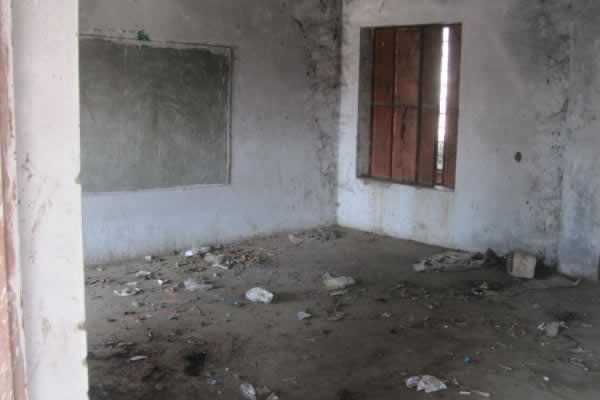
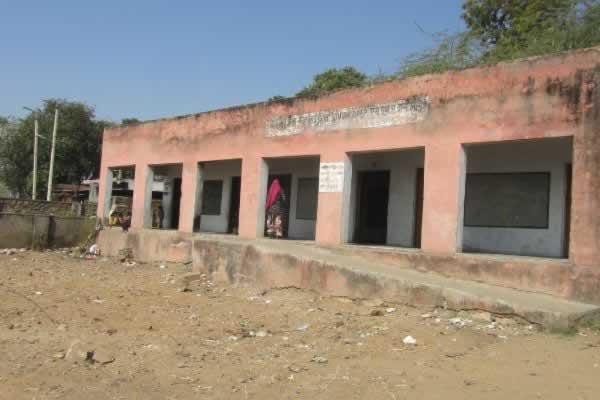
We are working with government schools in India to improve the quality of education and the infrastructure itself to stop drop-out rates. The government schools are unable to provide desks and benches for the kids to even be able to sit and write. Classrooms are in poor condition with broken walls and blackboards. Schools also need girls' toilets to be built to provide a safe space and encourage female students to attend.
The Day Care Center (DCC) projects provide daycare to the daily wage-earning population who are "Below the Poverty Line" (BPL). The children who attend a DCC are usually between the ages of 1 to 5 years old, with 10-50 kids per center. The DCCs are in poor conditions without any furniture and equipment to fulfill the needs of a child’s overall development.
Big Group Projects - will require groups of over 20
Sensory Garden for Special Needs School
You will be volunteering at a day school for 50-100 special needs children affected with mental and physical disabilities such as ADHD, Autism, Muscular Dystrophy, Locomotor Disability, Cerebral Palsy, and Multiple Sclerosis. The school is looking to develop a sensory garden for the kids to enhance their ability to sense sound, touch, feel, smell, and vision.
Rural Village Water Harvesting Development
Rajasthan is a desert state in India and always faces drought and famines. We are working to educate and empower the small villages having low-income earning populations to develop a water harvesting structure to save rainwater. The income of the village population is below $5/day and they can't afford to establish water harvesting structures in their homes/huts. You will be building and installing the water harvesting structures in the village, and also create innovative ways to reduce kitchen water waste.
Low-Cost Eco-Friendly House Development
We are working in the rural communities in India to build low-cost eco-friendly houses. We are helping houses safely withstand extreme weather conditions, from incessant rains to raging dust storms with solar panels that can provide free electricity to them. You also may possibly be building a solar panel system to fulfill their daily need for electricity.
Food and Lodging
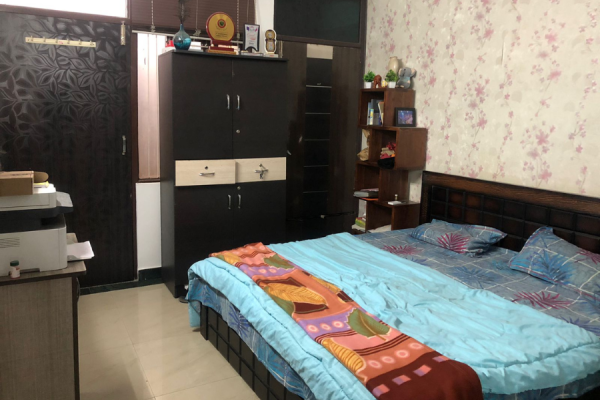
Volunteers can choose between staying with a local Indian family in a homestay or lodging at one of the modest hotels near our program site. Please note that homestays can accommodate a maximum of two volunteers; groups larger than this will be placed in a hotel. All accommodations include running hot water, flushing Western-style toilets, and electricity. While not luxurious, they are more than sufficient to provide a comfortable and enjoyable experience. We house volunteers two to a hotel room unless you decide to pay a single supplement of $200 per week.
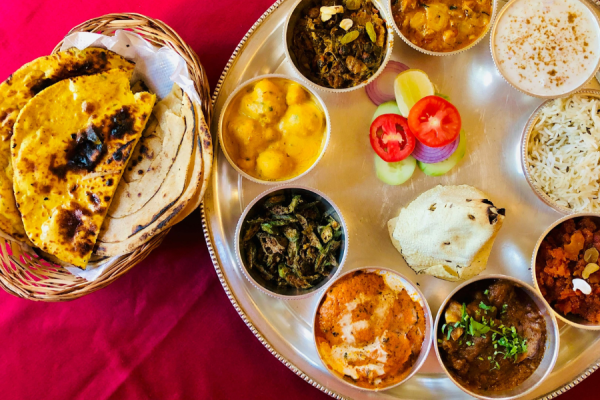
Indian cuisine is rich in spices and diverse flavors. North Indian dishes, particularly those from Rajasthan, often feature various types of roti or flatbreads. You'll also find an array of delightful seasonal fruits and tempting street food, though it's best to enjoy street food with caution. Vegetarian options are abundant and cater to a wide range of preferences. Be sure to bring your own water tumbler. Water will be available at your lodging and worksite or can be purchased from local grocery stores. If you opt for a homestay, the home may also have its own filtered water system.
Leisure and Activities
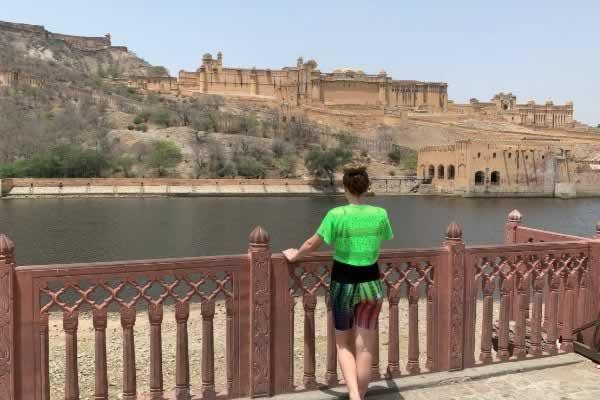
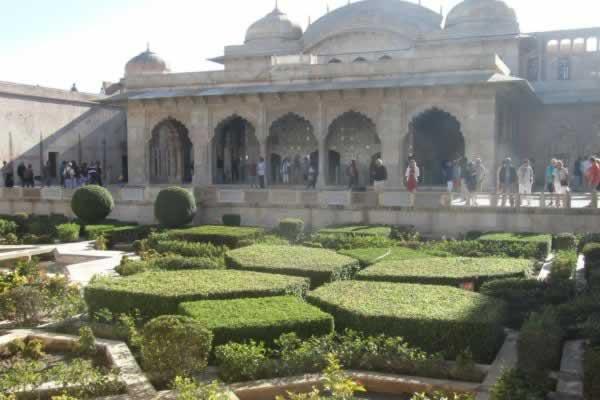
Have dinner with a local family. Enjoy a Bollywood Film in the homeland of this worldwide phenomenon. Take a visit to a traditional artisan factory. Explore the city markets of Jaipur, visit the famous Amber Fort. India is a land of stunningly unique sights, sounds, and smells. Even a walk down the street can be an unforgettable experience. As you embed yourself into the local community and your work project you will have ample time to enjoy these and other cultural activities.
Arranging Your Airfare
Jaipur Airport (JAI/VIJP) is situated in the satellite town of Sanganer and offers sporadic (chartered) service to London and Dublin. Flights to Singapore and Bangkok are available via Delhi. Direct flights to Sharjah, Muscat and Dubai are also available. Jaipur also has daily domestic air links with many Indian cities such as Jodhpur, Udaipur, Aurangabad, Delhi, Hyderabad, Kolkata, Goa, Chennai, Ahmedabad, Bangalore, Mumbai and Indore. Globe Aware volunteers will find it simpler to fly into one of these cities and make a connecting domestic flight to Jaipur. One plus point for those flying out of Delhi is that the Delhi airport is close to the highway, so you could reach the airport without entering the city.
The most popular way to travel to Jaipur from Delhi, is by plane. There are a myriad of low budget airlines that fly daily back and forth between the two cities.
Safety and Security
Jaipur is a safe city accustomed to visitors from around the world. You may encounter youths on motorbikes claiming that Westerners are unwilling to engage with the Indian people. They might say "Why don't tourists want to talk to me", or "I am a student, I want to learn about your culture". This is occasionally a segue into a common scam in this part of India, the "gem scam." It involves the purchase of fake stones for resale, a supposed scheme to bypass Indian tax laws, or a host of other machinations. As a general rule, do not accept tea from strangers, but in addition be wary of any who invite you to talk in secluded areas. For your own sake, you will want to stay out of the precious gem business in Jaipur. There have been reports of smugglers trying to entice travelers to assist in smuggling items. Under no circumstances accept - smuggling is a major criminal act. In all these cases, exercise general caution and never fear to ask your coordinator for assistance or clarification of a given situation.
PLEASE NOTE:
Possession of satellite phones and other GPS devices is strictly prohibited in India and may lead to detention, fines, or arrest. American Citizen Services at the U.S. Embassy and Consulates in India have encountered multiple cases involving U.S. citizens traveling to or within India with satellite phones or GPS devices, resulting in detention and significant fines upon entry, exit, or during their visit.
-
Laos
WILDLIFE CONSERVATION IN LAOS
-Please note that unlike most of our other programs, this one runs Sunday to Sunday. If you need to leave a day earlier, private transport at an additional cost can be arranged.
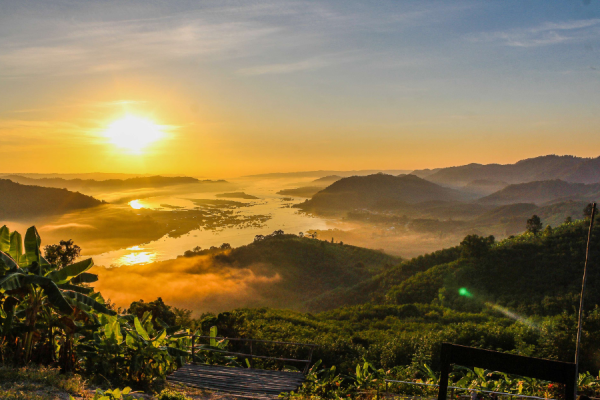
-Volunteers must be a minimum of 18 years of age. Volunteers under 18 years old can join this program with a parent or guardian but must receive approval from the center’s administration beforehand. Please let us know first if you plan to bring anyone under 18 with you.Laos is a beautiful, tropical, and mostly untouched country that is becoming an up-and-coming destination for travelers looking for an authentic taste of Southeast Asia, due to this, the rewards here are plentiful. It may not be as developed as neighbouring Thailand or Vietnam, though this is exactly Laos' uniqueness and charm. Laos is a relatively safe country to travel to, with a slow and laid-back lifestyle, or Ȋ Bor Pen Nyangȋ as the locals say, "No worries!
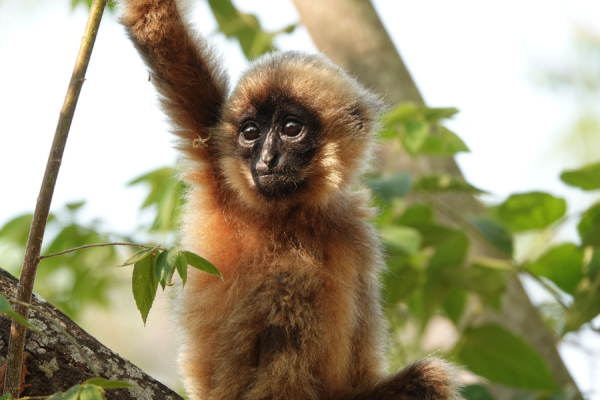
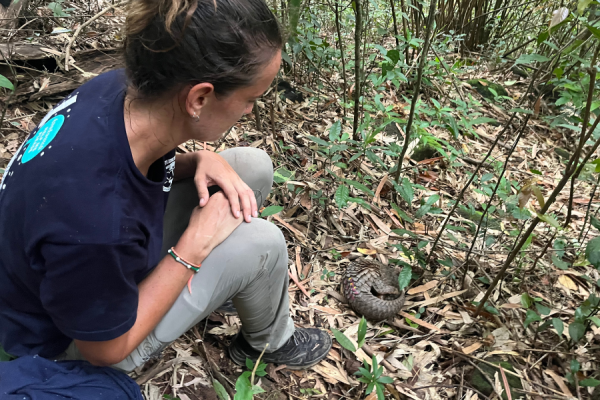
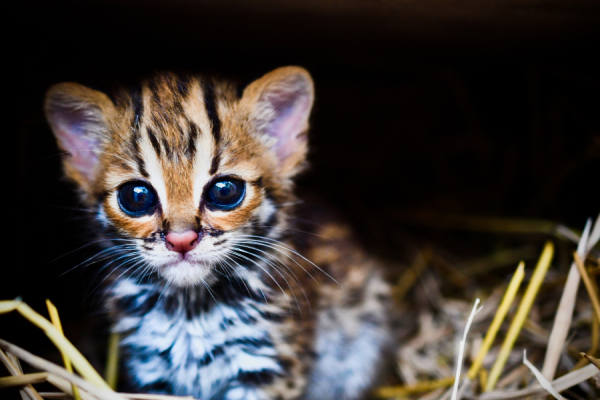
Laos is sadly one of the major gateways of the illegal wildlife trade from Southeast Asia. There are thought to be thousands of protected wild animals and their parts being smuggled in and out of the country every month. Therefore, having a facility in Laos to combat this illicit activity directly is very important.
One of the aims of this program is to improve the conditions for animals currently in the Laos Zoo and help with the zoo’s complete transformation into a wildlife rescue center. Recently, the project site has relocated to a brand-new location, where you'll contribute to its development—work that will directly impact the care of over 400 animals residing there.
PROJECTS
Your daily schedule will be packed with a mix of the projects listed below. If the center needs a particular project to be completed, you will be picking up where the last volunteers left it.
ENRICHMENT
Enrichment is precisely what it sounds like: a way to enrich the lives of our animals and stimulate them mentally and/or physically by providing activities to work on throughout the day. Many long-term resident animals spent many years without any mental or physical stimulation.
Enrichment is an essential part of any animal's routine. It helps prevent boredom and stress behaviours and helps elicit natural behaviours from animals. Enrichment can be critical in wildlife rehabilitation and preparation for life back in the wild. It can be tailored to challenge certain animals to complete specific tasks to survive in the wild.
As a volunteer, you may work on various enrichment tasks for our animals, and staff always encourage fresh ideas to create new enrichment that we can add to our routine.
Challenging our animals and making them think through new problems is important to keep their welfare quality high.
CONSTRUCTION
The center is transitioning, and we have the exciting opportunity to build new enclosures and facilities that reflect 21st-century animal care and conservation principles.
Working with the on-site construction team of local staff, volunteers will get to leave their imprint for years to come as you help build new enclosures and environmental enrichment.
Please note: The center has established strict rules and guidelines that are taken very seriously. You will be asked to leave without a refund if you violate any of them.
FOOD AND LODGING
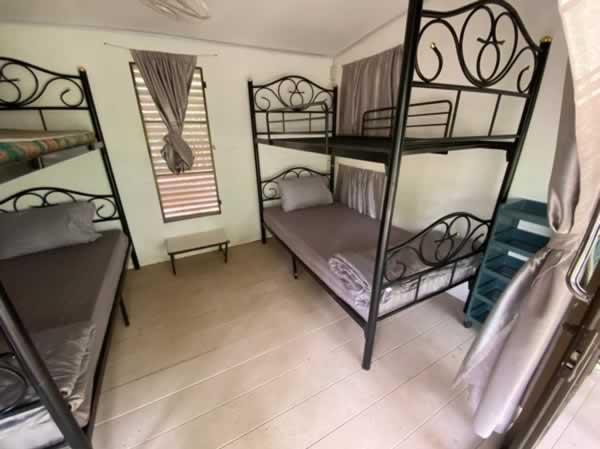
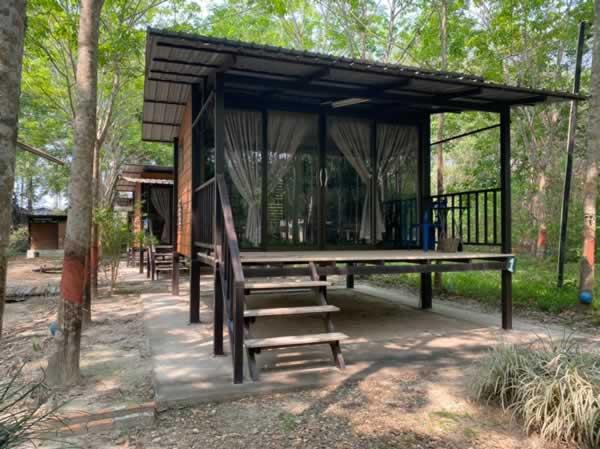
Five beautiful bungalows are available for volunteers, and they are nestled under the trees. The bungalows house two people maximum per bungalow. The bungalows are maintained as single-sex rooms, with the exceptions of couples, friends, and families, but this is not always possible due to the capacity for volunteers.
Bungalows have electrical outlets, fans, and screened windows for mosquito control. Each bungalow also has a hammock for lounging on the peaceful front porch.
Fresh bed linen is provided when you arrive. The shower and toilet blocks are unisex and fitted with Western-style toilets and hot water showers. During your stay, you look after their own space by keeping your area tidy and rooms swept. Note that there are designated quiet hours.
Remember that you will be in a rural area of Laos and that encountering animals and insects inside and outside will be inevitable.
All your meals are vegetarian and provided during your stay; lunch and dinner are hot meals delivered, and breakfast materials are provided for you to eat/prepare. Clean drinking water is also offered in several locations on-site.
LEISURE
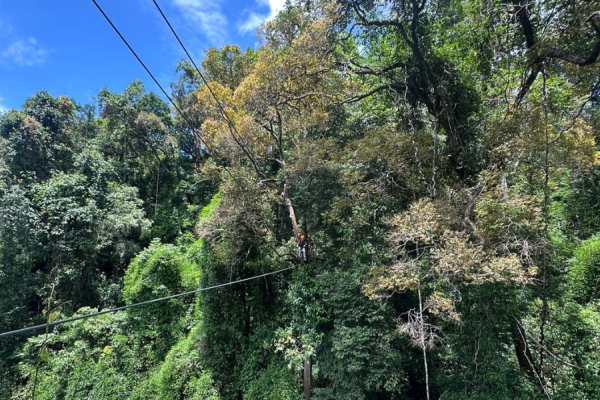
The rescue center is in a rural location in Laos, and you will be living in an authentic Lao setting. After work hours, volunteers can socialize at the volunteer house. The center is situated next to an ecotourism attraction. Volunteers can swim, hike in the National Park, do ecotour activities, play games, drink a few drinks, and relax. Activities such as zipline and trekking are also available ( for an additional fee).
Lao Pii Mai, the Laos New Year, lasts two weeks at the start of April. This is the biggest festival, celebrated all around the country.
VISA AND ARRIVAL
You'll be flying into Wattay International Airport. The airport is one of a few international airports in Laos and the country's main international gateway, serving the capital Vientiane, located 3 km outside of the city center.
Pick-up Details
Pick-up from the airport or your hotel is provided from 10 AM to 11 AM on Sunday. If your flight arrives on Saturday, you should book a hotel room for the night in Vientiane City and be picked up the following morning.
Drop-off details
When the coordinators leave to pick up new volunteers on Sunday, they will take those volunteers who need to go to Vientiane with them at 8:00 am. Unlike most other programs, please note that this one runs from Sunday to Sunday. If you need to leave a day earlier, private transport to the airport at an additional cost can be arranged for $60.
To enter Laos, your passport must have six months' validity. You may be required to show a return ticket if travelling overland. It is wise to procure a travel itinerary to avoid problems; these may be asked for on rare occasions. Most nationalities can obtain a 30-day visa e-visa or a visa on arrival at road, river, and air borders to enter Laos.
Bring two passport-sized photographs with you for the visa. To volunteer in Laos, volunteers only need a tourist visa. You do not need to apply for a unique volunteering or work visa. Check specific requirements for your nationality online or with the consulate in your home country before you arrive, as there is some variation, including cost. A visa on arrival costs approximately $40 USD. Depending on your nationality, this can be more or less. Once again, check before arrival. Please bring crisp bills without tears, marks, or bends to pay for your visa. Immigration checkpoints will not accept any bills that are not pristine.
SAFETY
At the very least, we recommend all volunteers have their DTP (Diphtheria, Tetanus, and Polio) vaccinations up to date. It is best to schedule an appointment up to three months before you leave, as some vaccinations may need to be administered over multiple appointments or weeks. You are also recommended to take a rabies pre-exposure vaccination as a preventative.
Vaccines are available at the international hospital in Vientiane in case of on-site incidents. The health and safety of our volunteers are essential to us, and we take all possible precautions to ensure no accidents.
Do not buy or use any illegal substances. The penalty in Laos is severe. Exercise general caution, and feel free to ask your coordinator for assistance or clarification of a given situation. Heavy drinking may also result in you being asked to leave the center.
Be cautious with alcoholic drinks when purchased or given freely, even if they are sealed. If you start feeling unwell, notify the staff immediately.
-
Mystic Nepal
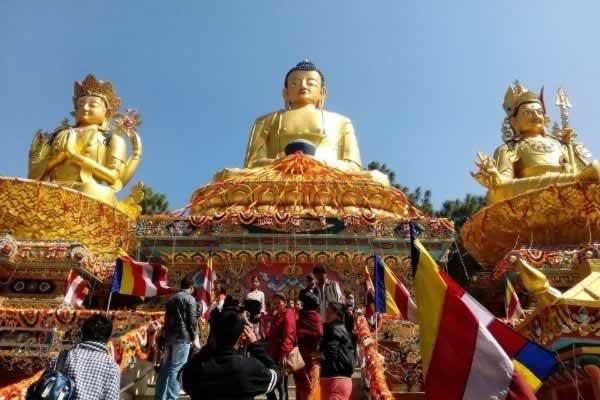
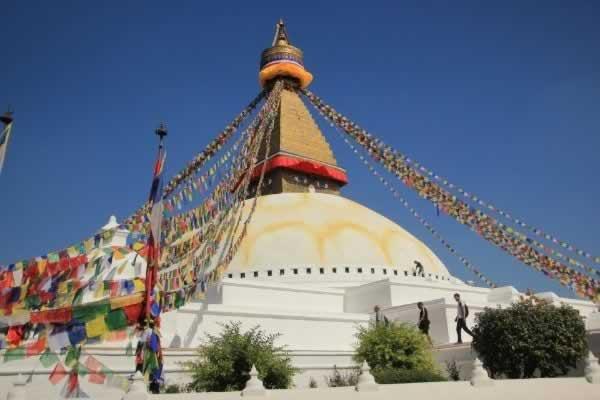
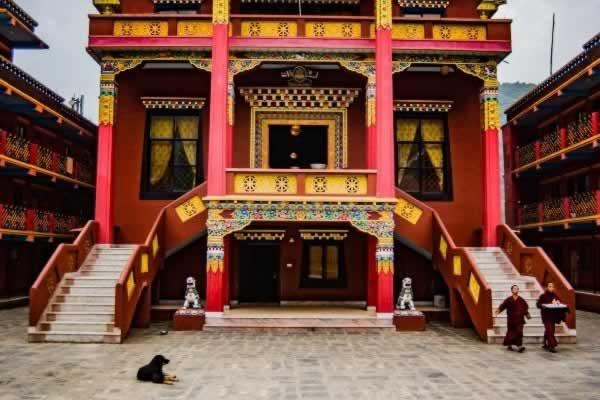
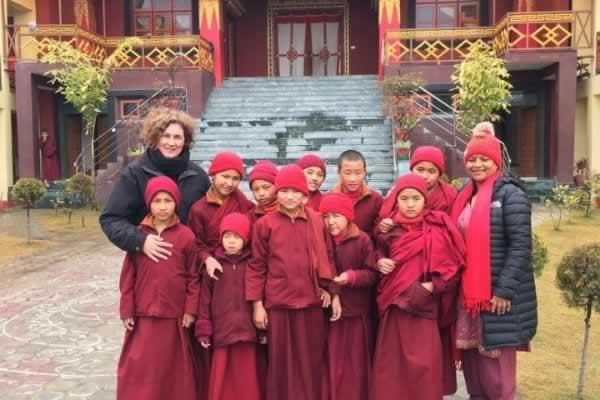
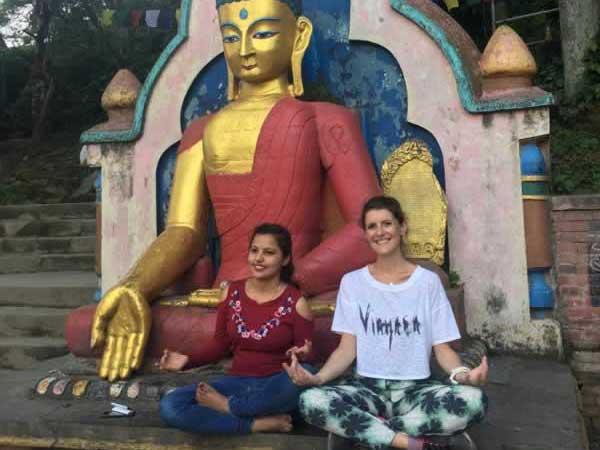
If you wish to be totally immersed in the Buddhist way of life, then this is the right volunteer vacation for you. This is the perfect project site to UNPLUG from the rest of the world! You will be largely independent in your volunteer work, and in charge of your own classes at a monastery in the beautiful town of Pharping. Be prepared for high altitudes and underdeveloped roads, but also majestic views and unique experiences.Buddhism in Nepal is the second-largest religion and is home to major Buddhist monuments and monasteries. Every year, travelers visit the Buddha Stupa Boudhanath and the Swyambhu Maha Chaitya Swayambhunath stupas, famous architectural sites found only in Nepal.
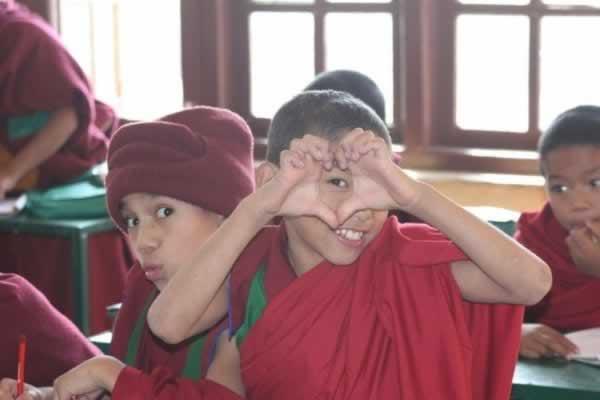
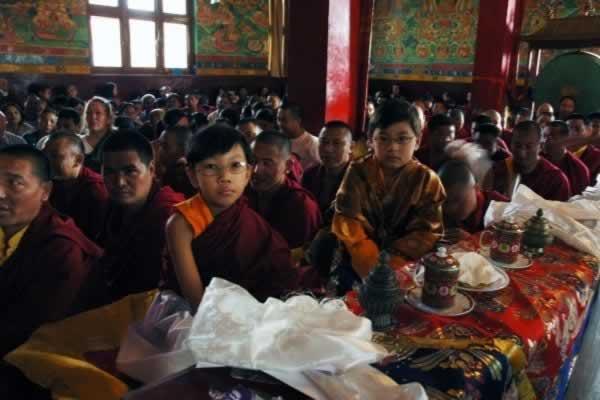
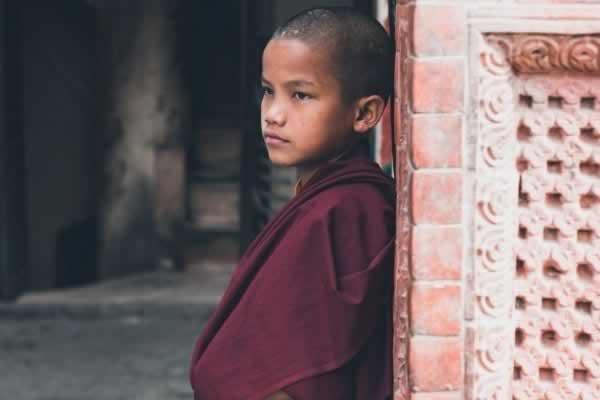
Nepal has many spectacular Buddhist monasteries. Hundreds of monks are trained from a young age and raised inside their peaceful walls, where they mostly use the Tibetan language in their studies, having limited chances to learn English. These monasteries are welcoming places following Buddhist philosophy and are open to international visitors. A week here is the perfect volunteer vacation for those interested in an immersive cultural experience centered on spirituality and learning.
Your project location is in Pharping town, 23km outside of the capital city of Kathmandu. Infrastructure and roads are still in development and the altitude is high, which may cause motion sickness for some of our volunteers. However, once you've reached it, you'll experience majestic views, popular hiking trails, and serene monasteries.
PROJECT WORK
Volunteers land in Kathmandu on Sunday and spend one night at a city hotel. Monday morning, you are taken to the monastery to begin your volunteer vacation week. If you have chosen to stay at the monastery, this will also be when you are placed in your rooms.
You will have two coordinators throughout your volunteer vacation week. Your main point of contact will be your Globe Aware coordinator, with which you must have WhatsApp to communicate with them. Your second coordinator is a designated monk at the monastery who will help you settle in. However, they will not be aware of your Globe Aware schedule, and will not be assisting in the classrooms. Please understand that the monks have their own duties to perform. If you have questions, want more volunteer work, etc., always contact your Globe Aware coordinator first.
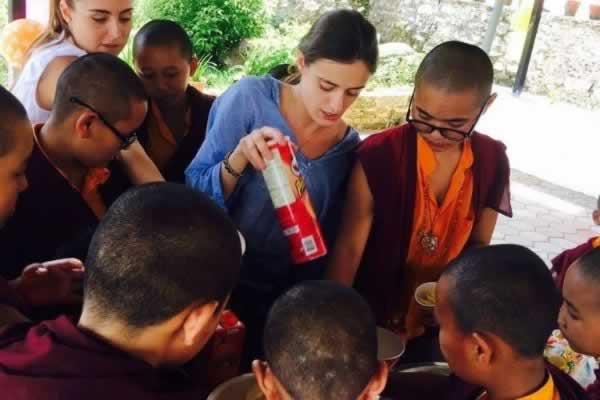
You will spend the week at the monastery doing cultural activities and exploring your surroundings. Your volunteer teaching time will ideally be around 4-5 hours daily, however, the volunteer work is largely independent, so you will have to be proactive with lesson planning and teaching. We recommend you prepare some arts & crafts, lesson plans, and games ahead of time. Bring sports equipment if you can, and play soccer with the children.
This is a unique volunteering experience in which you will be mostly in charge of the classroom and what the children learn. The children are usually around 7 to 14 years old and are excited and eager to learn! Occasionally there may be a small renovation and or cleaning projects at the monastery.
You may feel like you aren't making a dramatic difference in their lives, but providing interactions, global perspectives, and building new friendships make a world of difference for these developing young minds. There's a reason these monasteries welcome international volunteers to come and stay with them. You will also be learning Buddhist philosophy, practices, and traditions, and joining in on celebrations!
Please understand that it is a true privilege for the monasteries to host volunteers, so we take all rules very seriously and ask that our volunteers do the same, for the safety of the children who call the monastery their home.
Important Note: We highly recommend the monastery stay, as it is such a unique experience. If you choose the hotel stay, please note that it will be an additional 20-40 minutes drive back and forth from the project site daily.
FOOD AND LODGING
All meals are included.
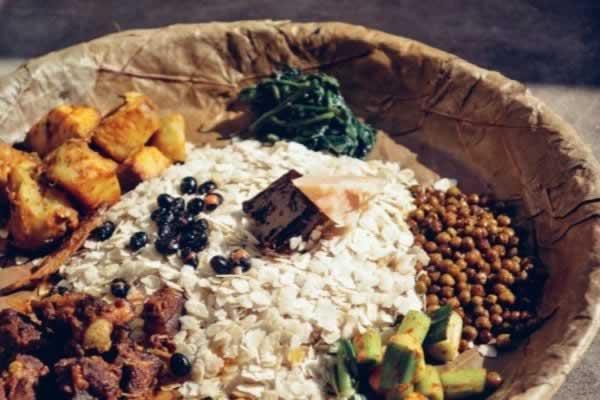
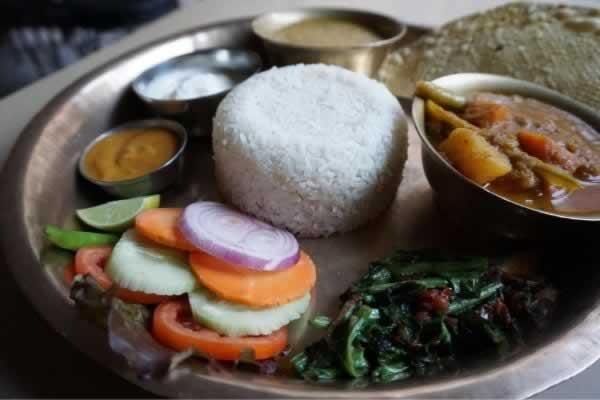
Nepali cuisine is heavily influenced by India, China, and Tibet, adding an authentic culinary twist. Expect meals of rice, flatbreads, and side dishes. Beef is generally not eaten or requested.
If you are staying at the monastery, your meals will be simple, such as flatbread and tea in the morning for breakfast. Volunteers staying at the hotel will have a Nepali lunch at the monastery.
Please pack any snacks, condiments, and beverages you will miss during your stay. No alcohol is allowed on monastery grounds. It is also advised to not pack or consume any meat products on monastery grounds.
Our Mystic Nepal program offers you the chance to live at the monastery during your week!
Monastery
There are usually four rooms at each monastery, two rooms with two single beds and two rooms with three single beds. Toilets are available in the common area, but we can not guarantee they are Western styles. Internet facilities are available, although the signal may be weak. For hot water, electric kettles are available to heat bathing water in the wintertime ( which starts in October and ends in February). Heaters are also available upon request.
Important: It can feel very cold for our volunteers during the winter season. Monasteries can provide one or two very basic heaters, which may not be enough. Please pack warm jackets, comfortable walking/hiking shoes, thermal wear, thick socks, gloves, and hats. For the summer, please pack comfortable clothing, and jackets for evenings that may get chilly.
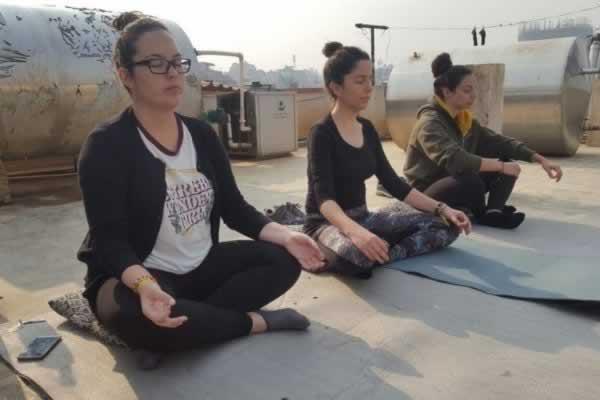
It's also important to note there is usually a strict evening curfew at the monasteries, which volunteers have to follow. You may see there are classes such as yoga being held by the monks as early as 5 am, we ask that you respect the monastery if you are not allowed to join in. Your Globe Aware coordinator can arrange a yoga session for you if an instructor is available. There are also meditation and chanting sessions held by the monks, which volunteers have been invited to join.
*It is important to note, that if you choose the monastery stay, the expectation is that you will stay the entire week. Some mornings may require you to wake up as early as 5 am to help the children prepare for the day, and rooms are extremely basic. If you wish to be totally immersed in the Buddhist way of life, then this option is right for you! Please respect the rules of the monastery, Globe Aware and your coordinator can not change any rules or regulations the monastery may have in place.
The monasteries do not allow opposite genders to reside or teach on their grounds. However, some boys' monasteries allow women. Groups with mixed company may be separated and teach at different monasteries, although we will work with the monastery to try and have all volunteers together. A group is limited to 10 volunteers.
In addition, your Globe Aware coordinator can not always enter the grounds with you. So you will be left alone to explore your surroundings.
Any personal excursions will be at an out-of-pocket cost.
Hotel
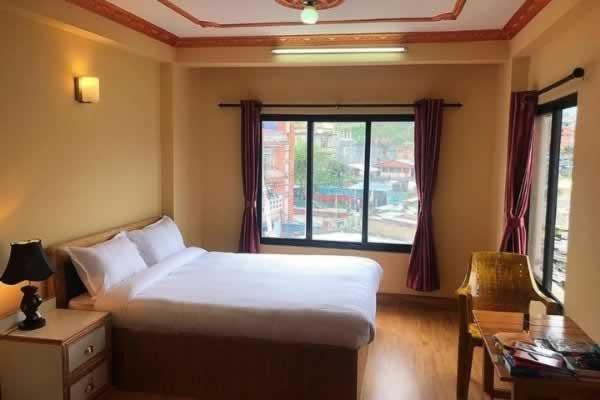
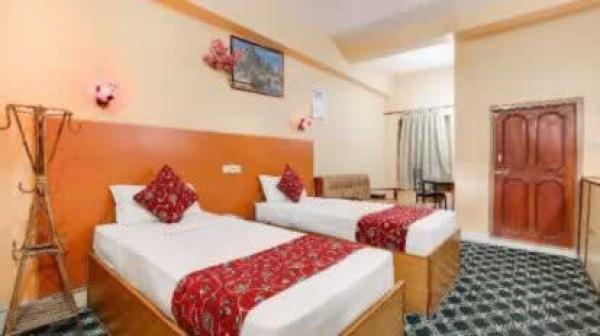
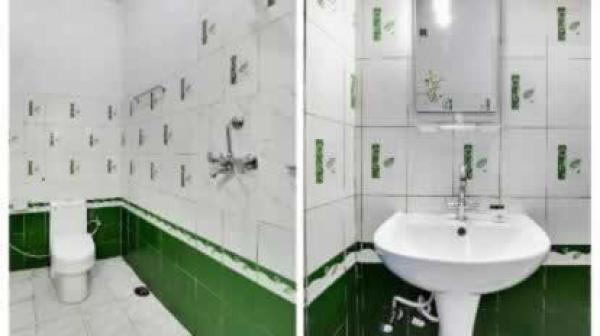
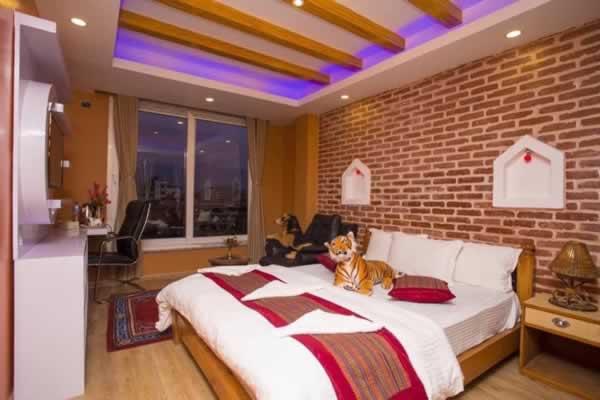
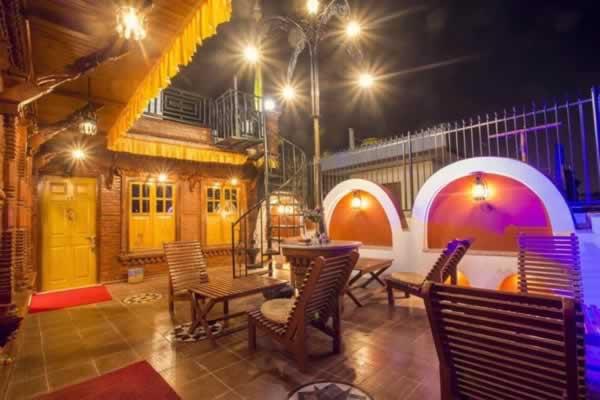
Your hotel in Kathmandu will be a 3-star or equivalent hotel. Two people can share a room; however, you can book a private room for an additional price of $279. Please inform us ahead, so that we can book the private room for you. Rooms will have running water and western toilets. If you choose a hotel, there is no curfew after you have completed your day volunteering and exploring. Do not be alarmed by the occasional power blackout and spotty hotel wi-fi.
A taxi will be arranged for your daily transportation to the project site, however, this will take away 20-40 minutes of your time back and forth from the site. Requesting a taxi for anything else will be an out-of-pocket cost.
You can purchase a sim card upon arrival in Nepal, with the help of the coordinator, which is highly recommended. Transportation will be provided to and from your project site. Please download WhatsApp in order to communicate with your Globe Aware coordinator.
LEISURE
Your week will also include:
- Nepali language workshop.
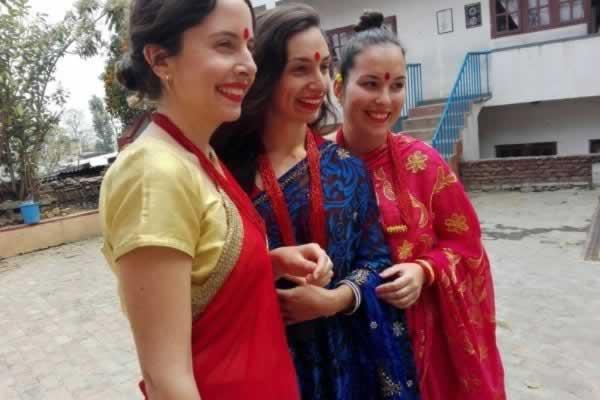
- Nepali dress workshop.
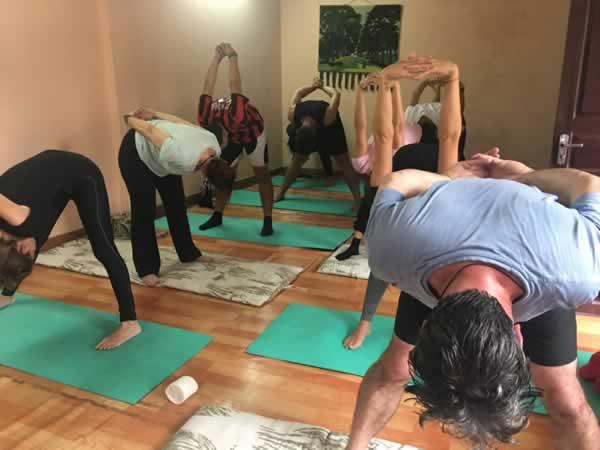
- Yoga workshop if requested.
- You can join the monks for early meditation and chanting ( usually as early as 5 am) if you are at the monastery.
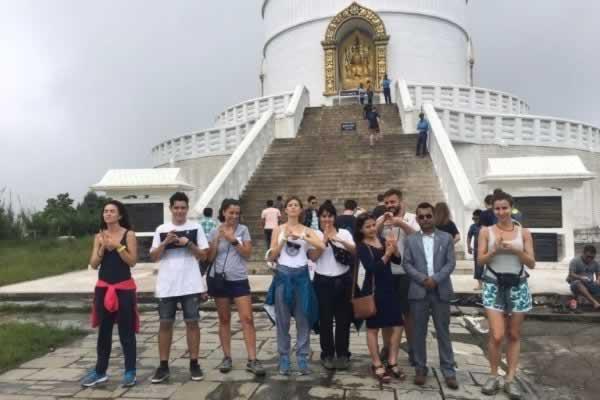
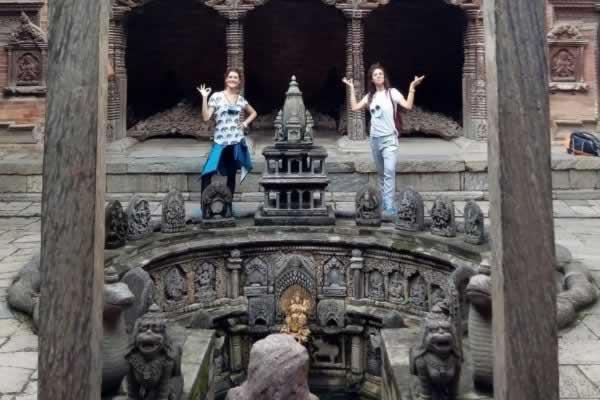
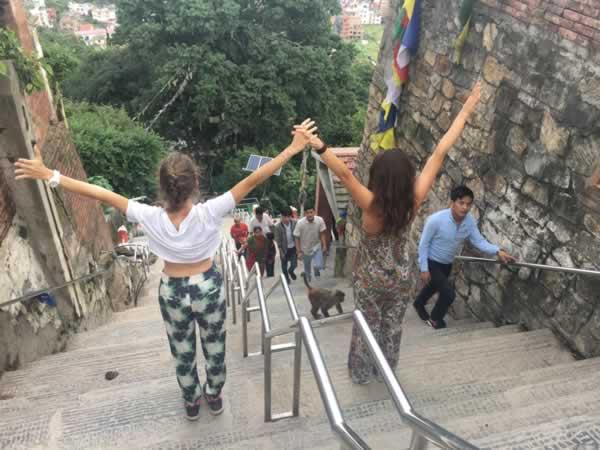
- Kathmandu sightseeing of famous Buddhist monuments.
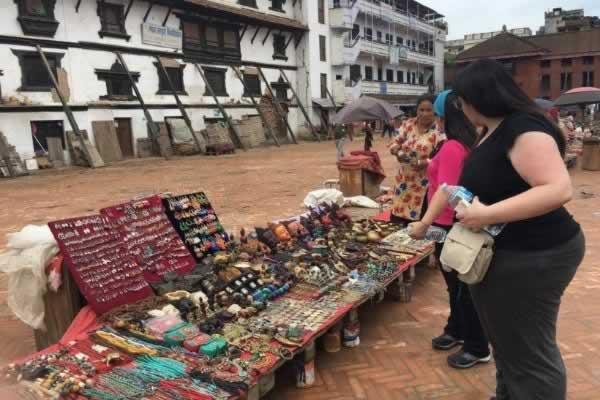
- Free time to shop in Thamel market, in the heart of Kathmandu.
If you would like to see some additional monuments or sites in or around Kathmandu, please contact us ahead of time, so we can plan with our coordinators for an additional out-of-pocket cost. Please be understanding of any potential weather and time constraints.
If you plan on any hiking excursions, please speak to your Globe Aware coordinator first so they can check on the conditions of the trail and its accessibility.
Please understand we schedule any leisure activities in accordance to the monastery's guidelines. Activities are scheduled on certain days and times for a reason.
Due to the rising cost of transportation in Nepal, any additional requests for taxis are a personal out-of-pocket cost.
ARRIVAL AND DEPARTURE
You will be landing and departing from Tribhuvan International airport in Kathmandu. Upon arrival, you will meet your Globe Aware coordinator and be dropped off at your accommodations, where you can catch up on some rest. If you have chosen the monastery stay, you will be transported to the monastery the following day. Your Globe Aware coordinator will assist with dropping you off for departure at the end of the volunteer vacation week.
You will need to apply for a visa to gain entry into Nepal.
SAFETY AND SECURITY
Nepal has a low crime rate; however, you should take sensible precautions. Watch out for pick-pocket purse-snatchers, particularly in airports, buses, and areas popular with foreign nationals. You should take care when walking around at night, especially if you choose to remain in the city.
The monastery usually has a curfew and is in a more remote setting.
There have been reports of smugglers trying to entice travelers to assist in smuggling items. Under no circumstances accept - smuggling is a criminal act.
Do not buy any illegal substances, the penalty in Nepal is severe. Exercise general caution and feel free to ask your Globe Aware coordinator for assistance or clarification of a given situation.
-
Nirvana in Nepal
Nirvana in Nepal
THIS IS A SUNDAY-TO-SATURDAY PROGRAM
Nepal can be described as nirvana, the birthplace of Buddha, and home to Mount Everest, this small country offers everything an adventurer could dream of. Nepal is situated between India to the south, and China to the north, with a sub-tropical climate and no seasonal constraint. Once a sovereign monarchy, the country is also rich with a multi-religious history and heritage.
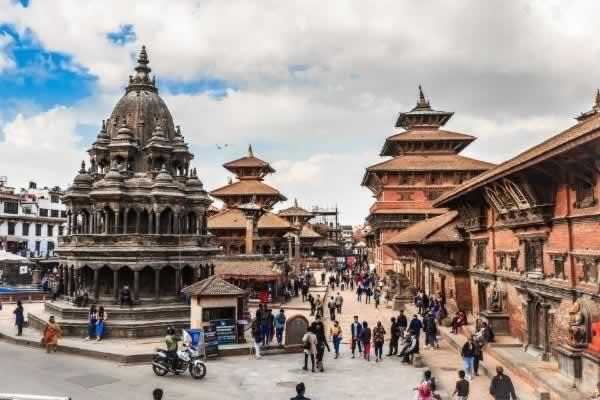
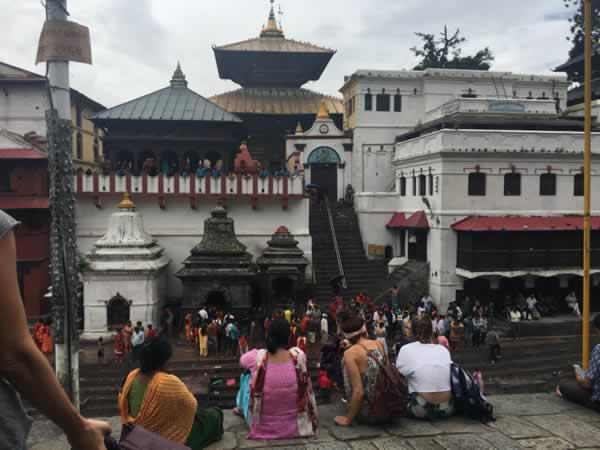
Even after the 2015 earthquake, Nepal remains a cultural powerhouse, offering ancient palaces, hidden shrines, and beautiful temple art. Nepal is also a great place to learn about everything from Tibetan Buddhism to eating delicious momos (vegetables and/or meat dumplings).
Globe Aware's Nepal program takes place in the vibrant capital of Kathmandu. You'll have a full schedule, balancing volunteer work at a local school with exciting city exploration!
PROJECTS
Teaching and Renovations
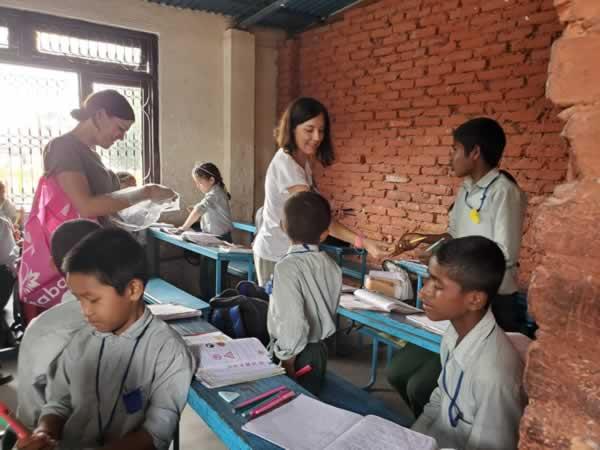
Volunteers will work in a suburban school. These suburban schools were developed to provide free or near-to-free education to children below the poverty line. You will help teach subjects like English, Art, Music and more. You can also provide tutoring to students with learning difficulties, help them learn essential problem-solving skills, and help build their confidence by playing sports and games.
Nepal's education quality is heavily affected by a lack of teachers and the children's attendance. You'll find many of the children at home, providing an extra pair of hands when it comes to labor or earning an additional income for the family. The schools that are provided for low-income families do not have updated resources and materials. To improve the current situation, your volunteering efforts can encourage students to come to class and participate, learn new skills, and take an interest in new hobbies, opening their world and leaving a positive impact.
Please take note you may not always interact with the school children during the holiday season (changes yearly based on the calendar). In this case, your primary volunteer project will be in renovating a school or childcare facility. You will enjoy daily interactions with the community and friendly staff.
FOOD AND LODGING
Several hotels of similar quality will be available for housing volunteers. Your time in Kathmandu will be at a 3-star or equivalent hotel. Two people will share a room; however, you can have a private room for an additional $279.
Please let us know ahead of time so that we can book a private room for you. Rooms will have running water and western toilets; however, you may need to supply your toilet paper.
Please don't worry about the hotel's spotty Wi-Fi. Most hotels also have filtered water to fill your canteen bottle. Transportation to and from your project site will be provided, but it will usually be a walkable distance.
Breakfast, lunch, and dinner are included during your week with Globe Aware. Nepali cuisine is heavily influenced by India, China, and Tibet, adding an authentic culinary twist. Expect meals of rice, flatbreads, and a variety of side dishes. Meals provided will be vegetarian. Please be careful when ordering street food items, and just use your better judgment. Make sure to carry a water canteen with you.
LEISURE
Your week will include:
- Nepali language workshop.
- Nepali dress workshop.
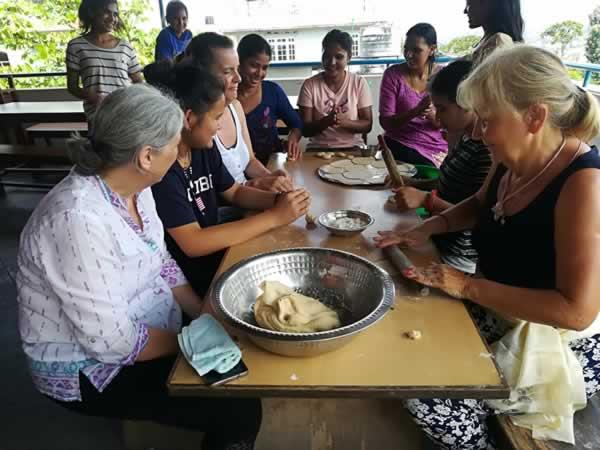
- Nepali cooking workshop.
- Kathmandu sightseeing of famous Hindu temples and Buddhist monuments.
- Free time to shop in Thamel market, in the heart of Kathmandu.
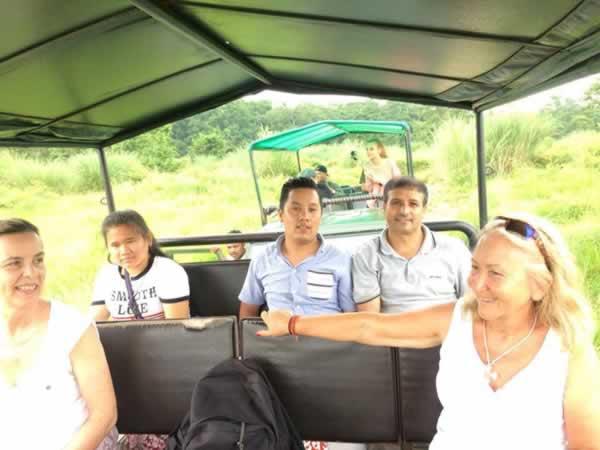
- If you're interested, a jungle safari at Chitwan National Park with an English-speaking guide can be arranged separately, at the end of your volunteer vacation week. This is separate from Globe Aware. A minimum of two volunteers is required. Please let us know in advance if you'd like to participate. Pricing can vary on the season and transportation availability.
In April 2023 a law was passed banning solo trekking for foreigners. If you are considering any hiking/trekking during your volunteer vacation week, please plan accordingly. We currently do not offer services in helping to procure a guide for hiking/trekking. This is your own additional out-of-pocket cost.
ARRIVAL AND DEPARTURE
After landing at Tribhuvan International Airport in Kathmandu, you will meet with your Globe Aware coordinator and be taken to your hotel. At the end of the program, you will then be dropped off at the airport on your departure date.
SAFETY AND SECURITY
Nepal has a low serious crime rate; however, you should take sensible precautions. Watch out for any pick-pockets and purse-snatchers, particularly in airports, on buses, and in areas popular with foreign nationals. You should also take care when walking around at night.
There have been reports of smugglers trying to entice travelers to assist in smuggling items. Under no circumstances accept - smuggling is a major criminal act. Do not buy any illegal substances, the penalty in Nepal is severe. Exercise general caution and feel free to ask your coordinator for assistance or clarification of a given situation. You will need to apply for a visa in order to gain entry into Nepal.
-
Philippines
The Philippines has 7,640 Islands, 2,000 of which are inhabited. There are three major islands in the Philippines: Luzon is the largest, followed by Mindanao and Visayas. The country is endowed with a plethora of beauty and natural resources, mega-cities, volcanoes, beaches and rice fields, but it is also a land of startling poverty. The culture here is incredibly unique relative to any of its closest geographic neighbors. Our program site is in the province of Nueva Ecija, about 100 miles from Manila. In 1896, Nueva Ecija became one of the first provinces to revolt against Spain, and one of the provinces who declared its independence in 1898. Poverty was the only reason why Nueva Ecija was not given recognition as a separate country from the Philippines by the King of Spain in 1840s.The people of this community are neglected and marginalized in terms of social development. As a result, they live in poverty. Women, children, and the disabled bear the effect of massive poverty, and it is to this particularly needy population that we direct our efforts.
WORK PROJECT
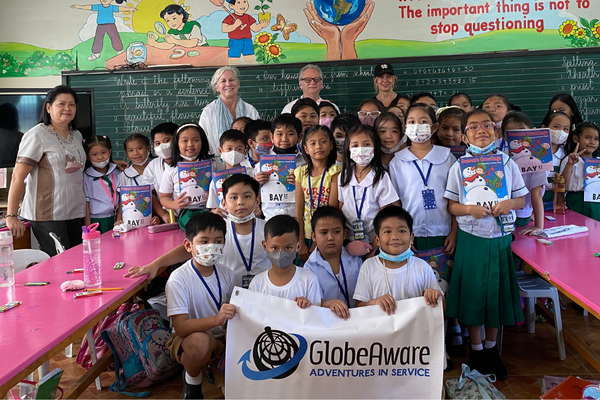
Our program seeks to promote the value of “Bayanihan” a Filipino value of working together towards sustainable community development through volunteerism. Our work projects center around these core activities:
- Education assistance for disabled children
- Repair / construction of houses for families of the disabled
- Reforestation
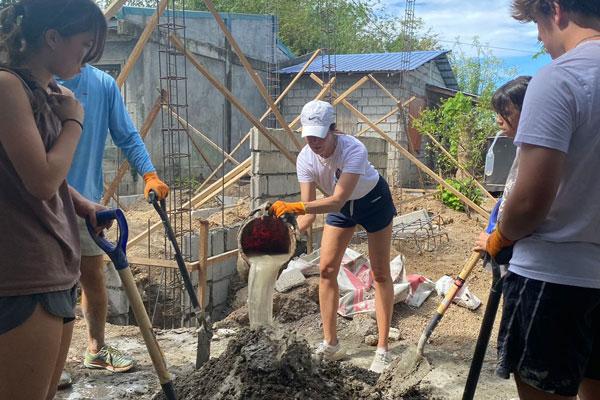
- Repair or construction of basic housing and sanitation buildings
LEISURE ACTIVITIES
Volunteers will be able to participate in various leisure activities while in Nueva Ecija.
- Tour Cabanatuan City and Gapan City. Volunteers will tour important historical sites in each of these cities. This evening activity takes about 3-4 hours (including travel time).
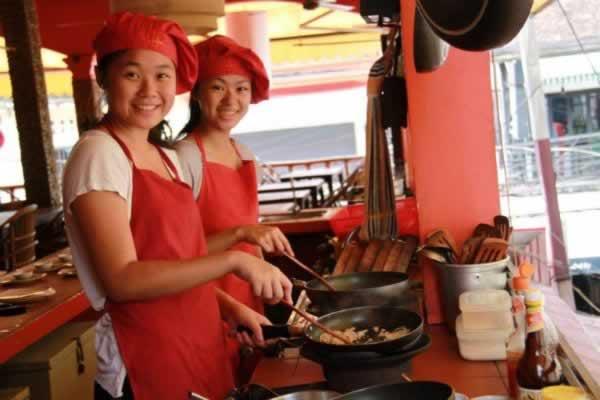
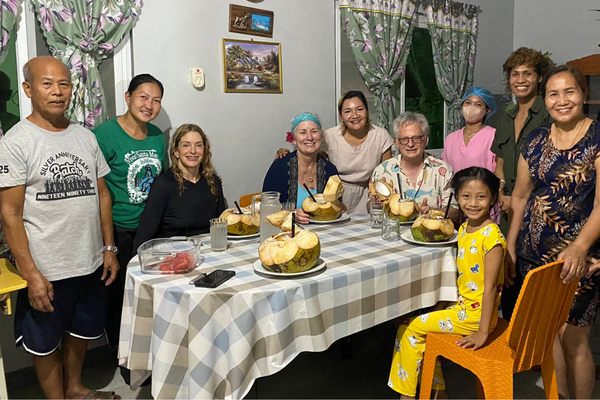
- Volunteers can try making some traditional Filipino dishes or desserts in a class-like setting. The class will be followed by dinner, where volunteers will get to try out all of their creations.
- Volunteers can visit the rice fields and engage in sports like basketball or soccer with local children. Additionally, you might be able to participate in community activities such as Zumba or karaoke.
- Cultural exchange is a large part of every program Globe Aware offers. Volunteers will have an opportunity to meet the different tribes who are living in Bacao. This is a great way to partake in new food, dance, and culture.
-
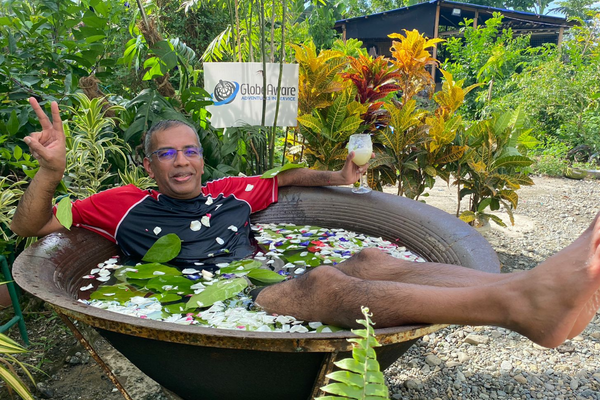
Volunteers can enjoy a kawa bath and explore the local market.
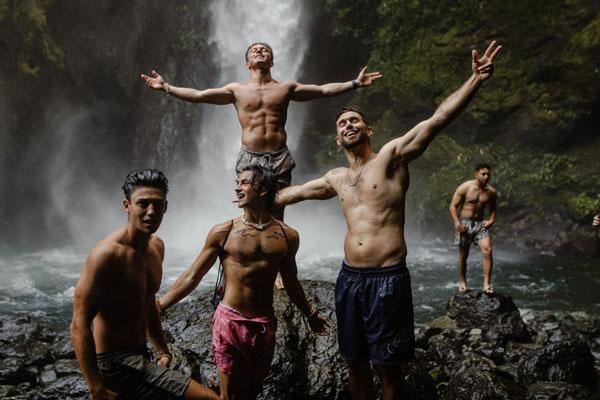
- Large groups of volunteers can explore the Minalungao National Park for hiking and swimming in the river ( depending on the season).
FOOD AND LODGING
Food
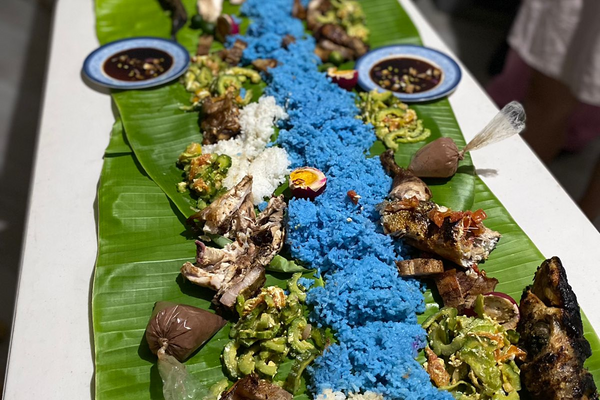
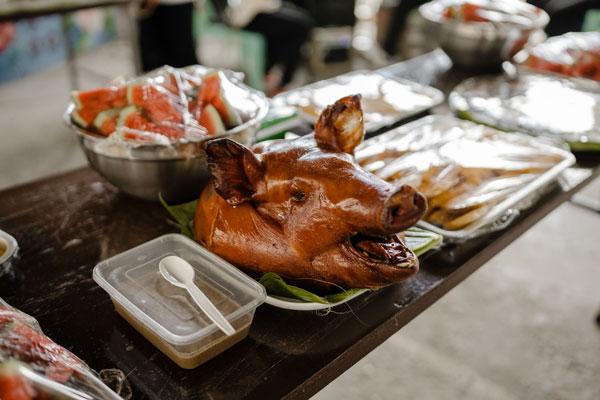
You will be served fresh, simple Filipino meals, which is an incredibly varied cuisine. There are over a hundred distinct ethnolinguistic groups found throughout the Philippine archipelago. A majority of mainstream Filipino dishes that compose Filipino cuisine are from the food traditions of tribes of the archipelago, including the Ilocano, Pangasinan, Kapampangan, Tagalog, Bicolano, Visayan, Chavacanoand Maranao ethnolinguistic groups. The styles of food have evolved over many centuries from a largely indigenous (largely Austronesian) base shared with maritime Southeast Asia with a huge spectrum of various influences from Chinese, Spanishand Americancuisines, in line with the major influence that had enriched the cultures of the archipelago, as well as indigenous ingredients. Dishes range from the very simple, like a meal of fried salted fish and rice, to curries, to complex paellasand cozidos of Iberian origin made for fiestas. Popular dishes include roasted pig, Philippine sausage, cured beef, omelet, adobo(vinegar and soy sauce-based stew), kaldereta(meat stewed in tomato sauce and liver paste), mechado(larded beef in soy and tomato sauce), pochero (beef and bananas in tomato sauce), afritada (chicken or beef and vegetables simmered in tomato sauce), oxtailand vegetables cooked in peanut sauce, kabocha squash, eggplant, beans, okra, and tomato stew, meat or seafood in sour broth), noodles, and lumpia(fresh or fried spring rolls).
Accommodations
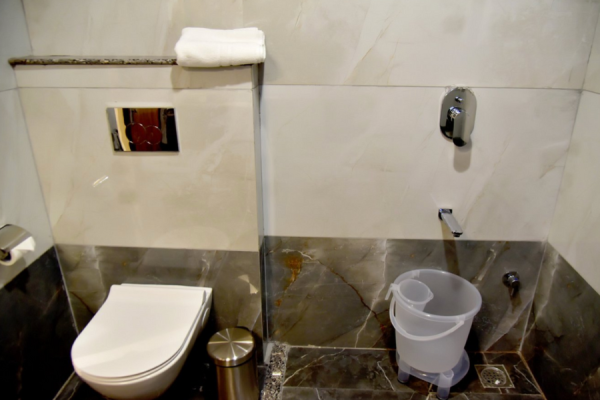
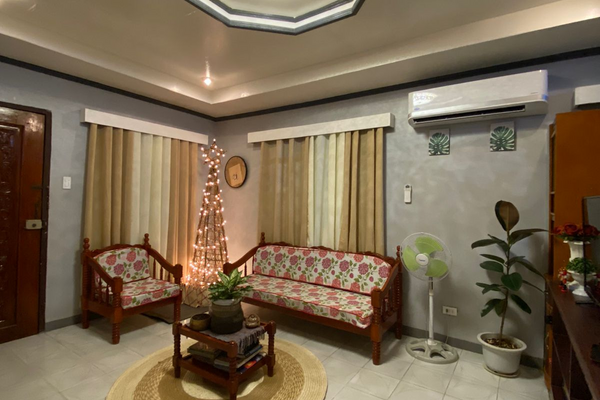
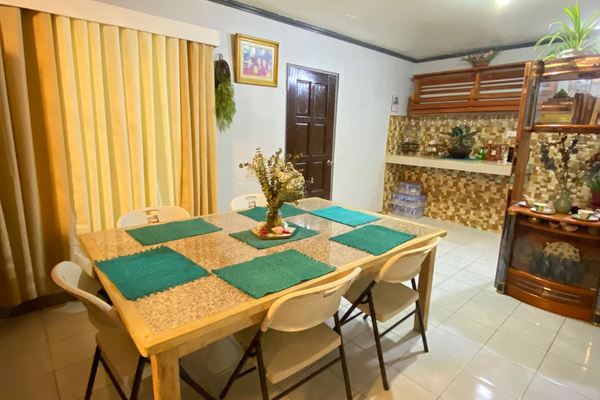
Small groups stay in a home with central air-conditioned, a spacious living room, formal and informal dining rooms, two kitchens, three bedrooms with queen-size beds, and two bathrooms. The house has fairly decent Wi-Fi and a smart TV with access to Netflix. The bathrooms have a warm shower and the kitchen has a refrigerator, air-fryer, blender, and coffee maker. Mid to larger groups are housed in modest hotels with running hot water, flushing toilets, television and wifi.
BOOKING YOUR FLIGHT, ARRIVAL, MEET-UP, AND DEPARTURE
Volunteers fly into the capital city of Manila and are met by our Globe Aware coordinator at the airport.
Unless alternatively arranged, pick-up will be at 12:30 pm on Sunday. If you arrive the night before, we recommend you book a hotel near the airport for ease of pickup. We suggest these options:
* * Manila Airport Hotel (Budget Hotel) http://manilaairporthotel.com.ph/
* * Hyatt City of Dreams (Mid-Range Hotel) http://cityofdreamsmanila.hyatt.com/en/hotel/home.html
Please inform the Globe Aware office at least a week in advance if you will not being picked up directly from the airport.
For departure from the Philippines on the last Saturday of your trip, book your flight leaving 2 p.m. or later. The drive to our program site in Nueva Ecija is approximately four hours.
SAFETY / SECURITY
The Philippines is very rich in culture, customs and traditions. The majority of the inhabitants of Nueva Ecija speaks Tagalog. The good news is, most of the people speak clearly in English. Thus the volunteers will not have any problem in terms of language. There are lots of hospitals in Cabanatuan City so any medical needs of the volunteers can be easily responded to. The Volunteer Coordinator can guide volunteers to where the best to exchange currency. Use common sense by not carrying large sums of money, passports, and bank cards in an easily accessible area should help deter thieves.
-
Thailand
Sustaining Thailand's Treasures
A rare opportunity to live and breathe the beauty of Thailand beyond the mass media stereotype. Take a volunteer vacation and see and participate in how Thais really live and help to preserve Thailand’s native elephant habitat. You will find yourself in one the most unique environments, working to build an ecologically sustainable reforested habitat to give elephants a home. With a volunteer vacation, you can be a part of the solution and help change the fate of elephants in Thailand by creating ways for the people of Surin Province to promote sustainable elephant eco-tourism, preserve their natural habitat and provide an alternative to the current use of elephants as revenue in circuses and street begging operations.
Work Project
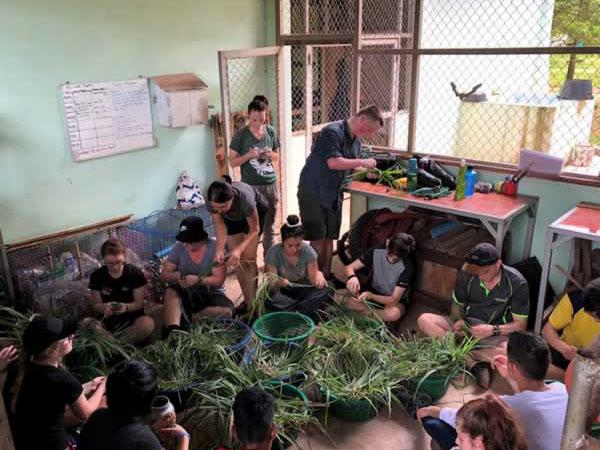
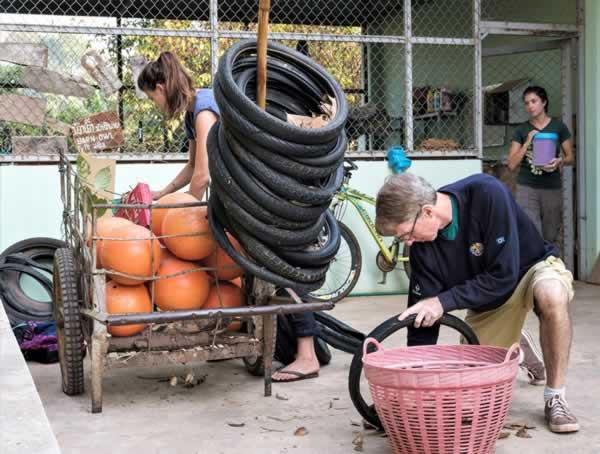
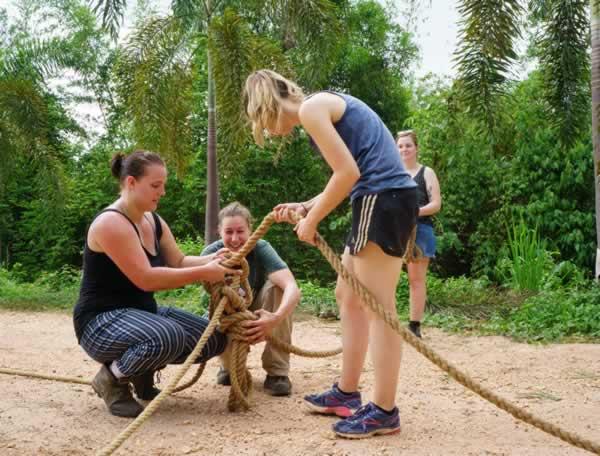
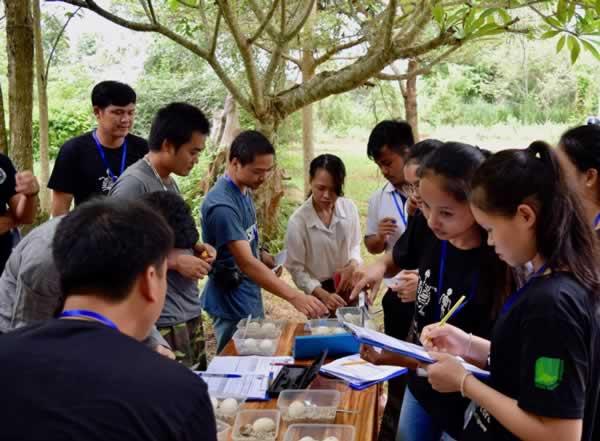
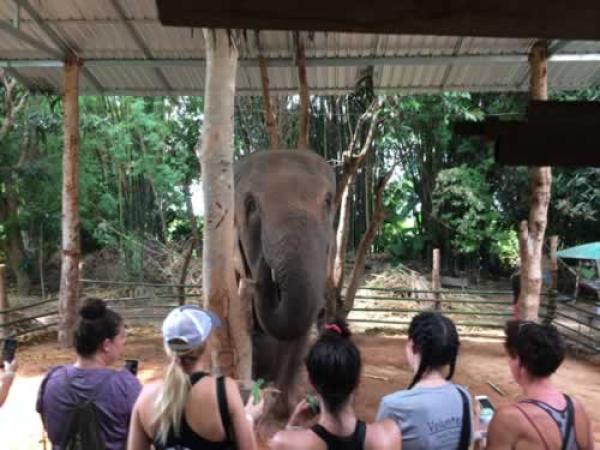
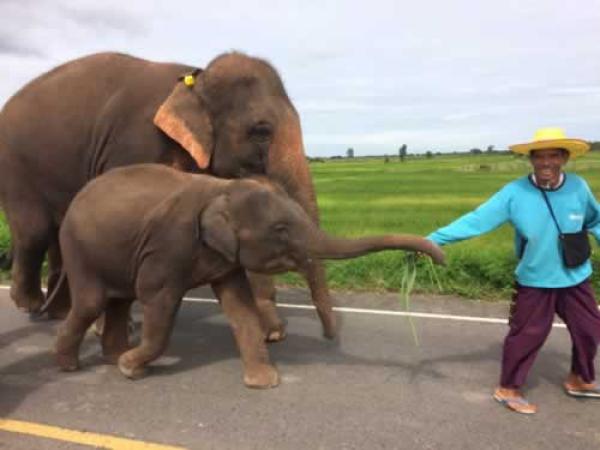
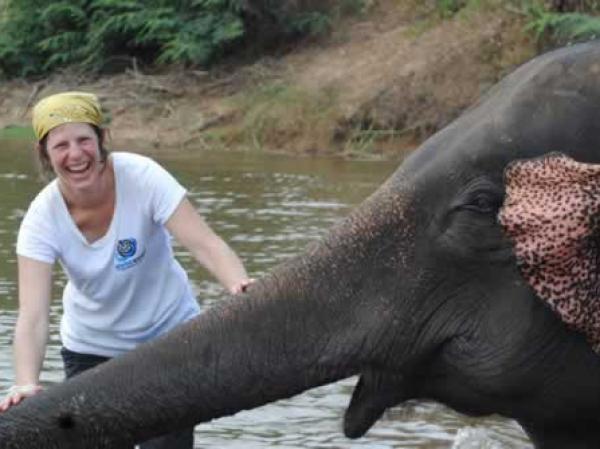
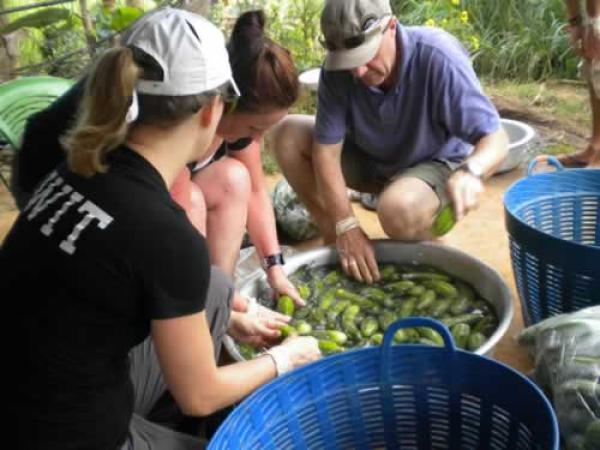
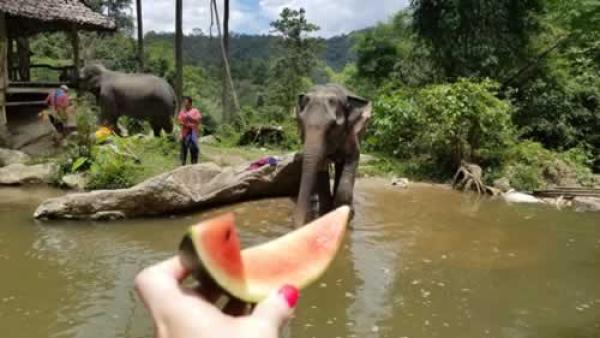
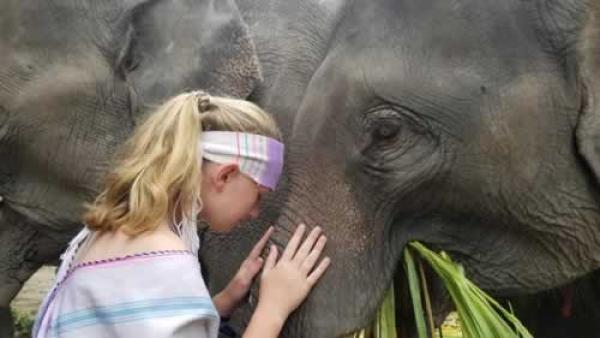
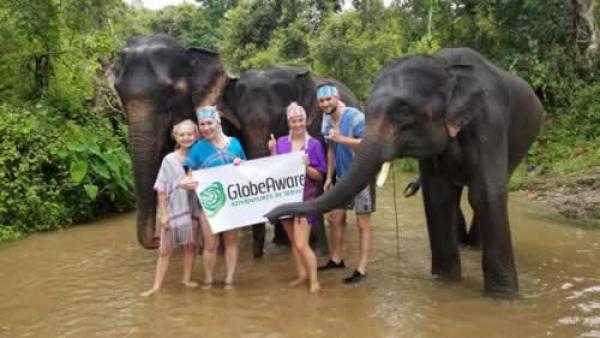
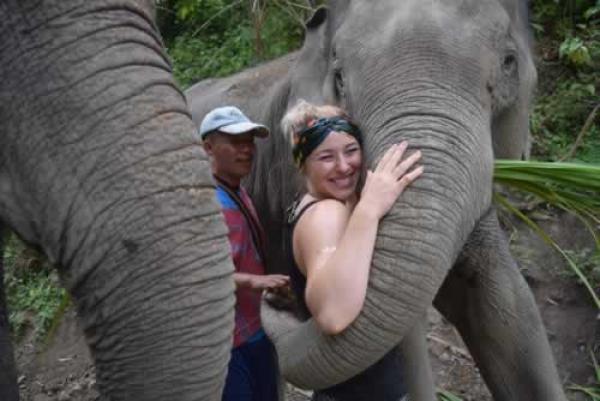
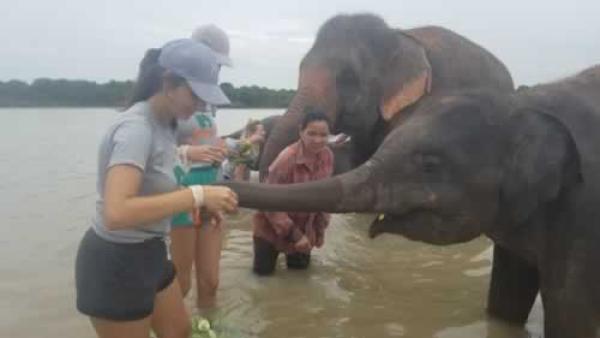
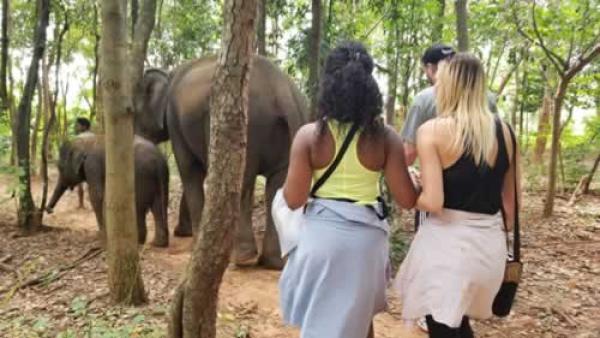
Save the Asian elephant from extinction and give captive elephants a life worth living! This volunteer vacation program is geared toward the nature loving volunteer explorer and the majority of program projects involve work with locals of the Surin province to preserve the native elephant habitat and includes working on such projects as planting food crops, such as bamboo and native grasses, and also the construction of shade shelters for these elephants. The work schedule varies from week to week depending on what needs to be done. The volunteers have built enclosures and platform, sun shelters for the elephants, make composts from elephant dung and cut elephant food. Volunteers plant elephant food and cut it; this process is a big part of the project. It really insight on what the life of a mahout is like because an elephant eats 500-600 lbs of food every day! In this province, where not much grows naturally, it is a fulltime job for the mahouts to find food for the elephants. They have to get up in the middle of the night to feed their elephants. Every night! Volunteers feed the elephants fruit, sugarcane and grass. They cut the sugarcane and grass and feed this to them as well. They bathe them and go for long walks down to the river with them. When elephant food is planted, the elephants are right there with the volunteers. There is also a night when the volunteers camp out, if they chose, by the river with the elephants. Most of the volunteers’ time is spent directly with the elephants. Please note that this is a unique program in that Globe Aware was asked by a local grassroots organization for its help recruiting volunteers.
There are more than 300 elephants registered in the Surin Province and the majority of these are trapped in the unfortunate trade of street begging and circus shows. These activities reduce an elephant’s life expectancy by at least 50% as elephants needs hundreds of kilos of fresh vegetables and water daily. Essentially, volunteers will be working at Thailand's only "elephant refugee camp".
Register now for your Volunteer Vacation in Thailand - Click Here!
Projects vary depending on the number of volunteers, which projects were finished (or not) with the prior group, what priorities have changed, weather conditions, which supplies are available, and often the interest and fitness level of the volunteers. For these reasons, specific projects are often not fixed until the week prior to your arrival and can even change upon arrival.
Some of our Super Volunteer Coordinators
Food and Lodging
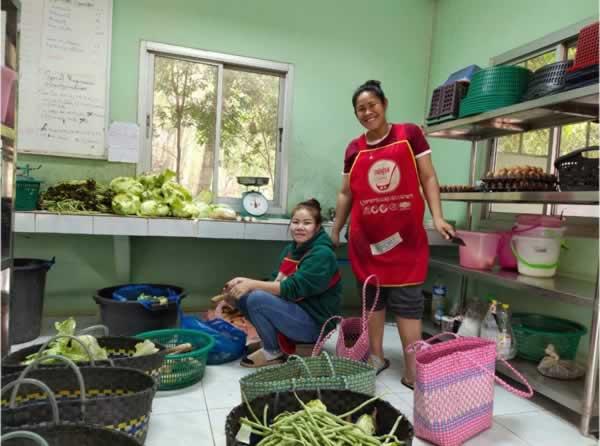
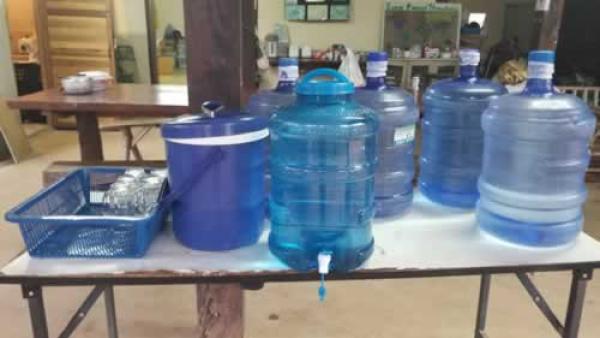
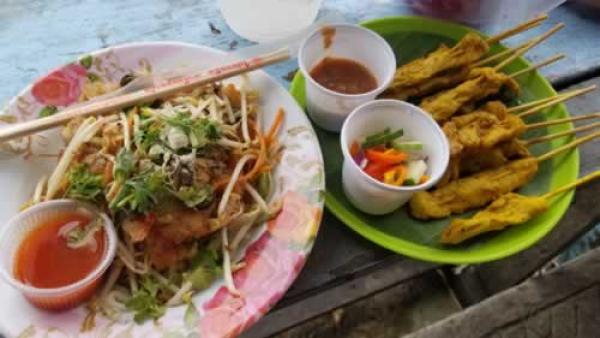
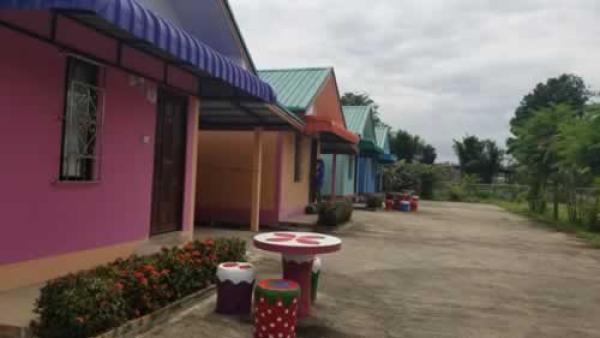
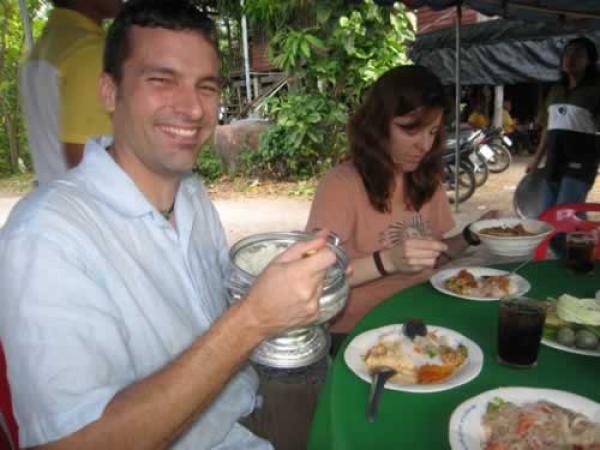
Volunteers are housed in pairs in homestays very near the project location. Each room has a fan. Western style bathrooms are available, though they are modest and not as nice as what you might be accustomed to. As of 2018, there is now also fairly reliable wi-fi. Flavorful traditional Thai style meals are cooked fresh, with your help, throughout the day. Abundant, safe drinking water is always available in each home and throughout your working vacation.
Leisure Activities
This volunteer experience offers a truly immersive cultural experience. Life moves at a delightful, slower pace in the Thai community. The program begins with a traditional Thai welcoming ceremony led by a village Shaman, an event the average tourist would never experience. Every week there is a local evening market to attend, giving volunteers an opportunity to participate in life, Thai style and opportunities to spend time gaining knowledge with the village elders, which is a highlight of the trip. Cooking lessons with locals is also offered.
Arranging Your Airfare
For this particular voluntourism project it is advised that you arrive in Bangkok the day before your program starts as your bus for Surin Province leaves at 7: 30 am the day the program begins. The volunteer vacation program ends at 8:00 am the following Sunday. The journey takes roughly 7 hours by bus each way.
Due to the nature of this special volunteer opportunity, this program runs from Monday to the following Sunday, unless volunteers arrange to add an additional week ahead of time. A Globe Aware staff member will meet you at Bangkok’s Northern Bus Station (Mo Chit) at a specified pick up time. From there you will travel via bus (bus has a/c and is very comfortable, and takes 7 hours if no re-routing due to weather conditions) to reach the project location in Surin Province. Volunteers traveling from Chang Mai have a 7-8 hour bus ride).
Special note on transport:
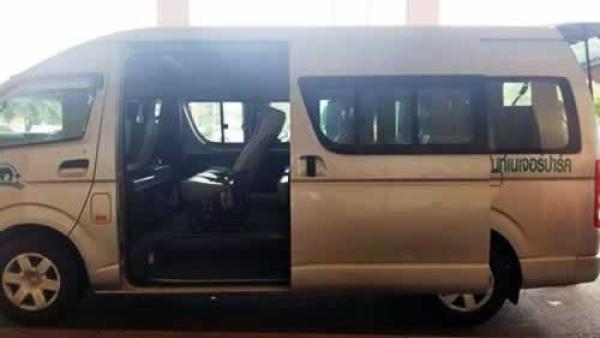
You are picked up and dropped off from the airport using a modern van with seatbelts and air-conditioning if arriving to and departing from Buriram Airport. Buriram is the closest airport to the project site, though flights are limited and only services domestic flight. Please contact our office for more information on Buriram flight recommendations.
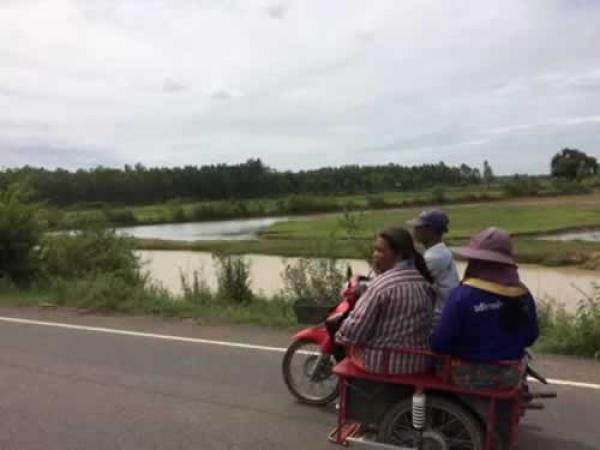
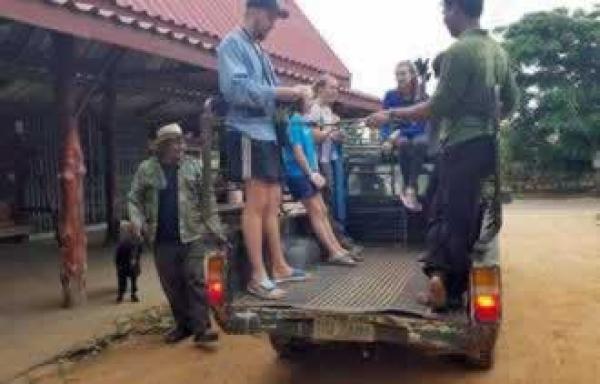
However, we are obliged by the onsite Thai elephant foundation to use their vehicle to travel to and from the work sites, however, roughly one mile each way, usually going below 10 miles an hour with only motorbikes on the road. They use a pickup truck with attached trailer. Volunteers and the coordinator are in the back without seatbelts and helmets. You will note that the majority of the population are on motorbikes without helmets (and feel lucky to have a motorized vehicle! You will see a fair share of locals riding their elephants as well) You need to understand and be ok with this risk going onto the program.
-
Thailand: Hill Tribes, Heart and Hope
Become a special part of our authentic Hill Tribe Community, designed to create a sustainable future for an exploited people
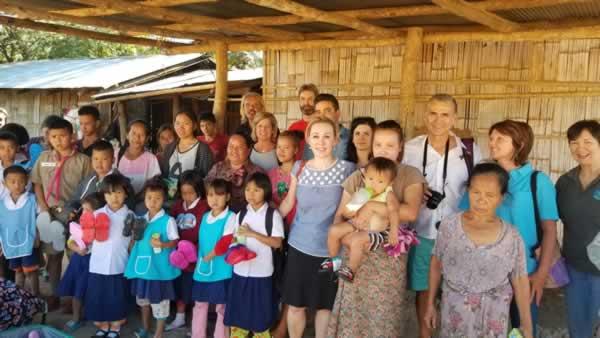
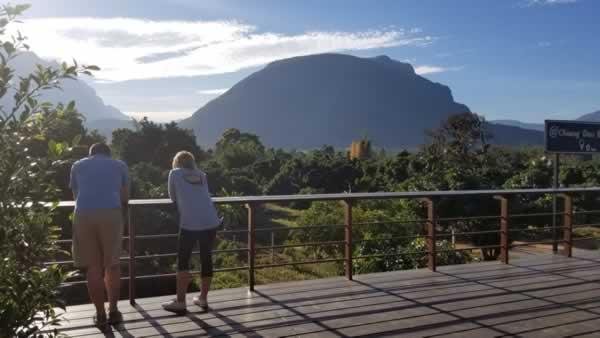
Tourists have been flocking to the beautiful hills of Chiang Mai for decades to observe the beautiful historic temples, enjoy the famous lanna food and markets, see the elephants, and enjoy a bit of a respite from the heat of Bangkok and the beaches. Lying a couple of hours north and east of the city center, in the foothills of Myanmar, beyond where most tourists and visitors ever go, hill tribe people vulnerable to myriad exploitations live full of heart and hope. Please come and volunteer with us and see what a difference you can make. The hill tribe people are welcoming and respectful. A trip to the hill tribe communities is likely to be the experience of your life and we guarantee it will be life-changing.
Work Project
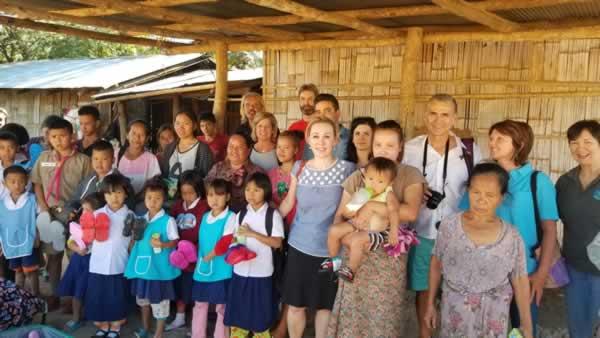
The hill tribe people live in remote areas scattered across Northern Thailand with little or no access to education. Many fled from conflict in Myanmar or other surrounding countries. This lack of education makes the hill tribe children prone to poverty and vulnerable to exploitation within Thailand's ubiquitous sex and drug trade. Those who can get an education grow up able to take much better care of themselves, their families and their community. At this program location, we are working with 350-400 rural communities that cross to Sub Mekong region countries. Hill tribe communities we work with include Lahu, Akha, and Karen.
Globe Aware works with local and international organizations to support community health, education, sexuality and relationship education. UNICEF estimates that the number of children under the age of 16 working in the sex industry in Thailand is in excess of 50,000. Many of these children come from impoverished hill tribe communities. It is rare for hill tribe people to attend school, and even rarer for them to continue at secondary school. Education is vital and every child in our care goes to school every day. We support young hill tribe people who live in rural areas far from schools by helping housing in various locations during school semesters (ten months of the year). We ensure that these young people have access to education at the local school and that they have a safe place to stay, with access to food and healthcare.
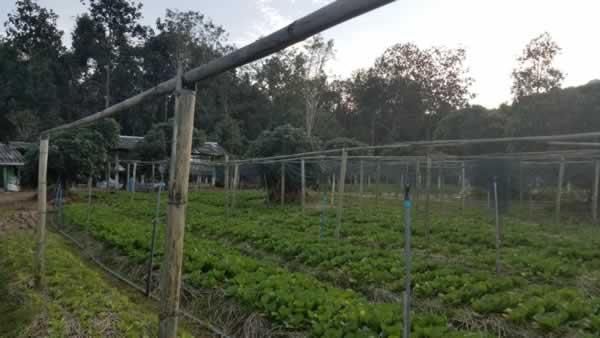
At our primary work project site, volunteers will have a variety of projects to support these kids. We are currently building chicken coops and a fish pond and setting up new vegetable gardens alongside the students. This is the primary source of food for the 73 kids on site (housed separate and apart from volunteers). We have a constant list of related projects, from harvesting mushrooms, gathering eggs, helping cook in the kitchen, making repairs to the accommodation, helping teach English pronunciation and colloquialisms for those interested in tourism as an occupation.
Our mission is to enhance the lives of children, youth, women and vulnerable people and to strengthen culture, family involvement and community engagement.
- Promote and educate communities about basic human rights to ensure equitable access to resources from government and private organizations.
- Strengthen families and communities, through self-help groups, to share knowledge and promote unity in their communities.
- Engage community members in educating their children and youth; saving for their future; livelihood development; caring for the environment; and cultural preservation.
Working with donors, local community members and NGOS, we are seeking to ensure that the hill tribe children in our care, mostly of whom are stateless, have a safe place to live, with food and clothing, and access to health care and education. We do this through supporting 7 hostels that house approximately 400 hill tribe children in total. Some do have parents who may be too poor to look after their children, or they may live too far away to access school. Most do not have parents – they may have died from AIDS or because of no access to health. Attending school provides them with the opportunity to move from being stateless to having an official identity in Thailand. This will then enable the young people to gain an education and to have the chance to gain legitimate, fulfilling job opportunities rather than a horrific life in the drug trade or sex industry. UNICEF estimates that the number of children under the age of 16 working in the sex industry in Thailand is in excess of 50,000, and many of those are hill-tribe children. Because most hill tribe people do not have ID, children can ‘disappear’ – this is a complex issue with multi-faceted solutions.
You will also see the self-sufficiency we promote as you see the kids learning about irrigation and helping grow and harvest fruit, vegetables, raising pigs, chicken, and rice. As many of these children do not have Thai citizenship, we assist in this regard too. Gaining citizenship means they will be able to have access to basic services such as medical treatment, and being able to travel freely. Your participation fee goes toward funding all of these programs, from providing housing, food, education to help in getting citizenship.
Food and Lodging
Volunteers are housed in pairs (you can pay a single occupancy supplement of $265 per week if desired) in newly built, Thai style accommodations with air-conditioning, hot running water and flushing toilets. Most have stunning views of the twin mountains. This will be your home away from home and where most of your meals are taken. Traditional and absolutely delicious Thai style noodle and rice dishes, lots of veggies and local fruits, bottled water and regular tea and coffee is provided. You can purchase alcohol or fancy cappuccino style coffee at extra cost.
SAMPLE THAILAND HILL TRIBES ITINERARY
Leisure Activities
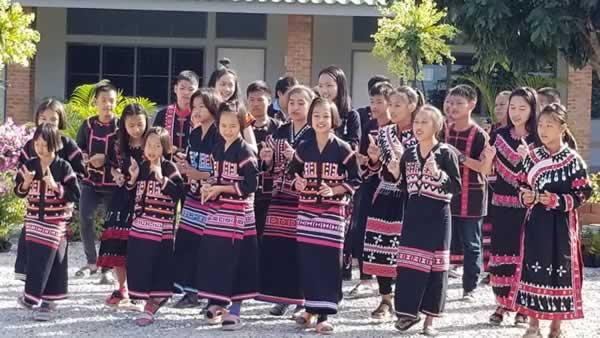
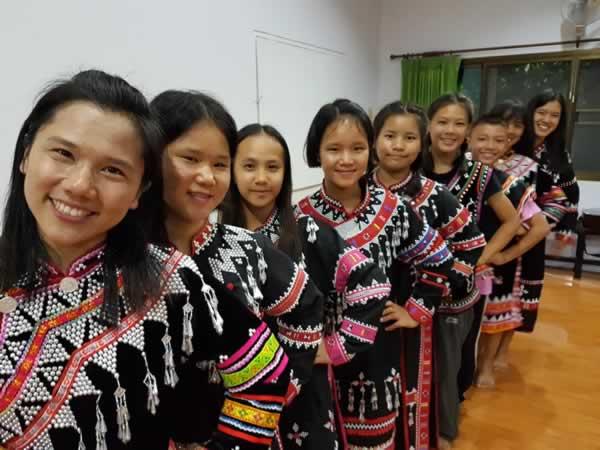
During the week you will be presented with 3 to 4 planned but optional cultural/leisure activities: watch (and participate if you like) as the girls do a traditional hill tribe dance and musical performance, visit natural nearby hot springs, learn a bit of Thai cooking, explore caves, visit local temples, get a Thai massage, see local waterfalls, give alms to monks and hear them chant, visiting local markets; amongst other possibilities that will require extra booking after arrival (such as rafting or visiting the elephant conservation center.)
Arranging Your Airfare
Plan to arrive at the Chiang Mai airport by 1 pm on Sunday your program begins. You will be picked up at 3 pm at the lobby of the Centara Duangtawan Hotel in Chiang Mai by your coordinator and transported to our program site by van, a journey of about 90 minutes. The volunteer vacation program ends the following Saturday; you will be leaving the program site at approximately 9 am, putting you at the Chiang Mai airport by about 11 am.
-
Vietnam
Expedition Vietnam
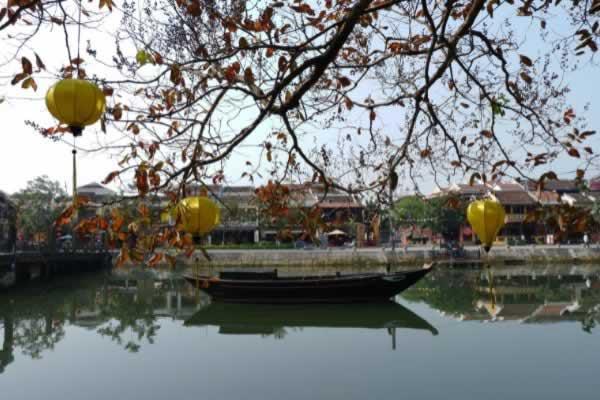
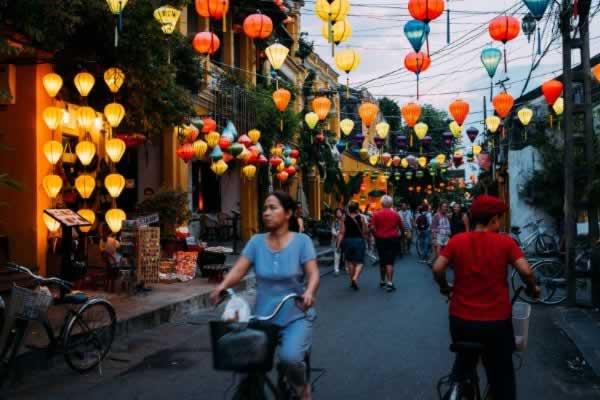
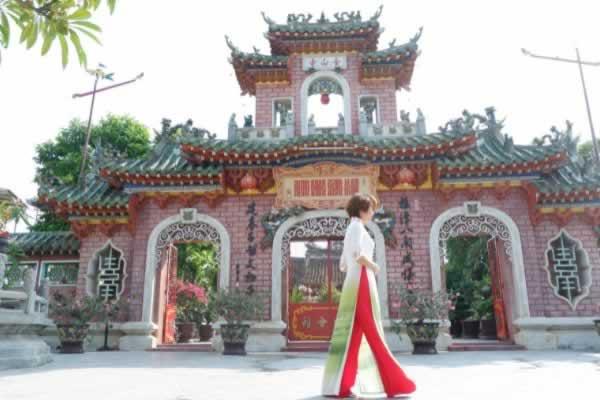
A short drive from the central city of Danang, Hoi An has rightly earned a reputation as one of Vietnam's most picturesque towns. Declared a World Heritage Site by UNESCO, Hoi An draws visitors to its lovingly preserved mix of Vietnamese, Chinese, Japanese and French architecture - evidence of the town's fascinating past as a major trading port. From the 17th to the 19th century, Phai Pho which is Hoi An's old name riverside port was frequented by trader from as far away as Holland, China, Japan and India , who came for Vietnam's silk. porcelain, pepper, cinnamon and medicinal plants. While the trade dried up when the river filled with silt, the town distinctive architecture remains intact, having miraculously survived the wars of the 20th century.
Hoi An's quarter features traditional shophouses, the facades of which are made from carved ironwood. The front rooms of these houses served as shops, while the families lived on the second floors. Central and back courtyards allowed both sunlight and fresh air to penetrate. To this day, many houses have a pair of carved wooden yin yang symbols that are thought to protect the house's inhabitants from ghosts and bad luck. The officially Socialist government, run by the Communist Party, has made recent reforms that open the economy for trade and some building wealth. Volunteers will see, however, that the old and new Revolutions have left many rural peasants behind in their idealism of minimum living standards. Our projects help these people.
Work Project
Depending on the group size, volunteers will participate in diverse projects such as constructing chicken coops and donating chickens for sustainable protein, teaching English pronunciation and colloquial language, renovating playgrounds and improving housing conditions, refurbishing buildings for schools, and assisting kindergartens and primary schools.
The Vietnamese government does not fund kindergartens presently. However, disadvantaged youths from rural areas outside town can attend the schools we support for free. Volunteers often teach Basic English and engage in playful activities with the children. Some of these children may have disabilities, such as visual or hearing impairments, or mobility issues.
This program is most appropriate for those over 18 unless traveling with a parent or guardian, and those who feel reasonably confident about their overall fitness level. The work can be demanding and the climate is hot. We are grateful to anyone who can bring books in Vietnamese and or English, some children's coloring books and crayons, and anything that has to do with the libraries with them when they come. Books that can teach the teachers how to educate the children from grades 2-9, and about the world at large (such as geography). Other good things for the teachers and students are things like good pens, nice notebooks, and arts and school supplies, used or new.
Food and Lodging
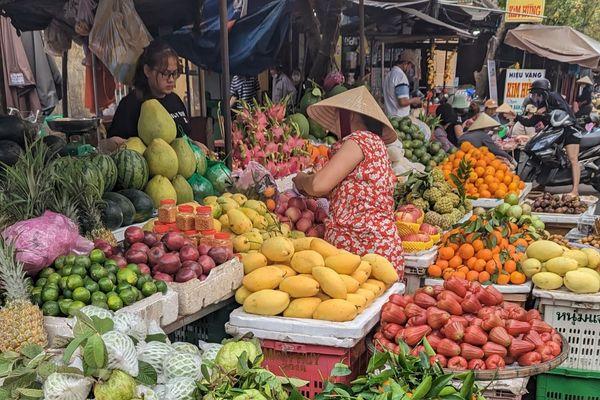
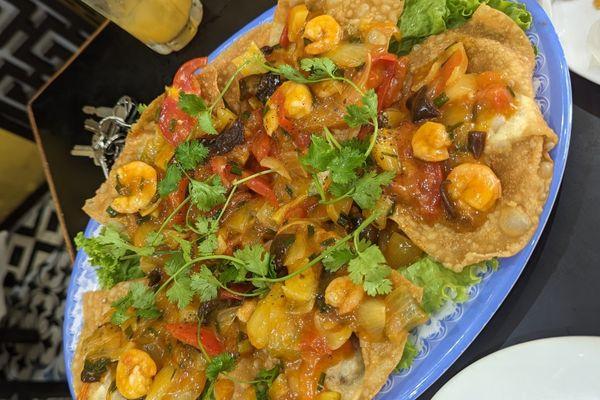
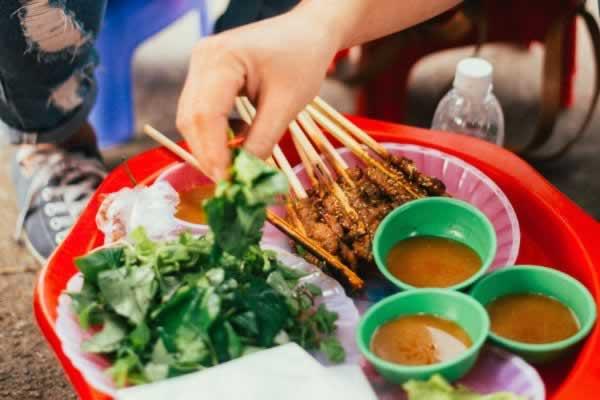
Volunteers will be lodged in a lovely villa, just outside of Hoi An in a beautiful pastoral setting. Running, hot water and flushing toilets are available as electricity. Volunteers will be served local Vietnamese specialties - simply incomparable cuisine of fresh herbs, noodles, rice, meats and vegetables. The French influence has left behind a proud tradition of fine crusty breads, strong coffee, and a love of inventive cooking processes. Breakfasts are taken at the villa, while lunches are usually catered near the work site, you will be provided a welcome dinner and final night dinner, the rest will be independently taken, as the pedestrian nature of Hoi An offers a treasure of compelling, safe inexpensive and atmospheric options that our volunteers absolutely love.
Leisure Activities
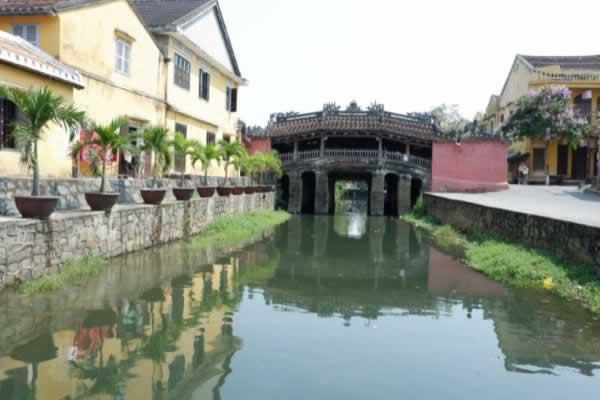
Simply walking in this World Heritage Site is a sheer joy, but volunteers can use free time to discover the charming bridges in colonial old town Hoi An, China Beach, Champa ruins at My Son, Hue, Marble Mountain, among many other highlights.
Arranging Your Airfare
You'll arrive and depart from Da Nang International Airport, approximately an hour away from Hoi An. For your return flight, it's advisable not to schedule a departure earlier than 2:30 pm to account for potential road or weather-related delays.
Safety and Security
Compared to its neighbors in south east Asia, Vietnam has considerably less petty theft once you leave the major urban cities (where drive-by thieves on motorbikes have been known to pickpocket purses). Violent crime is very rare. Outbreaks of Avian Influenza (Bird Flu) in Vietnam have resulted in a small number of human fatalities. As a precaution, you should avoid live animal markets, poultry farms and other places where you may come into close contact with domestic, caged or wild birds. You will not be engaged in any such activity as part of a Globe Aware program. The likelihood of being affected by Avian Influenza is much less than that of being in a car accident in the US.


![IMG_7396[1]](https://www.globeaware.org/components/com_rsmediagallery/assets/gallery/600x376/1a1ad1d3ba8290254a6bd1ba0182627b.jpg)
![IMG_7921[1]](https://www.globeaware.org/components/com_rsmediagallery/assets/gallery/600x376/895a8bd17f49f5cee949f98321fc3f1a.jpg)
![IMG_4229[1]](https://www.globeaware.org/components/com_rsmediagallery/assets/gallery/600x334/b5031f9f8daa732c0edc21ac0b39b3a1.jpg)