Africa
-
Ghana
The Glory of Ghana
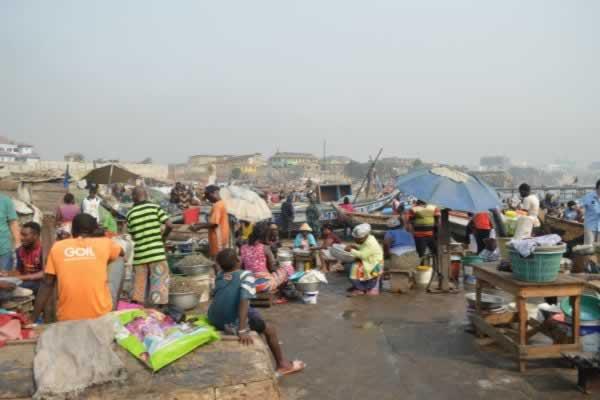
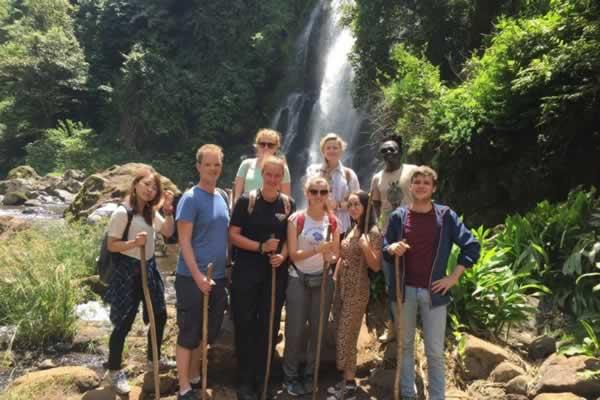
Your Globe Aware program is based in Ho, the capital of the Volta Region and ancestral home of the Ewe people. Known as the Oxygen City for its peaceful environment, Ho blends small-town warmth with modern conveniences. Nearby, you’ll find the Wli Waterfalls, Adaklu and Gemi Mountains, Tafi Monkey Sanctuary, and vibrant traditional villages.
Ghana thrives on its rich culture, natural beauty, and resources like gold, cocoa, and oil. Despite economic challenges, it continues to grow through innovation and tourism. The Volta Region captures Ghana’s essence, lush landscapes, welcoming communities, and enduring cultural traditions of storytelling, weaving, drumming, and dance.
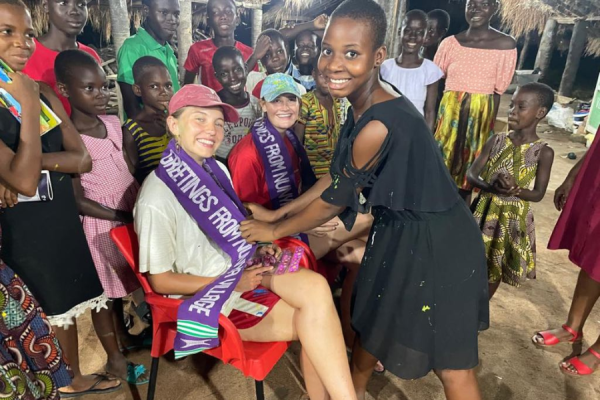
Globe Aware works directly with a grassroots NGO dedicated to improving the lives of vulnerable Ghanaians, which also collaborates with local schools and communities. Their programs focus on education, women’s health, entrepreneurship, environmental sustainability, and community-driven development, all strengthened through cultural exchange.
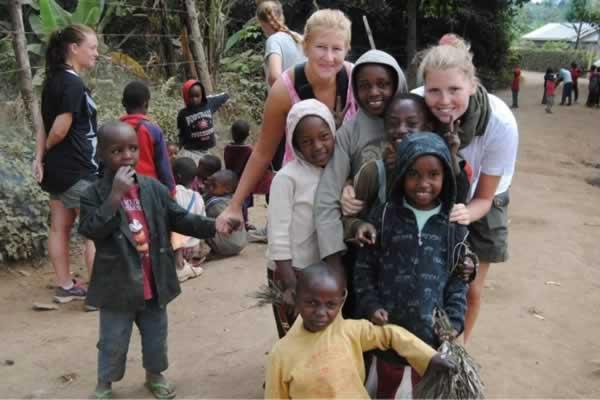
Most of your time will be spent in smaller rural communities around Ho, where a variety of projects are implemented. While the Volta Region’s natural beauty and cultural richness are captivating, local communities still face challenges such as limited access to clean water, inadequate educational infrastructure, unpaved roads, and low digital literacy. Despite these challenges, Ghanaians are known for their hospitality and optimism.
As a common saying in West Africa goes, “If an award were given for the friendliest people in West Africa, Ghana would be a strong contender.” This region offers a meaningful opportunity to contribute while immersing yourself in authentic Ghanaian culture and warmth.
Work Project
Volunteers collaborate with community-designed initiatives, gaining hands-on experience while supporting local development. Projects may include:
Traditional Crafts with Children
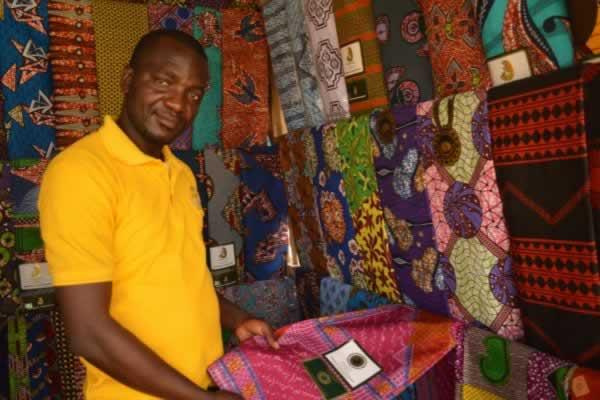
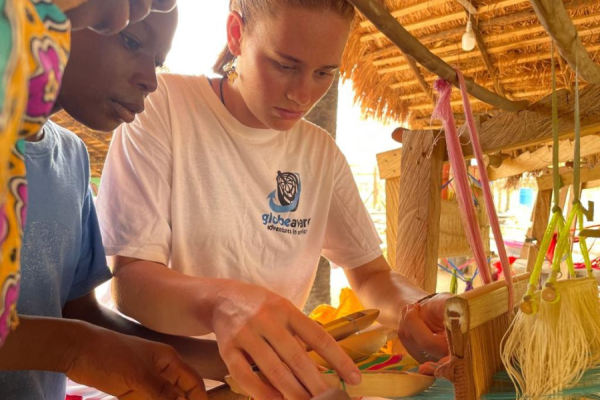
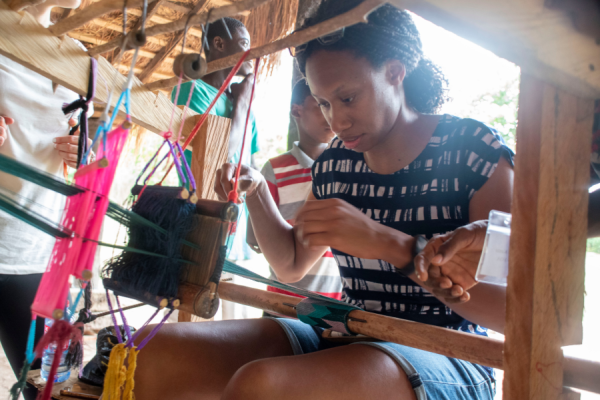
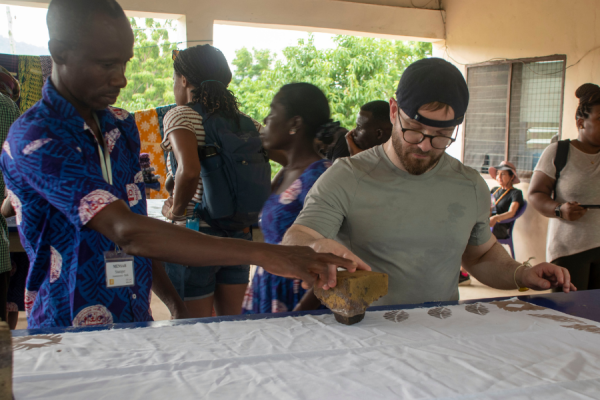
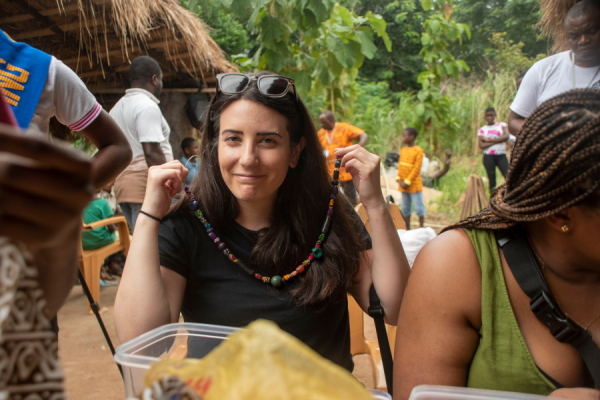
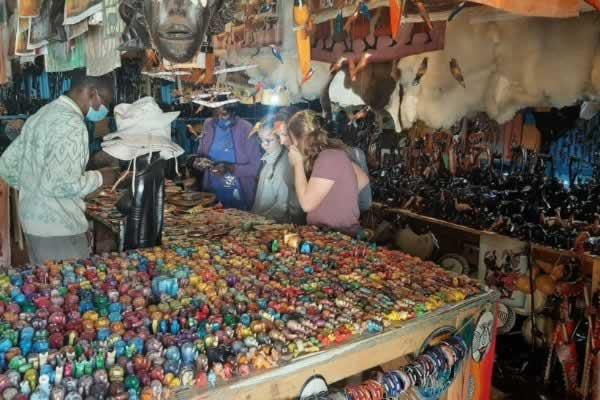
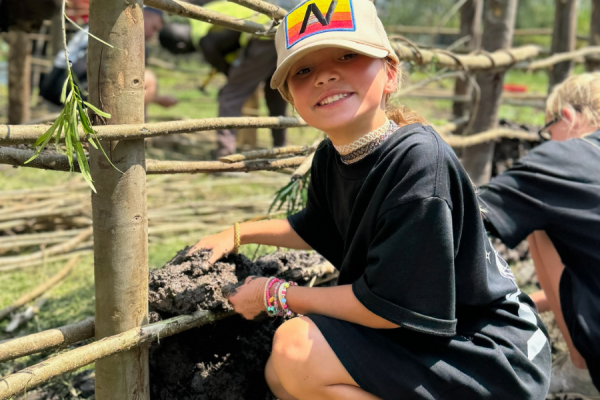
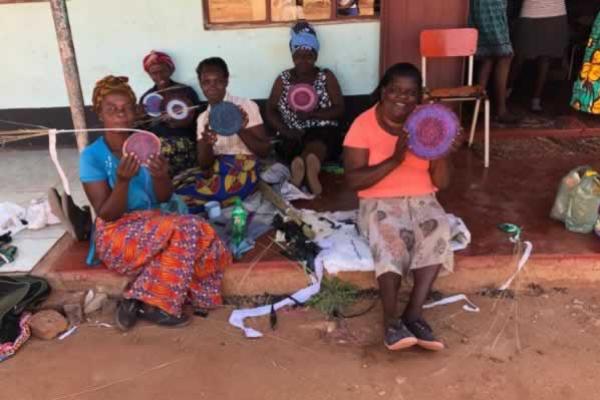
Work alongside children to create art from recycled glass, cane, calabash, clay, and fabric. Learn bead-making, Kente weaving, basket weaving, and pottery, while supporting young artisans in developing skills that sustain their livelihoods.Cultural and Musical Immersion
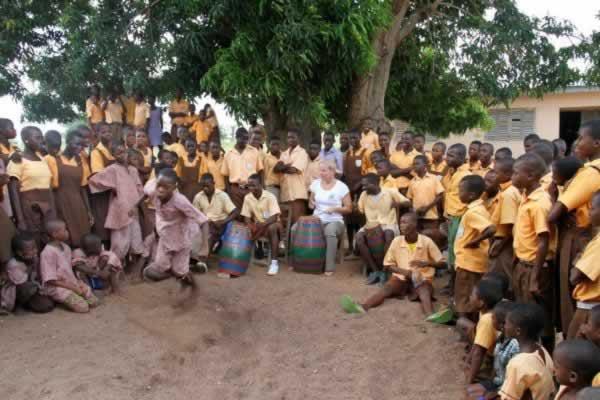
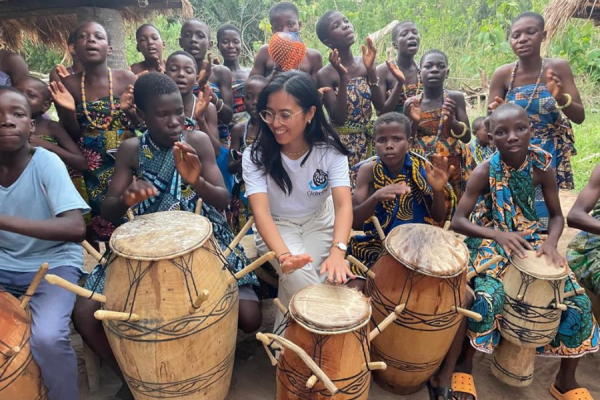
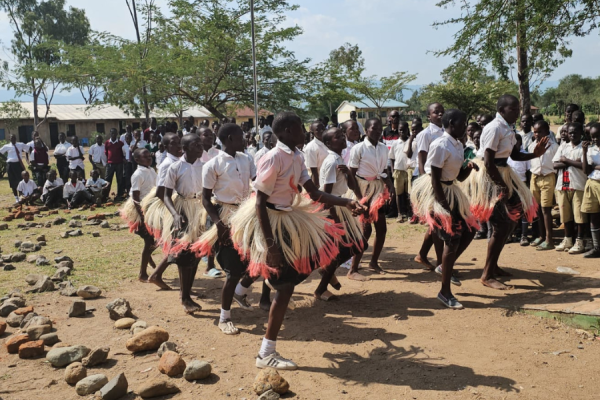
Join local children and youth for drumming, dancing, and drum-making sessions that celebrate Ghana’s Ewe heritage. This cultural exchange fosters connection, laughter, and a deeper appreciation for traditional performing arts.Culinary Adventures
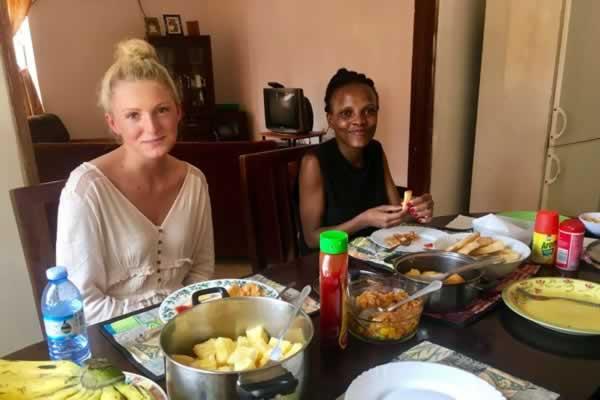
Cook and share meals with local families, learning to prepare Ghanaian dishes like jollof rice, fufu, and groundnut soup. These sessions offer a warm and interactive way to experience community life and cultural storytelling.Menstrual Hygiene Education
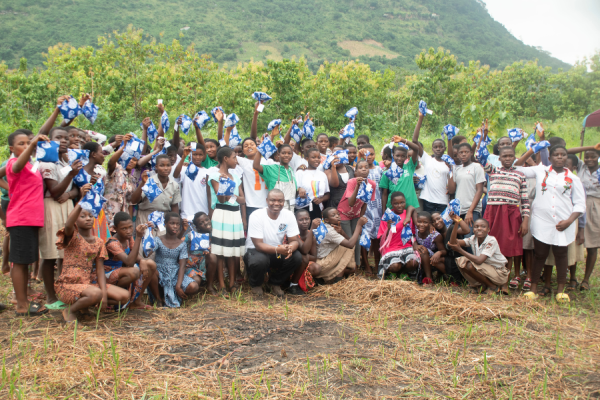
Help educate girls in rural schools about menstrual health, breaking stigmas, and promoting dignity. Volunteers create safe spaces for open conversations, empowering girls to stay in school and build confidence.Fishing, Fish Smoking, and Sustainable Livelihoods in Tsatoe
Assist local fisherfolk with traditional fishing methods, net mending, and discussions on sustainable practices. This hands-on experience provides insight into rural livelihoods and environmental conservation.Projects vary depending on volunteer numbers, local priorities, weather, and available materials. Final assignments are confirmed one week before arrival and may be adjusted upon arrival. Volunteers’ contributions provide meaningful support while offering an authentic, immersive experience of Ghanaian culture.
Food and Lodging
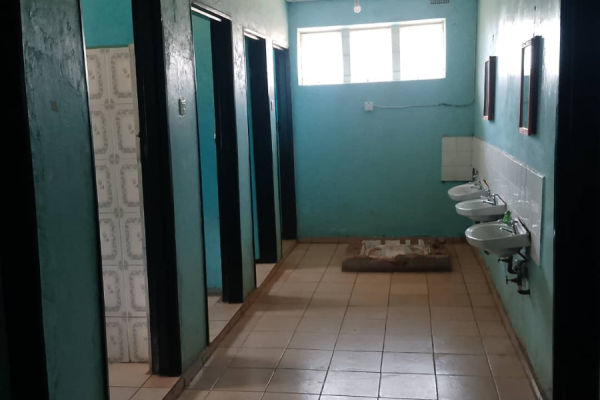
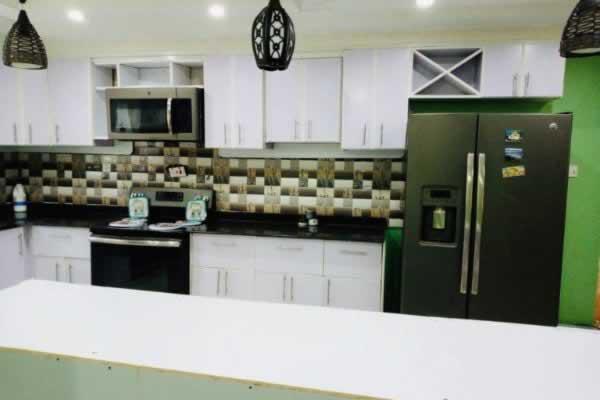
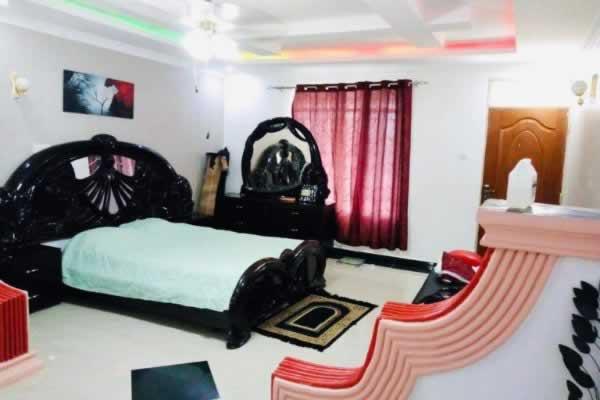
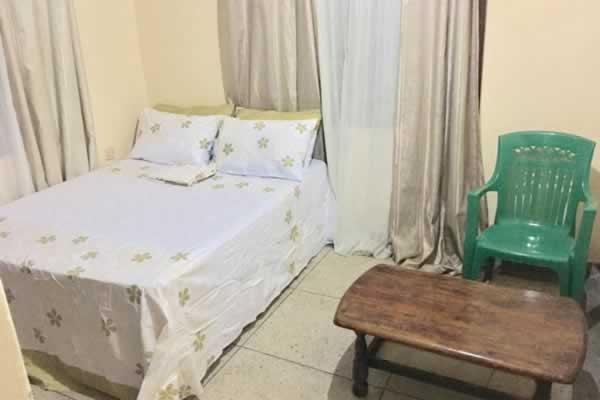
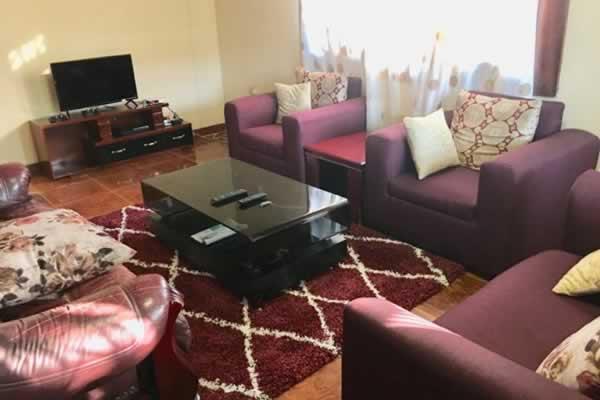
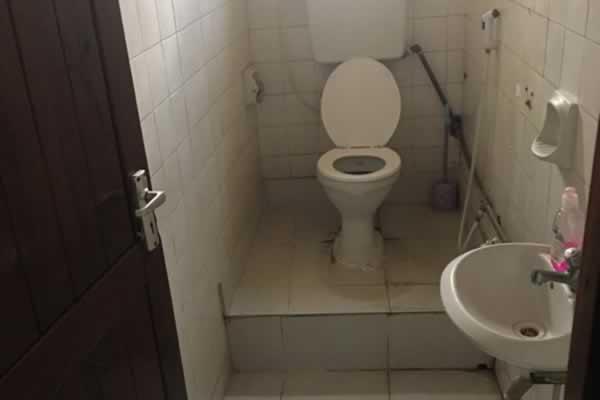
Volunteers stay together in comfortable community-based homestays. Accommodations typically include running water, showers, flushing toilets, and access to electricity. Hot water is not guaranteed, though occasionally available.
In more rural communities, scoop showers may be used. If this poses a challenge, please inform the coordinators before your arrival.
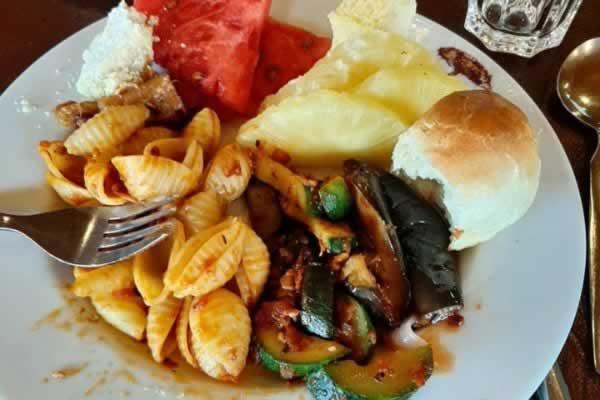
Meals feature traditional and delicious Ghanaian dishes, such as Jollof rice, grilled fish, stews, and a variety of fresh fruits and vegetables. For adventurous eaters, Banku and Fufu offer a truly local culinary experience. Bottled drinking water is always provided.
Leisure and Activities
Ghana offers a stunning mix of natural beauty, history, and culture.
In your free time, you’ll have plenty of opportunities to enjoy the region’s beauty and culture. Activities include:
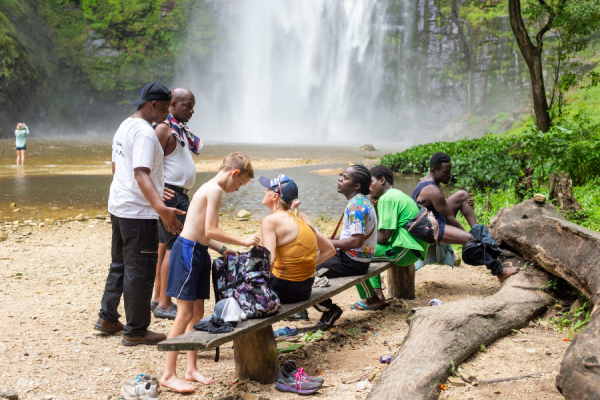
- Visiting the largest waterfall in West Africa.
- Climbing the Adaklu Mountain
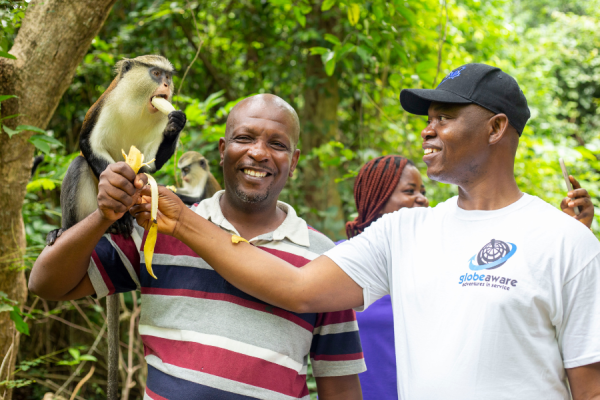
- Feeding the Mona Monkeys in their natural habitat.
- Exploring a Kente weaving village to learn about Ghana’s famous “cloth of kings.”
- Taking African drumming and dance lessons.
- Playing football with community members and local children.
- Enjoying the stunning view from Mountain Gemi.
- Going fishing or joining in local street celebrations.
History comes alive at sites such as Cape Coast Castle and Elmina Castle, both powerful reminders of Ghana’s role in the transatlantic slave trade. In the capital, Accra, visitors can explore the Kwame Nkrumah Memorial Park, dedicated to Ghana’s first president, and Black Star Square, a national symbol of independence and pride. On the eastern coast, the Keta Lagoon and Fort Prinzenstein reveal the country’s ecological richness and colonial past, completing a journey through Ghana’s diverse and deeply moving heritage.
Arranging Your Airfare
Your adventure begins in Accra, Ghana’s capital. A Globe Aware coordinator will meet you at the Kotoka International Airport, Ghana’s main international gateway. The drive from Accra to Ho takes approximately three hours.
At the end of your volunteer week, you’ll be dropped off at the same airport. Please avoid booking return flights before 11:00 AM.
Safety and Security
Ghana is one of West Africa’s safest and most stable countries, having never experienced a war. Crime rates are very low outside major cities like Accra and Kumasi, and Ghanaians take pride in their peaceful legacy and welcoming spirit. Visitors from large or midsize cities may feel as safe or safer than at home while enjoying their time and volunteering, though standard safety precautions should always be observed. Ghana also has a proud history of supporting other African nations’ independence, reflecting its people's generosity and community spirit.
VERY IMPORTANT. A yellow fever vaccination and the accompanying yellow vaccination card signed by the office that provided the vaccine are required to enter almost all African nations.
-
Malawi - Heart Of Africa
In 2014, Malawi celebrated the 50th anniversary of its independence. Since then, it has earned a reputation as one of Africa’s most peaceful and welcoming nations.
Our program is based in Zomba, a hidden gem nestled in the southern highlands of Malawi. This charming place offers easy access to natural wonders like the Zomba Plateau, where breathtaking vistas unfold over lush forests, the serene Mulunguzi Dam, the intriguing Chingwe’s Hole, the cascading William Waterfalls, and the shimmering expanse of Lake Malawi.
Affectionately known as the "Warm Heart of Africa," Malawi lives up to its name with its friendly people, safe environment, and vibrant culture. Though less traveled than some of its neighbors, the country’s mix of natural beauty, rich traditions, and unique languages offers an off-the-beaten-path experience that’s truly special.
While Malawi faces economic challenges, especially in agriculture and education, the community in Zomba remains resilient, open-hearted, and eager to share their lives, stories, and culture with visitors.
Project
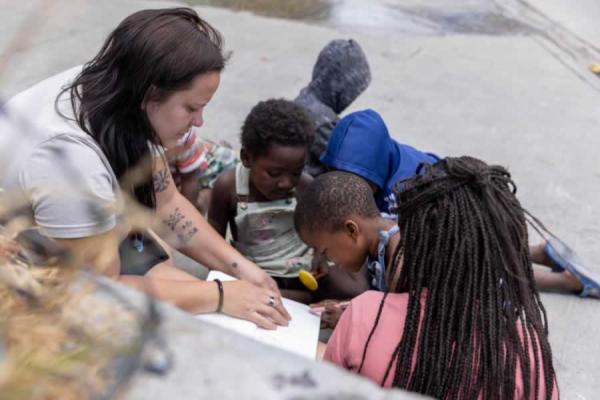
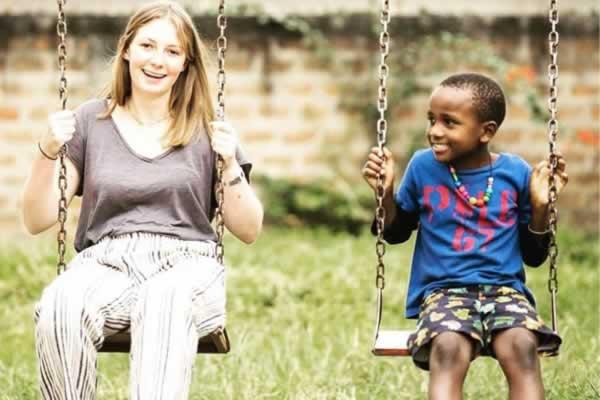
Volunteers are thoughtfully matched with project activities that align with their skills, experience, and interests. Opportunities may include working directly with children at a nursery or primary school, assisting with painting and renovation projects, or supporting ongoing initiatives started by previous volunteers. Typically, volunteers spend two days each week engaging with children, while the remaining days are dedicated to continuing previous projects and participating in meaningful cultural experiences.
Throughout the week, volunteers may also contribute to enhancing youth programs, such as sports, entrepreneurship, and arts and crafts, or assist students at a local Vocational Training Center.
Accommodation and Food
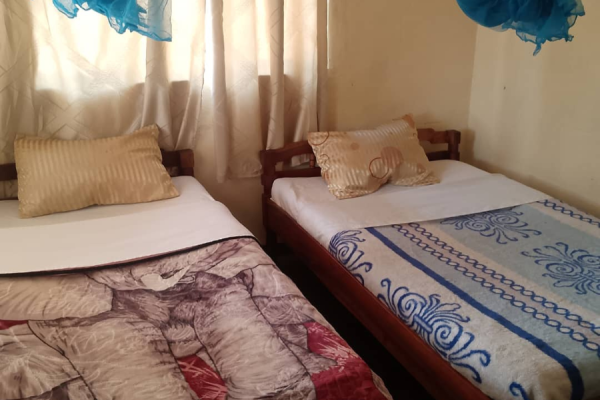
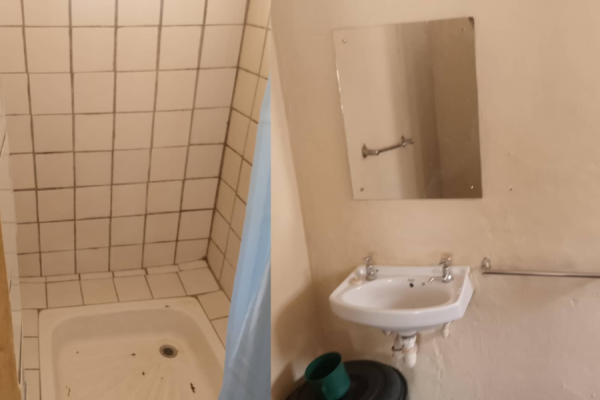
The accommodations in Malawi include two hostels where volunteers can stay. Each hostel room has 3–4 beds and shares bathrooms and toilets with other guests. There are also separate buildings with rooms that have 2 beds and are self-contained, offering private bathrooms. Additionally, there is a guest house with rooms that have 4 beds and private bathrooms. All accommodations include access to a kitchen, and breakfast is provided. Private rooms are not always available.
Lunch and dinner will be provided and will feature local foods.
PLEASE NOTE:
The accommodations are 2 km from the project site, and volunteers are usually transported by taxi. However, motorbikes are a common mode of transport here, and some project sites may require travel by motorbike. While some volunteers, especially the elderly, might prefer to avoid them, motorbikes can be a fun and adventurous option for those up for a bit of a challenge.
Leisure Activities
During your stay, you'll have ample opportunities to immerse yourself in the local culture and explore the country’s natural and cultural treasures. Activities may include visits to national parks, majestic waterfalls, vibrant beaches, bustling fisheries, and historic sites. Upon arrival, you’ll visit the Chilema Tree, a unique landmark, the only one of its kind in all of Malawi. You can also experience the rhythm of the country through traditional dancing and drumming performances, giving you a true taste of Malawian life.
One highlight is a visit to a picturesque town on the southern shores of Lake Malawi, Africa’s third-largest lake. This beautiful spot is known for its pristine beaches, crystal-clear waters, and rich aquatic life, making it a popular destination for snorkeling, diving, and fishing enthusiasts.
Optional excursions are available at an additional cost, such as a trip to the nearby game reserves. This lodge is located within one of Malawi’s premier wildlife reserves and offers an exceptional safari experience where you may encounter Africa’s Big Five in their natural habitat.
Cultural festivals and events take place throughout the year, and if your visit aligns with one, we’ll be sure to include it in your itinerary to enrich your experience even further.
Arrival and Departure
As you prepare for your journey to Zomba, please note that it's approximately 1 hour and 30 minutes from Blantyre and nearly 4 hours from Lilongwe in Malawi.
Upon arrival in Malawi, the Globe Aware coordinator will meet you at the Blantyre (Chileka International) airport or Lilongwe (Kamuzu International) airport with a Globe Aware sign on Sunday, the day of your arrival.
Please note: If your flight is delayed, or you do not see the coordinator, you can contact the coordinator, and he will arrange a short taxi ride for you to a meet-up hotel. The taxi price is usually a little over or under $10.
Once you have met up with the coordinator, you will be taking a taxi to your accommodations.
At the end of the program, transportation to the airport will be provided on Saturday after breakfast.
-
South Africa
Vaccinations and/or COVID tests are
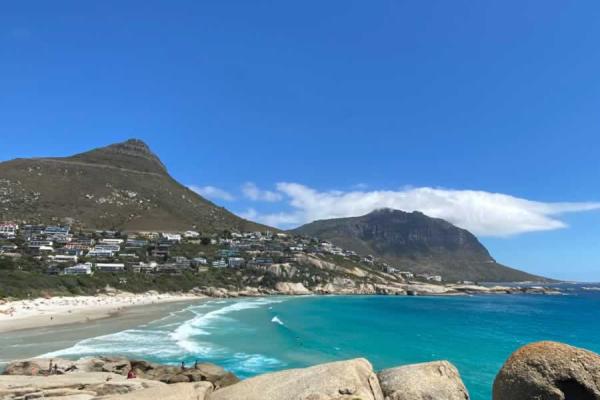
no longer required to travel to South AfricaSouth Africa has celebrated an end to formal apartheid but despite its rich natural resources and can-do attitude, the majority of the black population still face huge challenges. Job prospects are still in low supply, housing and the standard of living are still far below expectations, e.g. access to running tap water is limited, decent flushing toilets are shared, and millions still live in “slums”. This program provides unique opportunities to understand the challenges faced by the black majority, while also helping to improve their lives. In stunning contrast, volunteers will see “beyond-belief”, gorgeous sights, white sandy beaches, pristine wineries, rugged mountain scapes, gigantic whales and wild penguins etc, and more importantly they will get to understand the real beauties and challenges of the new South Africa.
CAPE TOWN voted world’s top destination for 2014 by New York Times, and Britain’s Guardian newspaper and yet ranks in the top 10 countries in the world for income inequality.
Article about a soccer team that did this program
PROJECT PERIOD
One week, Sunday to Saturday. Or longer by arrangement.
PICK UP/DROP OFF POINT
6:30pm on program start date, in the lobby of the Fountains Hotel, Adderley Street. (opposite main railway station and within easy walk of CPT International Airport commuter bus terminus). Safe and easily found by any taxi driver
LOCATION
Imizano Yetho township (approx population – 20,000) , within the CapeTown suburb of Hout Bay. And schools in other deprived, nearby areas.
WORK PROJECT
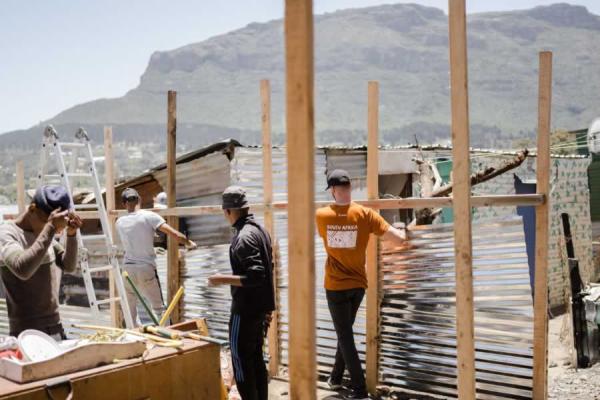
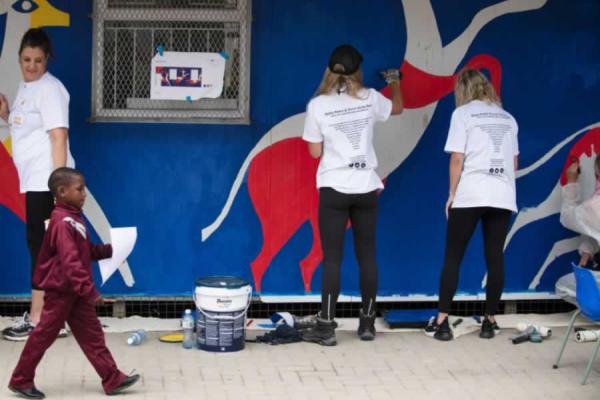
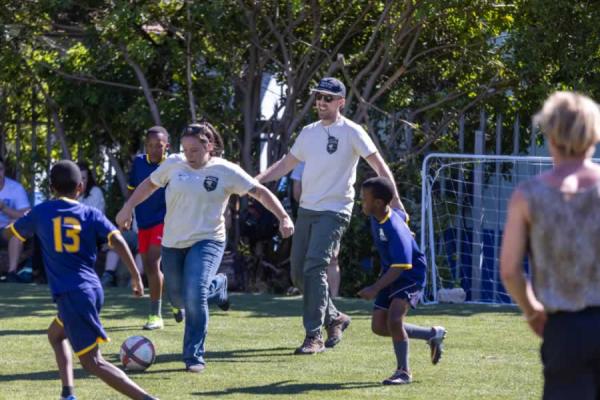
Much of the work and projects relate to helping the overcrowded community of Imizano Yethu township where most of the residents live in makeshift iron shacks ( some Westerners would call these – slums)sharing communal taps and toilets with hundreds of neighbors, where the roads are pot-holed and where the basic infrastructure is run-down. The projects will vary depending on weather conditions, the number of volunteers, and the projects’ needs. Volunteers will be involved in helping to improve and maintain informal community and pre-school (crèche) care centers, assisting with the refurbishment of the Community Youth Centre, helping to rebuild shacks lost due to fires, replacing simple roofing, home waterproofing, installing concrete flooring, painting and refurbishing local schools, participating in community and schools sports programs like soccer, volleyball, field hockey, Physical Education lessons.
NOTE: Schools have their long holidays from June 29 to July 17 and mid December to mid January. This means no work “within” schools between those dates, though we may be working on refurbishments during this time.
ACCOMMODATION & FOOD
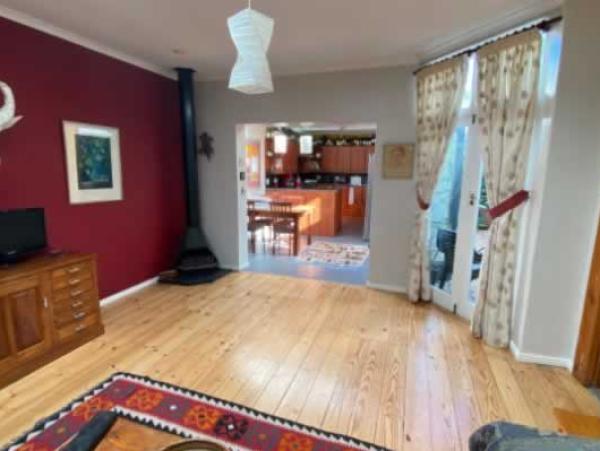
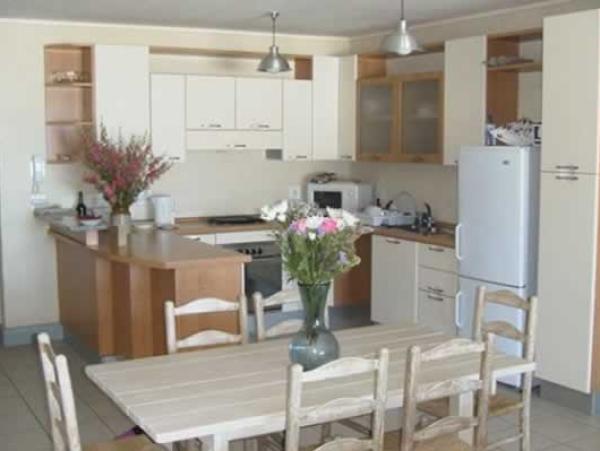
Furnished modern apartments are available in Hout Bay or Cape Town, depending on which project site has the biggest needs. The former is situated within a mile of the Imizano Yetho program site, within walking distance of supermarkets, cafes, and the ocean.
The latter apartment in the central Cape Town suburb of the “Gardens”, close to the Mount Nelson Hotel. Transport provided to the program site. If the group is large enough, members will be accommodated in dormitory-style housing in central Cape Town. Hot running water, flushing toilets and access to electricity is provided.
On weekdays a local cook will prepare prepacked lunch for taking to the project site, and evening dinner. Cereal, bread and fruit are provided for breakfasts.
FREE TIME / CULTURE
The coordinator will explain the culture and traditions of her Xhosa tribe and invite volunteers to her local church service if there is interest.. Attend a local church service if interested and witness young children performing vibrant modern dances. Explore the community craft center and relax on the stunning beaches of Camps Bay and Clifton. Weather permitting, you can experience surfing at Muizenberg beach.
Optional excursions, at an additional cost, include:
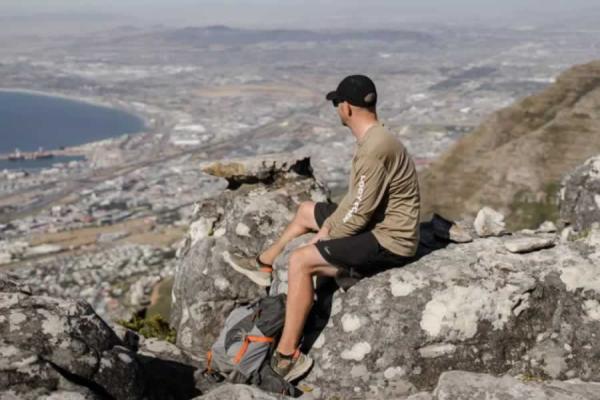
- Ascend Table Mountain via the Cable Car or hike up Lions Head.
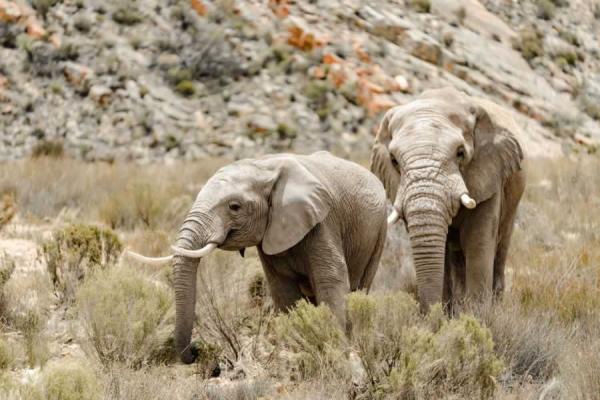
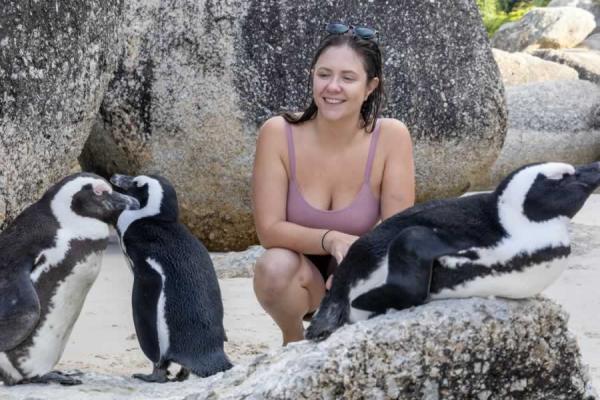
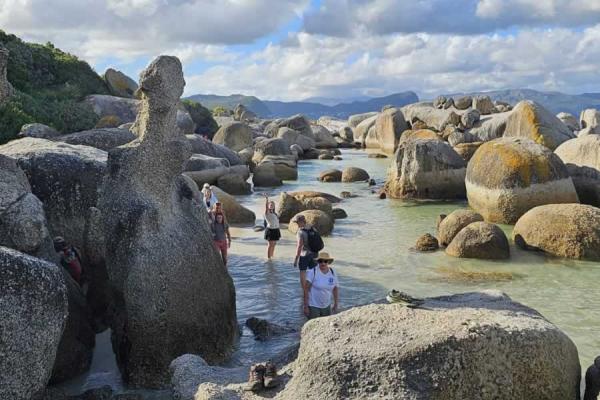
- Visit the Cape of Good Hope, praised as 'the fairest Cape in all the lands' by explorer Sir Francis Drake. Encounter wild ostriches, baboons, and the penguin colony at Boulders Beach (entrance fee for the penguin colony payable directly to the national park).
- Enjoy wine tasting at local estates.
- Take a boat trip to Robben Island, where Nelson Mandela spent 24 years imprisoned.
- Dare to cage dive with Great White Sharks or observe Southern Right Whales (seasonal June to December).
- Embark on a three-day adventure along the Garden Route, exploring mountains, rivers, lakes, forests, and beaches.
Covid19 in South Africa - Resources
-
The Kindness of Kenya
While Kenya boasts beautiful landscapes, it has a complicated past and natural psyche. This coastal region is awash with luxurious beaches, wild animals, national parks and lake fishing. You’ll find yourself in the county of Kisumu, right next to Lake Victoria, in the small town of Muhoroni where you’ll experience the kindness of the Kenyans.
Kenya is stepping into the future. You can help with this process by volunteering in one of the many projects available in the town of Muhoroni, which lies 30 kilometers to the east of Kisumu city. It is mostly inhabited by the Luo tribe with a population of around 120,000 people almost entirely depending on subsistence farming (though there are 3 sugar factories). The people of Muhoroni are always warm and welcoming and the smiles on their faces tell it all. Muhoroni has a warm weather of about 25 Celsius all year round.
As a volunteer, you will have the excitement to gain an even deeper understanding and appreciation of a foreign land and culture through humanitarian service, language and intercultural training, and exploration.
Depending on the numbers of volunteers and the project currently most needed, you will be assigned to one of the following:
WORK PROJECTS
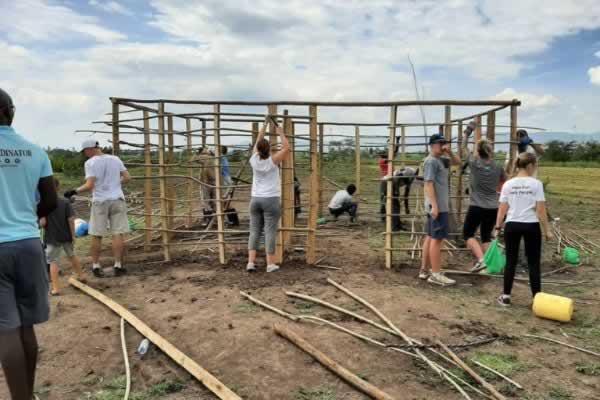
Help build a home for a family in need.
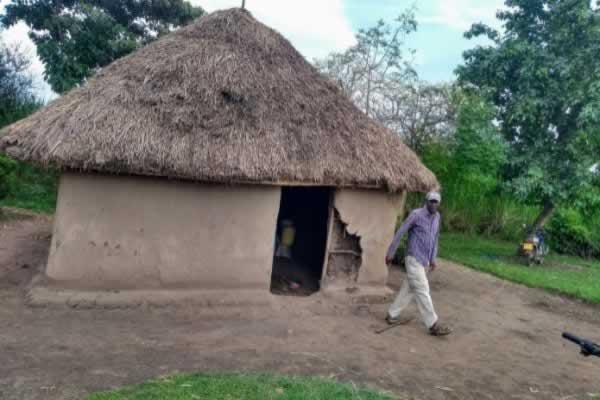
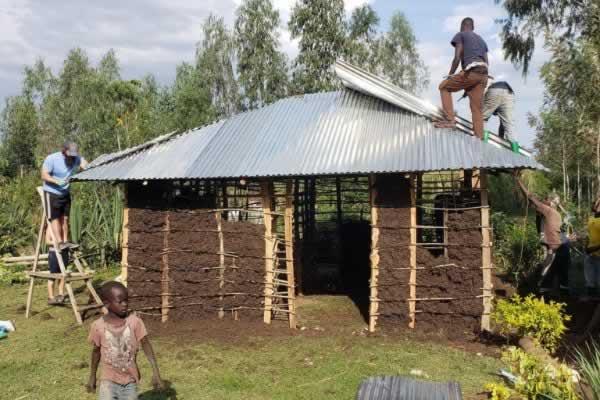
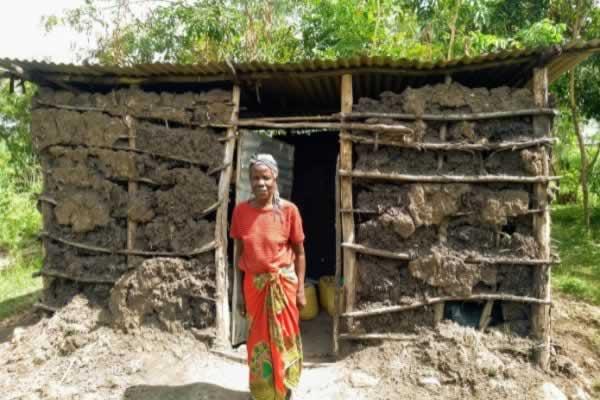
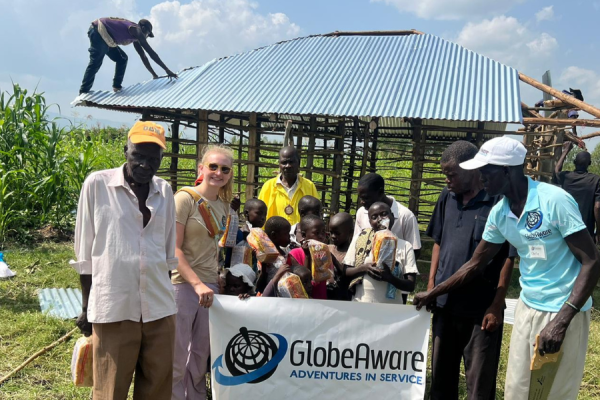
This program is the most popular in our community-based programs. Many families live in huts made of mud (soil) walls and have grass thatched roofs. These weak structures can wear out easily with time, get blown away by winds and leak during the rainy season. Grass thatched huts are also generally single roomed and shared with children as well as a cooking area. Even the privileged families with houses have rusted corrugated iron sheets which often leak.
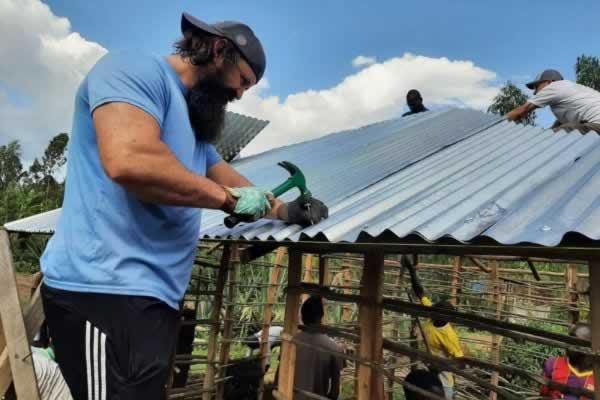
Many families suffer from diseases such as pneumonia, coughs due to cold nights. We work with such families to upgrade them from a grass thatched shelter to iron roofed homes with 3 large rooms comfortable enough to provide a family with a simple privacy. Those with already worn out and eroded iron roofs are also upgraded to the modern type which does not rust nor corrode, even in rainy seasons.
‘Water for Life’
Clean and safe water is nearly impossible to find. Mothers search for it in vain and children gather dirty water when nothing else is available. As they do, hope is lost when inevitable sickness and poverty follow. Working closely with these communities, listening to their needs and providing much-needed water solutions will be a fulfilling experience to a volunteer. Our desire is to see more schools and communities have access to clean and safe water. Borehole drilling is quite scientific, but volunteers are welcome to help with building water ways and lay pipes with concrete to families who need water. They will do this with the help of local plumbers.
School Refurbishing
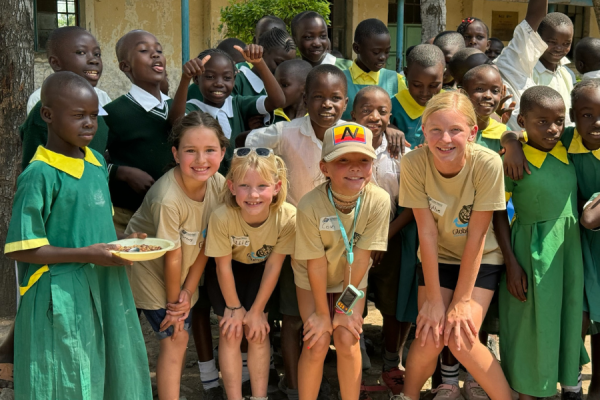
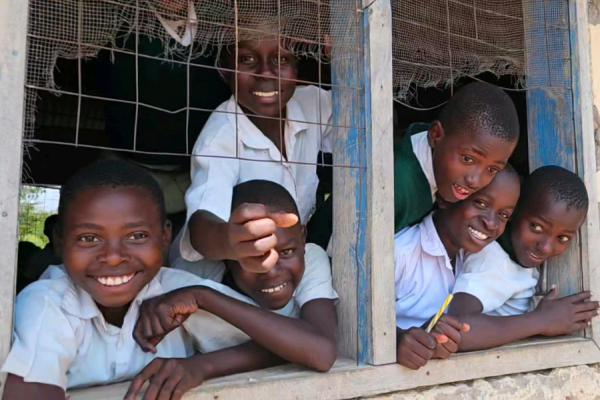
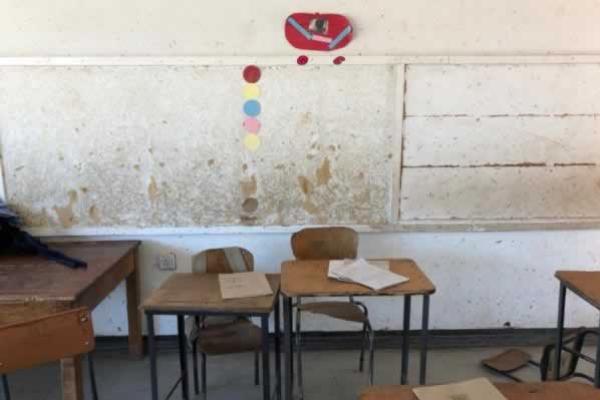
Many schools in our community are in deplorable conditions and they have long been neglected. Children must learn in classrooms with crumbling walls, floors with cracks and stone seats due to lack of desks. Be part of this community and help refurbish such schools and help keep the children safe while in school to enhance their learning atmosphere and chance for a better future.
Projects vary depending on the number of volunteers, which projects were finished (or not) with the prior group, what priorities have changed, weather conditions, which supplies are available, and often the interest and fitness level of the volunteers. For these reasons, specific projects are often not fixed until the week prior to your arrival and can even change upon arrival.
We welcome you to work with us on these meaningful projects!
FOOD AND LODGING
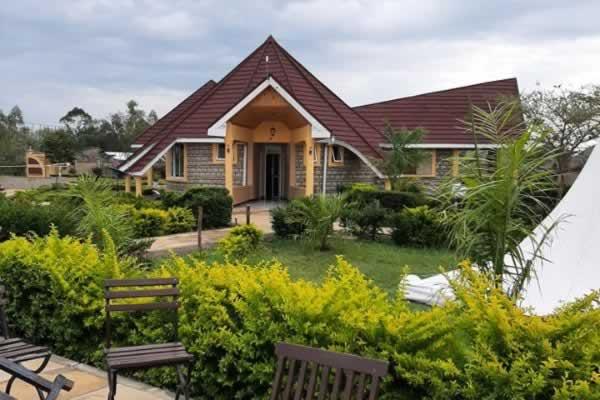
You will be settled together in a lovely renovated guest house with hot running water, flushing toilet and WIFI. Additional services can be arranged.
There are 6 bedrooms with twin beds so two people can stay in one room, and 12 people can stay at any given time. However, with a larger group, accommodation will be arranged at hotels that can accommodate larger groups. Information will be provided in such situations. Hotel rates will remain the same as those of the guest house.
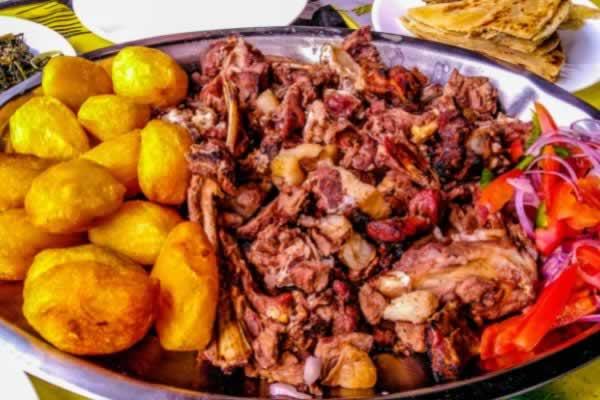
Kenyan food is typically continental and comprises chicken, eggs, pork, beef, vegetables, lentils, and beans and is served with chapati, bread, rice and Ugali. Breakfast and dinner will be served at your accommodations, and lunch will be served at the project site.
LEISURE AND ACTIVITIES
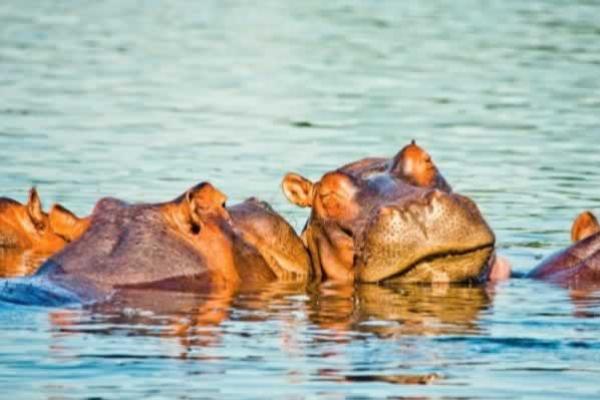
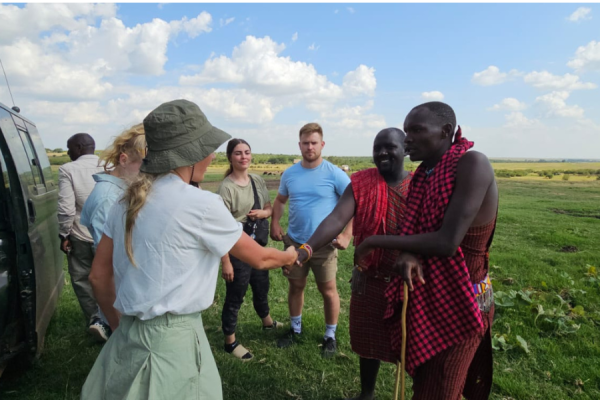
You can enjoy a boat ride around Lake Victoria where you can see hippos swimming, visit the Equator Line, Kisumu Museum, and Impala Sanctuary. Our coordinator will introduce you to the local culture of the Luo tribe as well as invite volunteers to participate in an optional church service. Many volunteers chose to participate in a 2-3-day safari to the expansive Masai Mara Game Reserve known for its famous Wildebeest Migration after the program (paid for separately and at additional cost to a for-profit separate venture). Volunteers are encouraged to take this time off, cool off, and experience what Kenyan nature can provide!
Please inform us ahead of time if you are interested in the safari so we can prepare the necessary arrangements.
Safari to Maasai Mara Game Reserve itinerary - This is an ADD ON OPTIONS: 3 days/2-night Masai Mara Safari, adds $990 per person, not operated by Globe Aware but we can help you book.
The Massai Mara reserve charges $200 per person per day for park fees as of July 1st 2024. These costs have been added to the overall cost of the safari.DAILY ACTIVITIES
Day 1
Arrival and pick up from the airport and check in at the hotel. Depending on the time of arrival, Volunteers will have breakfast in the hotel or have 10:00 am tea/coffee at the site at 10:00 am then proceed to start work.
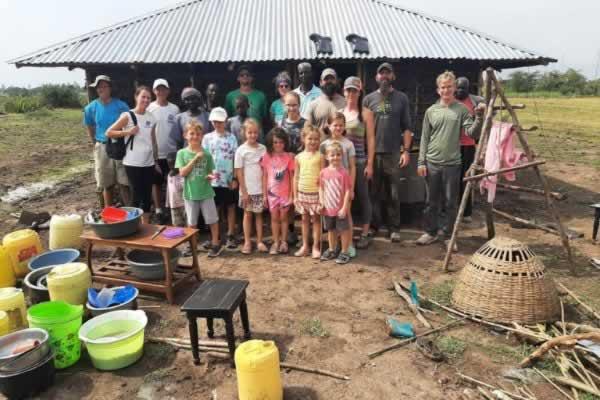
This day we are building a house for a family with very few resources. They are a family of 5.They have three little children who share with them their little grass thatched house. All building materials and local team will already be at the site when the volunteers arrive. Building work starts immediately after the 10:00 am tea/coffee and will be followed by lunch break between 12:30 - 1:30 pm.After lunch we will get back to work and break for the day at around 4.30pm and the house is handed over to the family and just in time to prepare for dinner to be served at 5pm and thereafter drop off to the hotel for the night.
Day 2
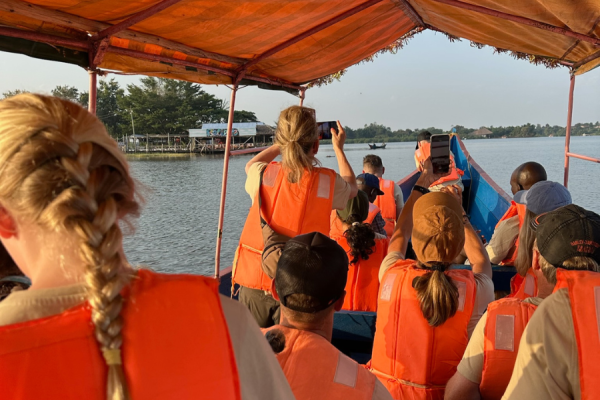
Being a Sunday, it will be free time for the volunteers to have leisure. After breakfast in the hotel, we leave for Kisumu town and arrive at the Dunga beachfront at around 8:30 am to take a boat ride tour of Lake Victoria locating and spotting Hippos that roam the beaches in the morning hours.
The Lake Victoria boat ride will be for 2 hours till 10:30 when we proceed back to the village for our Sunday church service starting at 11:30 am. If there is a minister/pastor/priest among the volunteers then he/she is most welcome to minister/preach the word. At the end of the service, volunteers introduce themselves so the congregation gets to meet them. Lunch will be served between 1:30 - 2:30 pm when we head back to Kisumu to visit Kisumu Museum, arriving there around 3:00 pm. On this day dinner will be at a restaurant in Kisumu followed by a drop-off at the hotel around 6:00 pm for the night.
Day 3
On this day we leave the hotel at 8:30 am after breakfast and head to the site and work starts to build a house for a widow (Mary 50 years old) who lives with her two grandchildren sharing a dilapidated house. This house was built way back in 1992 and has stood the test of time but it’s now old and the iron sheets are rusted and have holes which leak whenever it rains causing their beddings and the floor to be wet even with light rainfall. The local team together with all the building materials will be ready at the site.
At 10:00 am tea/coffee will be served and thereafter volunteers continue with work. Lunch will be ready at 12:30 pm and thereafter we proceed with work with another tea/coffee break at 3:00 pm. This day’s workload finishes around 4.30 pm. The house is handed over to the family. Dinner will be served from 5.00pm and volunteers dropped off at the hotel around 6pm for the night.
Day 4
This will be the toughest days of volunteer activities as we begin to lay down our church slab construction. Currently, it’s a tented church with a congregation of more than 200 people. It’s always very hot sometimes 92 degrees and holding services at times becomes difficult so the plan is to build a new and better church. The church will also serve as a resource center where locals come to find information and free community meals are provided there. Volunteers helping to build this church would be a huge blessing to the congregation as well as to the communities around. They will have a better place to worship and there will also be a dining room, a kitchen, and a computer library where people can come to learn computer skills which are currently being offered only in cities and towns. There will also be two separate bedrooms where families whose houses have been destroyed by floods during heavy rains can stay temporarily before getting a new house. There will also be two bathrooms a laundry area and two adjacent rooms to give shelter to vulnerable children and children living with HIV/Aids. These are children who are orphans, neglected and abandoned.
All building materials and simple tools will already be available at the site. Volunteers should take a lot of precautions to avoid any injuries.
Day 5
- 8:00 am: After breakfast head to the site from where volunteers will be briefed on the tasks they need to do. Volunteers to clear the site of all grass, shrubs, and the like, cart away or burn arisings, dig out the thick top vegetable soil, and spread on site.
- 10:00 am: Tea/coffee break and a little rest.
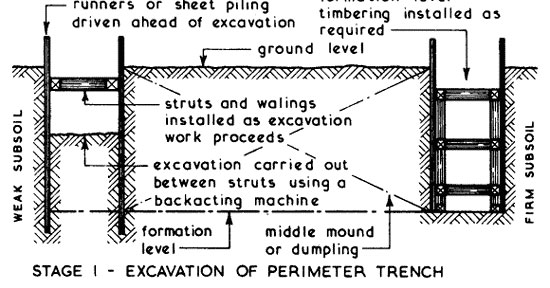
- 10:45 am: Dig normal soil 2 feet deep perimeter foundation trenches starting from the ground level.
- 12:30 pm: Lunch
- 3:00 pm: Tea/coffee break.
- 4:00 pm: Dinner
- 5:00 - 6:00 pm after which volunteers are dropped off at their hotel.
Day 6
- 8:00 am: Depart the hotel after breakfast and head to the site. Volunteers will mix concrete blinding (Insitu) 50mm thick insitu plain concrete grade 15/20mm; mix 1:3:6 in blinding poured on the foundation trenches and column bases.
- 10:00 am: Tea/coffee break and a little rest.
- 10:45 am: Volunteers are guided on using High tensile deformed bars for reinforcement (assorted bars to Strip Footing) to Ditto; but to Column Bases and Ditto; but to columns.
- 12:30 pm: Lunch.
- 3:00 pm: tea/coffee break.
- 3:30 pm: Sawn Formwork work to Vertical sides of strip foundation footing, Ditto; but to column bases, Ditto; but to columns, Horizontal sides/edges of ground floor bed and mix concrete insitu reinforced concrete grade 20/20mm; mix 1:2:4 to be poured on the Strip Foundation, column bases, and Columns.
- 4:00 pm: On the final day, we'd like to dedicate some time to review all the activities accomplished by our volunteers during their time with us and express our sincere gratitude to this wonderful group of volunteers!
- 5:00 pm: Dinner served, and volunteers dropped off at the hotel.
Safari to Maasai Mara Game Reserve
Day 7
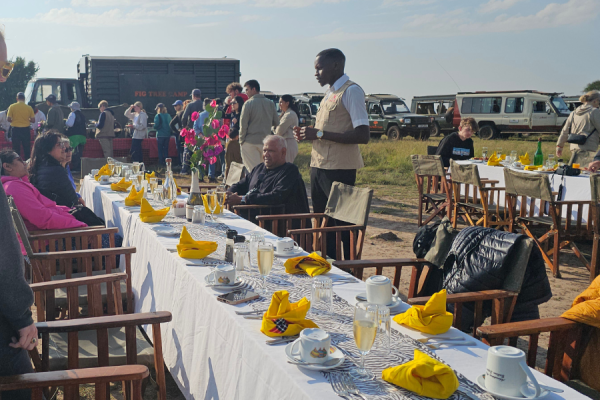
After early breakfast, at around 6:30 am depart Ahero to the famous Maasai Mara and arrive at the Fig Tree Camp in time for lunch around 12pm. Spend your leisure time enjoying more wildlife adventures game drives. Set inside Masai Mara National Reserve, Fig Tree camp blends perfectly with its surrounding landscapes. The accent here is on the Maasai people and the fabulous wealth of wildlife, birdlife, and natural flora to be found in the fabled Masai Mara Game Reserve. Enjoy the game drives and locate the Big Five wild animals. Head back to the camp at around 6pm for dinner and rest.
Day 8
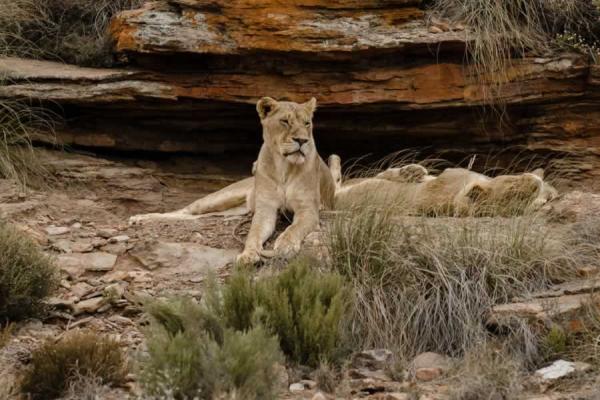
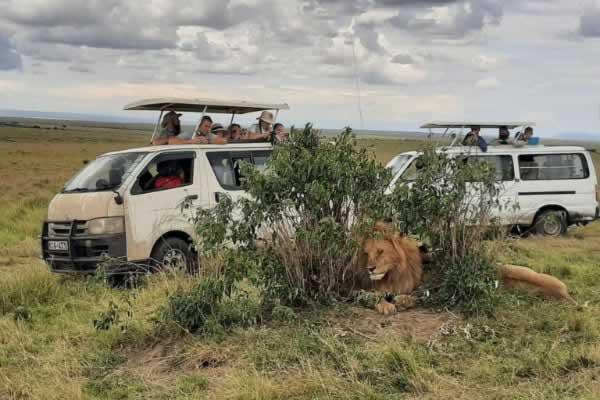
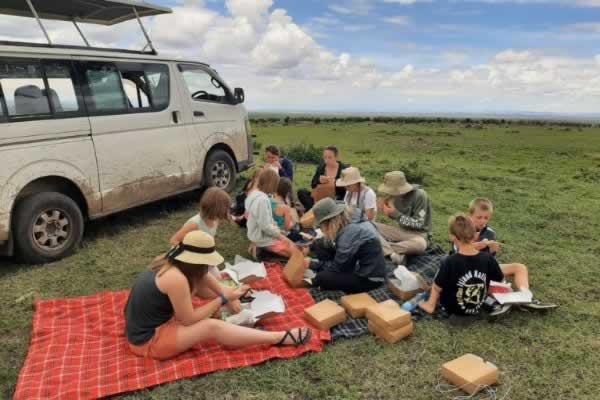
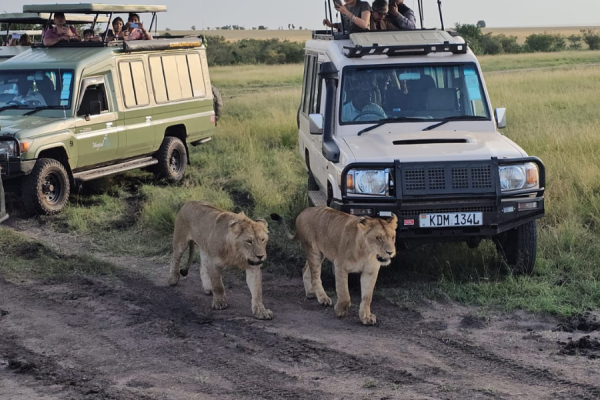
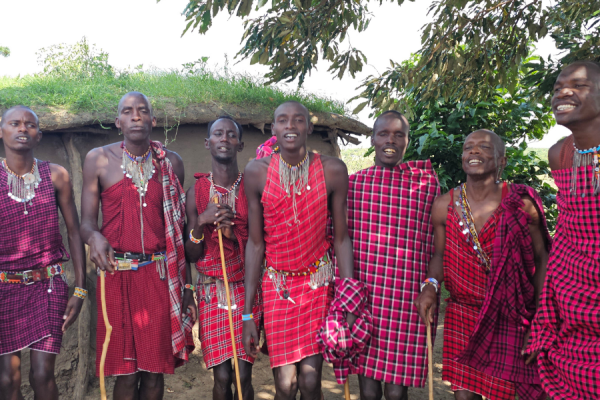
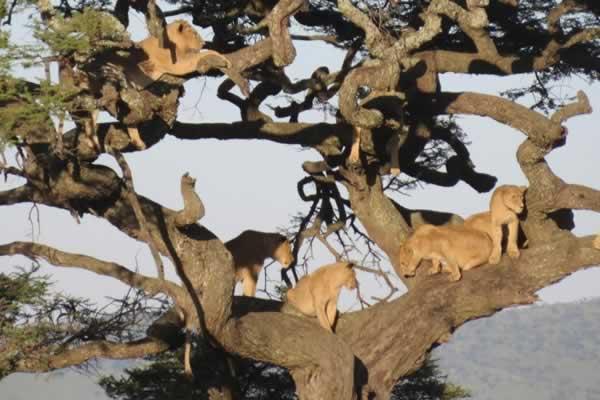
Spend the day in Masai Mara, Kenya’s most popular game reserve where you will have the best opportunity of spotting the Big Five – lion, leopard, buffalo, rhino and elephant, Game drives are flexible, with the option of going out with picnic lunch boxes to spend entire day in the park, or you can choose to have early morning and late afternoon game drives. You will also have the option of visiting a local Masai village (at a cost of US$25 per person charged separately and optional).All animals found in Kenya among the “big five” are found here. The Great Wildebeest Migration is one of the “Seven New Wonders of the World”. Nowhere in the world is there a movement of animals as immense as the wildebeest migration, over two million animals migrate from the Serengeti National Park in Tanzania to the greener pastures of the Masai Mara National Reserve in Kenya during July through to October. The migration has to cross the Mara River in the Masai Mara where crocodiles will prey on them. This is one of the highlights as the animals try and cross the Mara River alive. In the Masai Mara they will be hunted, stalked, and run down by the larger carnivores. The Masai Mara also has one of the largest densities of lions in the world.
Day 9
Being the last morning in Masai Mara, we start with early morning game drives from 6am and thereafter have breakfast at the camp at around 8:30am and then embark on the return journey to Nairobi with lunch en-route arriving around 1600 hours’ time with a drop off to the airport for flights back home.
End of Kenyan stay!
ARRANGING YOUR AIRFARE
There are no direct flights to Kisumu International Airport, so you will have to land in JKIA-Nairobi, then connect and arrive to Kisumu in the morning/afternoon hours. This is perfect for pick-up. We meet the volunteers at the airport passenger arrivals and there we will hold a PAGER with a Globe Aware sign.
All inland transportation will be provided to and from the program activities. It’s about 20 minutes’ drive to the accommodations and depending on the work site, at most 30 minutes from the accommodation. There is pickup and drop off to the airport
Return flights should be from JKIA-Nairobi if you do the Safari to Masai Mara, otherwise, you can book your return flight from Kisumu.
SAFETY AND SECURITY
No vaccinations are required but you can check with your personal doctor. The Aga Khan hospital and the Nairobi Hospital are the private, major hospitals available in Kisumu.
Volunteers are advised to stay together as a team and always consult us in case of any other needs/interests.
-
Treasuring Tanzania
Situated at the African continent's edge, overlooking the Indian Ocean, Tanzania boasts an ideal location blessed with weather and climate that fulfill every desire. Basking in warm and sunlit days, complemented by refreshing and tranquil nights, whether you're embarking on a Serengeti safari or indulging in the tropical splendors of Zanzibar's beaches, the temperatures are consistently pleasant and gentle, creating an inviting atmosphere throughout your journey.
WORK PROJECT
All the projects are situated in KIPAWA Ward, a designated area within Dar Es Salaam, Tanzania. Notably, KIPAWA Ward is not only home to the Dar Es Salaam Airport but also where the accommodations for volunteers are conveniently located.
THE CHILD / DAY CARE RENOVATION VOLUNTEER PROJECT IN TANZANIA
This work project is a unique opportunity to revitalize a Day/Childcare Center located in the Temeke District of Dar Es Salaam, Tanzania. Known as a Junior Daycare, this center has been serving the impoverished community of Temeke for approximately 20 years, providing essential support to children in need. Initially, the center could accommodate up to 100 students simultaneously. However, due to deteriorating infrastructure and outdated facilities, that capacity has dwindled to only 20 students over the years. To restore the Daycare to its former capacity and enhance its facilities, we are launching a renovation project. By undertaking tasks such as painting, plumbing, remodeling, altering building structures and facilities, clearing debris, and erecting scaffolding, we will work towards creating a nurturing environment that can once again accommodate a hundred children at a time.
This endeavor will empower underprivileged children in the surrounding communities by granting them access to essential education and care. The construction site is located 2 kilometers away from the accommodation provided for volunteers.
Depending on resources and group sizes, volunteers may work on similar Childcare & Daycare Renovation projects nearby, assist with a construction of a church, or/and engage in teaching students.
All projects are within a distance of 2 to 4 kilometers from each other. We will provide transportation to and from project site.
FOOD AND ACCOMMODATIONS
Volunteer House: Your accommodation is conveniently located within walking distance of the airport, making it a mere ten-minute stroll. The house features five bedrooms, accommodating up to 12 volunteers simultaneously. Three rooms are furnished with two beds measuring 6 inches by 3 inches each, while the remaining two rooms are equipped with three beds of the same size, allowing for easy sharing among volunteers. Each room is accompanied by its own modern, Western-style bathroom. While hot water for showers may not be guaranteed, it is available on occasion.
Safety is a top priority, as the house is situated within a secure compound enclosed by a wall fence and a large metal gate. A dedicated security guide ensures the safety of the premises. Additionally, there are a cook and a house manager available on-site to ensure volunteers are well-fed and maintain order. Wi-Fi access will be provided exclusively within the volunteer house.
Homestay Accommodation: Life at the homestay is simple yet comfortable, with all our homestays equipped with electricity and running water. Our top priority is the safety and security of our volunteers, and each homestay undergoes thorough inspection and vetting to ensure a secure environment. Some volunteers prefer the authentic experience of living in a homestay, as it allows them to truly immerse themselves in the African volunteering experience.
During your stay, you will receive three daily meals. Breakfasts typically comprise tea (chai), toast, cereal, fruit, and mandazzi (deep-fried dough). Lunches usually consist of a combination of meat, vegetables, rice, sandwiches, and fruit. Dinner brings a taste of traditional cuisine, with dishes like ugali, chapatti, boga, and irio accompanied by meat and vegetables. As part of the provisions, each volunteer will be provided with a 1.6-liter bottle of water per day.
LEISURE ACTIVITIES
In Tanzania, there is an abundance of captivating sights and activities awaiting exploration, and we encourage you to make the most of your time by embarking on safaris and engaging in tours. Flexibility is key, as your itinerary may undergo changes along the way.
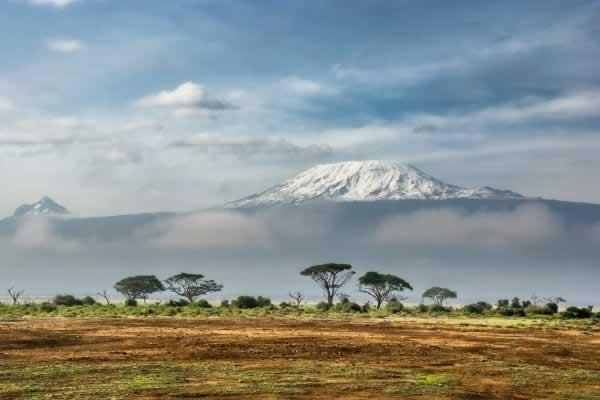
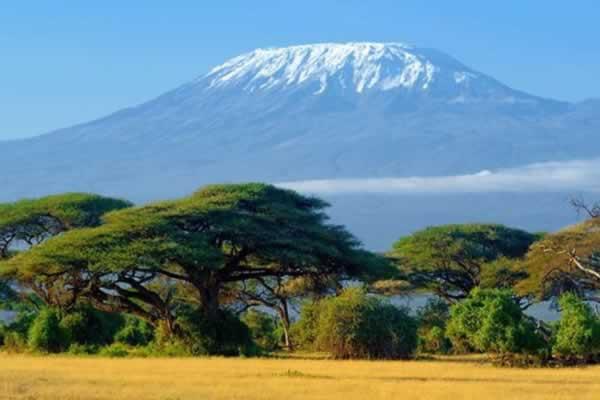
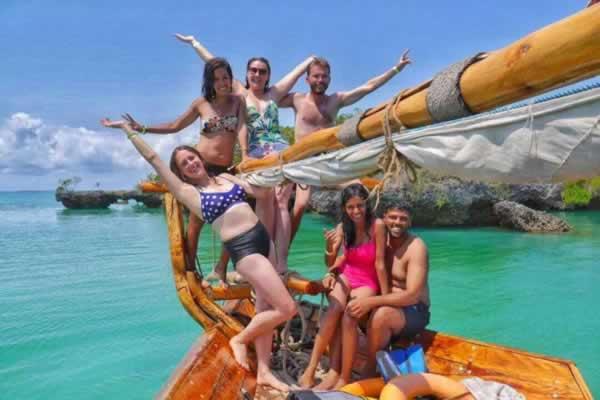
Tanzania boasts renowned national parks and the awe-inspiring Mount Kilimanjaro towering over the Serengeti. Many visitors pass through Dar Es Salaam before embarking on thrilling safaris and immersing themselves in wildlife encounters. For those seeking relaxation and basking in the sun, the alluring beaches of Zanzibar await. Additionally, the enchanting Pemba and Mafia Islands offer a different natural marvel, highly cherished by scuba divers and snorkelers who travel from around the globe to witness the vibrant coral gardens, colorful marine life, and the crystal-clear waters they hold.
BOOKING YOUR FLIGHT
Julius Nyerere International Airport (DAR) in Dar Es Salaam serves as the closest airport. The majority of international flights arrive in Dar Es Salaam during the afternoon, typically between midday and 5 PM.
A visa is required for U.S. citizens traveling to Tanzania.
PICK UP/DROP OFF POINT
We do pick up between midday and 6 PM and drop off volunteers from Dar Es Salaam International Airport or anywhere else within Dar Es Salaam. Project accommodations are very close to Dar es Salaam International Airport.
SAFETY
Tanzania, like any other destination, has its own safety considerations. Overall, Tanzania is considered relatively safe for travelers. However, it's always important to exercise caution and take necessary precautions to ensure your personal safety and well-being.
Some general safety tips for traveling in Tanzania include taking care of your belongings and being mindful of your surroundings, especially in crowded places or tourist areas. Avoid displaying valuable items openly and be cautious of petty theft.
Yellow fever vaccination is required for all travelers arriving from, or having transited through, countries where yellow fever is endemic. Direct arrivals from non-endemic countries, including all countries in Europe and North America, are usually not required to show a yellow fever vaccination certificate. The CDC notes there are reports that unless a traveler has a medical exemption letter from a physician, some immigration officials require evidence of the vaccine for entry in Tanzania - particularly entry via Zanzibar - from all travelers. Travelers with neither the shot nor an exemption letter are usually allowed entry and directed to a health officer to obtain the vaccine.
-
Zimbabwe
PLEASE NOTE: MINIMUM TWO PERSON REGISTRATION
The Victoria Falls area in Zimbabwe is more than just a world-famous waterfall; it’s a vibrant region rich in culture, wildlife, and adventure. Nestled along the Zambezi River, it's a lively hub where visitors can explore local markets, enjoy traditional cuisine, and experience warm Zimbabwean hospitality. The surrounding national parks are home to elephants, buffalo, and diverse birdlife, making it a prime spot for safaris and river cruises. With a mix of natural beauty, community life, and outdoor activities, the region offers an unforgettable gateway to southern Africa.
Work Projects
Innovative work project initiatives include installing Black Soldier Fly larvae systems to create sustainable feed for poultry and fish, and helping build simple household bio-gas systems that provide renewable energy. This hands-on program allows participants to make a tangible impact while engaging deeply with the local community and environment. We will also be working on school and village toilet facilities, small household bio-gas units, production and installation of small chili-blocks in quantity to deter wildlife from raiding crops, refurbishment of clinics and classrooms, and teaching and sports coaching.
Leisure Activities
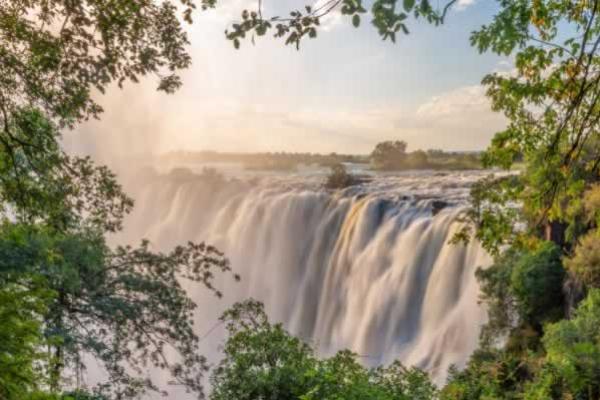
Game Drives and Game Walks in the National Park are available daily with armed Rangers, visit magnificent Victoria Falls -LEARN MORE – world's largest waterfall, Water Rafting on River Zambezi, Bungee Jump, Sunset Cruise on River Zambezi
Accommodations
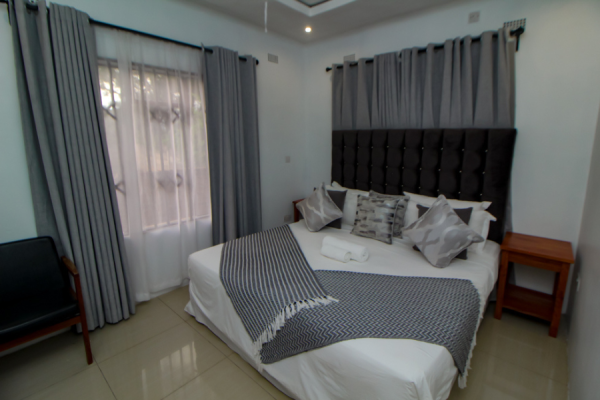
Volunteer House – Bedrooms accommodate 2, 4, or 6 people, with some en-suites and some shared bathrooms. Facilities include a cable TV lounge, internet access, a separate dining area, and a grassed lawn.
Guest House Upgrade – within walking distance of the town centre, shops, and restaurants; ensuite bathrooms; cable TV; Wi-Fi; a communal lounge; a lawned garden with BBQ facilities; and a shared kitchen.
Arrival and Meetup
If you arrive and depart through Victoria Falls Airport (Zimbabwe), we recommend obtaining a single-entry visa. However, if you plan to visit the Zambian side as well, you should get a double-entry visa upon arrival.
If you arrive and depart through Livingstone Airport (Zambia), you can obtain a single-entry visa when you cross over the bridge into Zimbabwe. This bridge offers views of the Falls on the Zambian side, through the river gorge.
Victoria Falls serves as the primary airport for this program, but Livingstone in Zambia is also a viable option, located just 30 miles away.
Zimbabwe Video Gallery